How to Choose the Best Green Matcha Powder?
Choosing the best Green Matcha Powder requires more than judging its vivid color. The market is expanding quickly, but quality standards remain uneven. Mordor Intelligence estimates that the global matcha market will continue growing strongly through 2029, while Allied Market Research also reports double-digit growth projections. These forecasts are useful, yet they are not identical. That difference deserves attention.
Japan’s Ministry of Agriculture, Forestry and Fisheries reports national tea production data, although it does not always separate ceremonial matcha from other tea categories. This limitation matters. A product labeled “Japanese matcha” may still vary by region, cultivar, harvest timing, and processing method. Look for clear origin details, shading practices, stone milling, and a recent harvest date. Traceability is evidence.
Color can mislead.
A reliable Green Matcha Powder should appear vibrant green, not dull olive or dusty brown. Its aroma should suggest fresh grass, young peas, or mild seaweed. The texture should feel extremely fine between your fingers. In a bowl, quality powder suspends smoothly instead of forming stubborn clumps. Still, appearance alone cannot confirm purity. A recent report from the European Food Safety Authority highlights the importance of assessing caffeine exposure across all dietary sources. Therefore, serving size and laboratory testing deserve equal consideration.
Check for independent testing, pesticide screening, heavy-metal results, and a certificate of analysis when available. Organic certification can support confidence, but it does not automatically guarantee superior flavor. I sometimes think shoppers expect one perfect label to answer everything. It cannot. Compare evidence, taste carefully, and accept that freshness may matter more than fashionable packaging.
What Is Green Matcha Powder and How Is It Made?
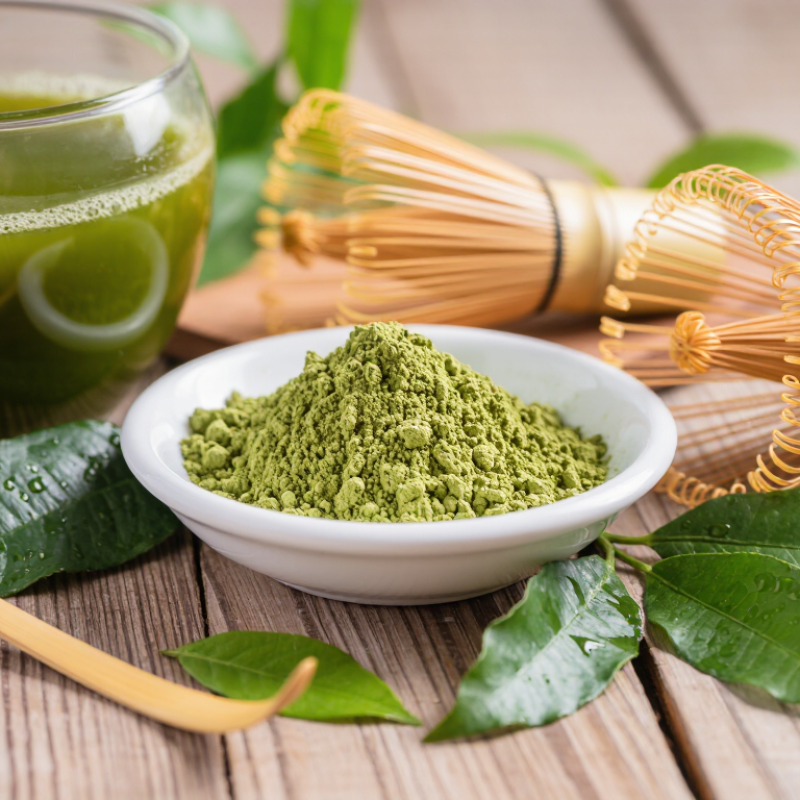
Green matcha powder is finely ground tea made from specially grown Camellia sinensis leaves. Unlike ordinary green tea, you consume the whole leaf suspended in water. Farmers often shade the plants for several weeks before harvest. Shade reduces direct sunlight and may create a tender texture and savory flavor. Workers pick young leaves, steam them briefly, and dry them carefully. After removing stems and veins, the leaf material is called tencha. Stone mills then grind tencha slowly into vivid green powder. The process is gentle, but it is not effortless.
When choosing matcha, look for a bright green color, an exceptionally fine texture, and a fresh grassy aroma. Dull brown color may suggest age, heat exposure, or poor storage, although color alone proves little. I check the harvest information, growing region, ingredient list, and credible third-party testing when available. Only one ingredient should appear: matcha. Packaging matters too. An opaque, airtight container protects the powder from light, air, and moisture. After opening, I use a small sieve to remove clumps before whisking it with warm water. Never boiling water. Some powders taste creamy, while others taste sharply bitter. This difference can reflect cultivar, harvest timing, processing, and water temperature. I once blamed a powder for bitterness, then realized my water was nearly boiling. That mistake changed my buying habits. Now I taste a small serving before purchasing a larger quantity.
Which Quality Factors Define the Best Green Matcha Powder?
How to Choose the Best Green Matcha Powder?
Which Quality Factors Define the Best Green Matcha Powder?
The best green matcha powder begins with carefully grown tea leaves. Shade-grown leaves usually develop a vivid green color and a smoother taste. However, color alone cannot prove quality. Some powders look bright because of processing or storage conditions.
Look for a fine, silky texture. When rubbed between your fingers, good matcha should feel soft rather than gritty. Its aroma should suggest fresh grass, young spinach, or mild sweetness. A harsh smell may indicate age or poor storage. The flavor should taste balanced, with gentle bitterness and a lingering savory note.
My experience says that a little bitterness is normal. Too much bitterness is not automatically a defect, though. Personal preference matters more than online rankings.
Harvest timing Harvest timing also influences quality. Younger leaves often produce a softer texture and cleaner flavor.
Producer information Reliable producers should provide clear information about origin, harvest practices, and testing.
Independent testing can help confirm purity and check for unwanted contaminants. Still, certificates do not replace careful sensory evaluation.
Check the package for an airtight seal, a production date, and storage guidance. Matcha loses freshness when exposed to heat, light, air, or moisture.
After opening, I keep it sealed in a cool, dark cupboard. Refrigeration can help, but condensation may damage the powder.
My own mistake was leaving an opened pouch near a sunny window. The color faded quickly, and the aroma became flat.
