What is HPMC and its Uses in Various Industries?
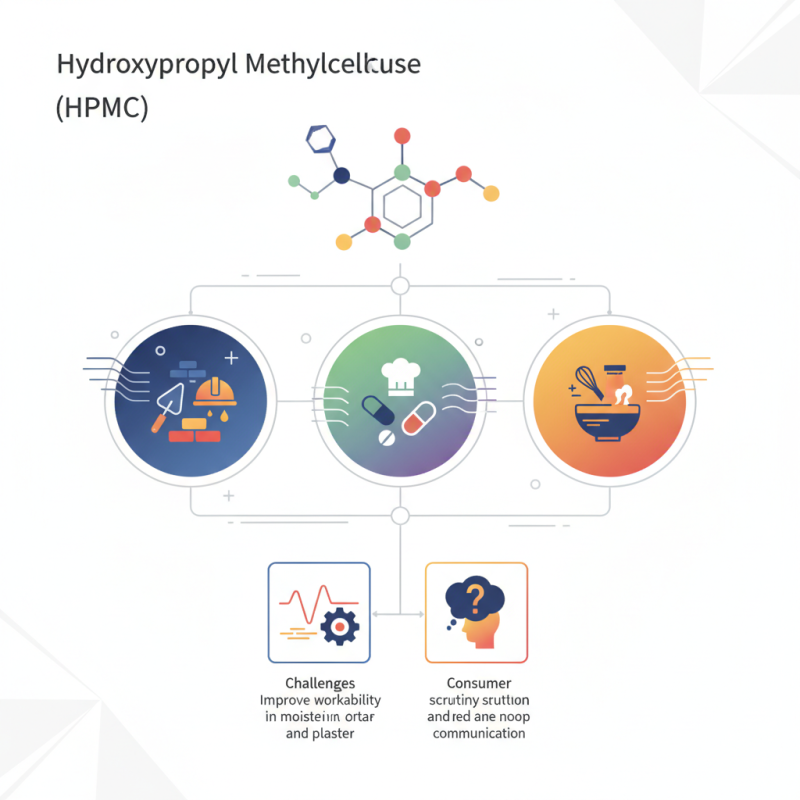
Hydroxypropyl Methylcellulose (HPMC) is a versatile polymer widely used across various industries. This compound plays a crucial role in construction, pharmaceuticals, and food industries. In the construction sector, HPMC acts as a thickening agent and improves the workability of mortars and plasters. Similarly, in pharmaceuticals, it serves as an excipient in tablets and as a coating agent.
HPMC is not just a simple additive; it enhances product performance. Its ability to retain moisture is essential in many applications. However, there are challenges related to its use. Sometimes the viscosity may not meet the required standards. Understanding these issues is vital for manufacturers to ensure product quality.
In the food industry, HPMC provides a desirable texture in food products. Yet, the perception of food additives like HPMC can vary among consumers. Some may question its safety. This reflects a need for better communication and understanding. Overall, HPMC remains a key component in various sectors, adapting to specific needs and facing scrutiny along the way.
What is HPMC: Definition and Composition
HPMC, or Hydroxypropyl Methylcellulose, is a versatile compound. Its composition includes cellulose, a biopolymer derived from plant materials. The chemical modification process adds hydroxypropyl and methyl groups to the cellulose structure, enhancing its solubility and functionality in various applications.
In the construction industry, HPMC serves as a thickening agent in mortars and adhesives. It improves workability and water retention, crucial for optimal performance. In the pharmaceutical sector, this compound acts as a binder and film-forming agent in tablet formulations. It aids in controlled release, ensuring medication effectiveness. HPMC is also used as an emulsifier in food products, helping maintain a stable texture and prevent separation.
Despite its many uses, HPMC has limitations. Variations in quality can impact performance. Not all grades are suitable for every application. Additionally, understanding the correct ratios and combinations can be challenging. This complexity invites ongoing research and experimentation to maximize its benefits across industries.
Historical Development and Discovery of HPMC
Hydroxypropyl methylcellulose (HPMC) has a rich history. It was first synthesized in the early 20th century, in the pursuit of finding effective cellulose derivatives. Researchers discovered that modifying cellulose with hydroxypropyl and methyl groups enhanced its solubility and versatility. This breakthrough opened doors for HPMC in various sectors, especially in pharmaceuticals and construction.
By the 1960s, HPMC gained popularity in the food industry as a thickening agent. Reports indicate that by 1975, its usage in food applications had increased by over 50%. Today, it is essential for producing gluten-free products. Committed efforts to improve HPMC's properties have led to innovations, yet challenges remain. For instance, achieving optimal viscosity can be difficult in some formulations.
The construction industry has also embraced HPMC. Used in tile adhesives and plaster, it boosts workability and extends open time. Research shows that over 70% of construction professionals recognize HPMC's benefits. However, ensuring consistent quality poses a dilemma amid rising demand. The learning curve continues as industries strive to optimize HPMC's characteristics.
Key Properties and Characteristics of HPMC
Hydroxypropyl Methylcellulose (HPMC) is a versatile polymer. It has unique properties that make it suitable for various applications. HPMC is hygroscopic, meaning it can absorb moisture. This characteristic helps maintain the stability of products. It’s also biodegradable, which appeals to many industries focused on sustainability.
One of the key properties of HPMC is its film-forming ability. This allows it to create a protective layer over surfaces. In construction, it enhances bonding. In food, it can act as a thickening agent, improving texture. HPMC is non-ionic. This means it does not interact with ionic substances, making it stable in various conditions.
While HPMC is beneficial, some users may struggle with its solubility. It doesn’t dissolve easily in cold water. This can lead to inconsistent results in formulations. Additionally, the viscosity of HPMC solutions can vary. This variability requires careful testing and adjustment in applications. Understanding these potential challenges is essential for effective use.
What is HPMC and its Uses in Various Industries? - Key Properties and Characteristics of HPMC
| Property/Characteristic | Description | Uses in Industries |
| Chemical Formula | C56H100O24 | Construction, Food, Pharmaceuticals |
| Solubility | Soluble in water and organic solvents | Cosmetics, Paints |
| Viscosity | Varies with concentration and temperature | Pharmaceuticals, Adhesives |
| Thickening Agent | Enhances viscosity in solutions | Food, Cosmetics |
| Gelling Agent | Forms gels in mixtures | Food Products, Pharmaceuticals |
| Stability | Stable under normal conditions | Construction, Personal Care |
Common Applications of HPMC in Pharmaceuticals
Hydroxypropyl methylcellulose (HPMC) is a versatile polymer with numerous applications in the pharmaceutical industry. This compound acts as a binder, thickener, and film-former, making it invaluable in various drug formulations. According to a recent report from Research and Markets, the global HPMC market in pharmaceuticals is expected to reach nearly $2 billion by 2025, driven by its increasing use in controlled-release formulations.
In tableting, HPMC is used to improve the integrity and stability of tablets. Its excellent binding properties ensure that tablets maintain their shapes during production and storage. Interestingly, over 40% of all solid dosage forms include HPMC, as noted in industry analyses. Additionally, HPMC serves as a crucial component in the development of ophthalmic solutions. It provides moisture retention and lubrication, enhancing drug delivery to the eye.
Despite its advantages, there are challenges in HPMC applications. Variability in polymer characteristics can affect drug release profiles. Some researchers have highlighted the need for better characterization of HPMC grades to optimize formulations further. As industries continue to explore HPMC's potential, ongoing evaluation of its properties will be critical for advancing pharmaceutical innovations.
Role of HPMC in Food Industry and Cosmetics
Hydroxypropyl methylcellulose (HPMC) plays a crucial role in various industries, particularly in food and cosmetics. In food, HPMC is used as a thickening agent. It stabilizes emulsions, providing a smooth texture to sauces and dressings. This compound can improve the mouthfeel of low-fat products, enhancing taste without adding calories. Many enjoy this lightness, but some may find it lacking richness.
In cosmetics, HPMC acts as a binder and film-former. It helps in creating a consistent texture in lotions and creams. Additionally, it is used to produce gel products with desirable viscosity. However, there can be challenges with formulation stability. Some formulations may not hold well over time, leading to inconsistency. Manufacturers must be vigilant in their processes.
Using HPMC comes with benefits, yet there are areas needing improvement. Striking the perfect balance between functionality and sensory experience is key. Insightful experimentation can lead to better results in both food and cosmetics. As industries continue to evolve, the potential of HPMC remains vast, waiting to be explored further.