| Definition | Alpha-arbutin is a naturally occurring hydroquinone β-D-glucopyranoside and a glycosylated phenolic compound. | The alpha configuration should be clearly distinguished from beta-arbutin because the two forms differ in molecular configuration and physical properties. |
| Common Natural Sources | Arbutin-related compounds occur in several Ericaceae plants, including bearberry leaves. Similar phenolic glycosides may also be found in selected fruits and medicinal plants. | The declared botanical source, plant part, extraction solvent, and traceability records should be reviewed together. |
| Chemical Name | 4-Hydroxyphenyl α-D-glucopyranoside; hydroquinone O-α-D-glucopyranoside. | The chemical name should correspond with the identity confirmed by an analytical reference standard. |
| Molecular Formula | C12H16O7 | Formula verification supports identity testing and helps detect substitution with unrelated brightening ingredients. |
| Molecular Weight | 272.25 g/mol | The stated molecular weight is for anhydrous alpha-arbutin. |
| CAS Registry Number | 84380-01-8 | The CAS number should be checked against the product specification and certificate of analysis. |
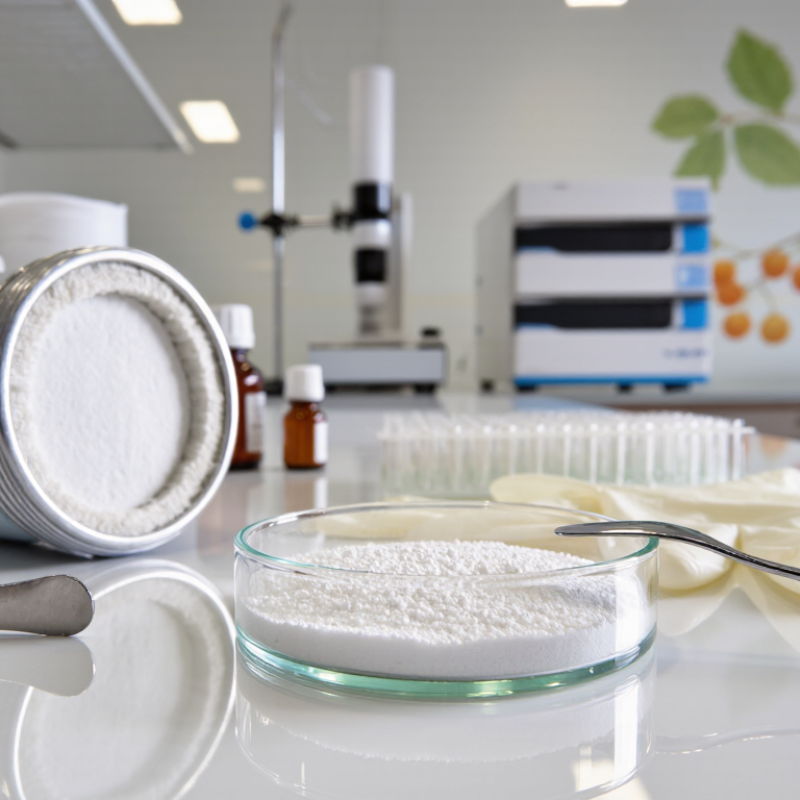
| Physical Appearance | Typically a white to off-white crystalline powder. | Color, odor, particle size, and visible foreign matter should be assessed against an agreed specification. |
| Solubility | Generally soluble in water and more soluble in warm water; solubility can vary with temperature, purity, and formulation conditions. | A standardized solubility test is useful when designing serums, creams, lotions, or aqueous concentrates. |
| Functional Profile | Used in cosmetic formulations as a skin-conditioning and skin-tone-evening ingredient associated with the regulation of melanin formation pathways. | Cosmetic claims should be supported by applicable safety, efficacy, and regulatory documentation rather than by ingredient identity alone. |
| Purity Testing | High-purity material is commonly evaluated by HPLC or another validated chromatographic method. | The test method, reference standard, assay result, related substances, and water content should be listed on the certificate of analysis. |
| Contaminant Controls | Relevant controls may include heavy metals, microbial limits, pesticides, residual solvents, and aflatoxins, depending on the source and intended use. | Acceptance limits should follow the destination market, product category, and applicable cosmetic or food-supplement requirements. |
| Stability Factors | Moisture, heat, light, oxygen, pH, and incompatible formulation ingredients may affect long-term stability. | Opaque, well-sealed packaging and controlled storage conditions can help reduce degradation during handling and storage. |
| Documentation for Supplier Evaluation | Typical documents include the specification sheet, certificate of analysis, safety data sheet, allergen statement, non-GMO statement, origin declaration, and batch traceability records. | Documentation should be batch-specific where applicable and should match the declared natural source and manufacturing process. |