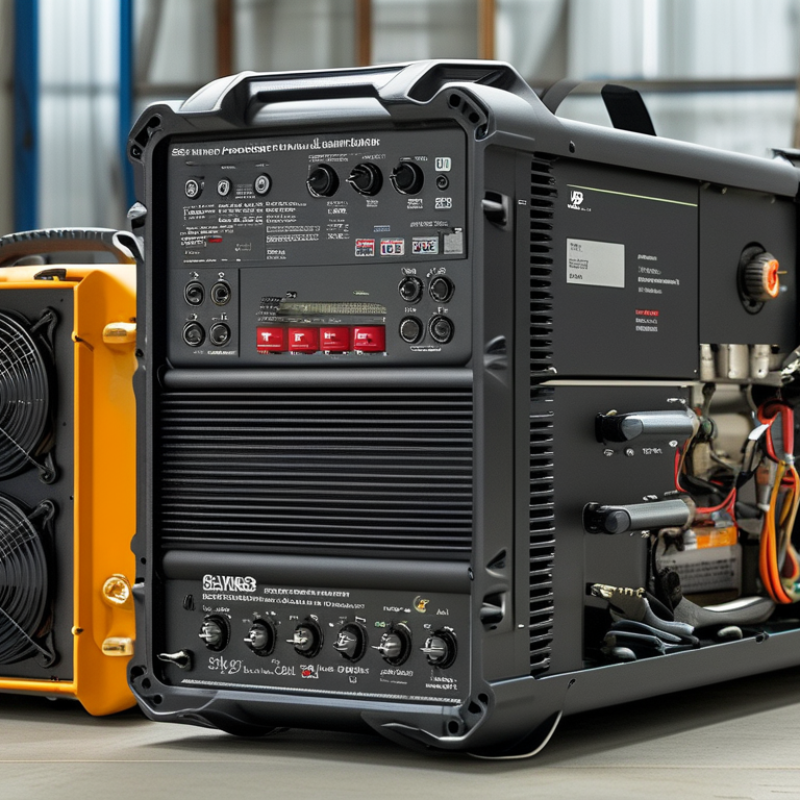
| Compact automotive inverter | 12 V DC nominal
Approximately 10.5–15 V DC operating range | 100–120 V AC or 220–240 V AC | 150–600 W | Approximately 85–92% | Pure sine wave; typically below 5% THD when properly loaded | 50 or 60 Hz | DC filtering → high-frequency switching → transformer or voltage-boost stage → SPWM output filter | Small medical equipment, laptops, chargers, televisions, cameras and sensitive consumer electronics |
| Residential battery inverter | 12, 24 or 48 V DC nominal | 100–120 V AC or 220–240 V AC | 1,000–3,000 W | Approximately 90–95% | Pure sine wave; commonly designed for ≤3–5% THD | 50 or 60 Hz | Input regulation → DC bus conversion → insulated-gate bipolar transistor or MOSFET bridge → LC filtering | Home backup systems, refrigerators, pumps, office equipment and off-grid cabins |
| Off-grid solar inverter | 12, 24 or 48 V battery systems; higher-voltage PV input may be included | 100–120 V AC or 220–240 V AC | 2,000–6,000 W | Approximately 90–96% | Pure sine wave; typically ≤3% THD for sensitive loads | 50 or 60 Hz | Solar charge controller and battery DC → DC-link regulation → inverter bridge → sine-wave filter | Solar homes, remote telecommunications sites, agricultural equipment and rural electrification |
| High-power off-grid inverter | 24 or 48 V DC nominal; some systems use higher-voltage battery banks | 120 V, 230 V or split-phase AC, depending on configuration | 5,000–12,000 W | Approximately 92–97% | Pure sine wave; generally engineered for ≤3% THD | 50 or 60 Hz | Multiple parallel switching stages → regulated DC bus → full-bridge output stage → low-pass filtering | Large residences, workshops, water pumps, HVAC equipment and small commercial sites |
| UPS pure sine wave inverter | 12, 24, 36 or 48 V DC battery bus; larger UPS units use higher DC voltages | 100–120 V AC or 220–240 V AC | 600 VA–10 kVA | Approximately 88–96% in battery mode | Pure sine wave; often ≤3% THD for linear loads | 50 or 60 Hz | Rectifier and charger → battery DC bus → inverter bridge → output filter; automatic transfer or online double conversion may be used | Servers, networking equipment, laboratory instruments, medical electronics and data-storage systems |
| Marine and recreational-vehicle inverter | 12 or 24 V DC nominal | 100–120 V AC or 220–240 V AC | 1,000–3,000 W | Approximately 88–94% | Pure sine wave; commonly ≤5% THD | 50 or 60 Hz | Battery protection → DC-DC conversion → high-frequency switching bridge → output voltage filtering | Boats, recreational vehicles, mobile offices, navigation systems and onboard appliances |
| Telecommunications DC-AC inverter | 24 or 48 V DC nominal | 110–120 V AC or 220–230 V AC | 500–3,000 W | Approximately 90–95% | Pure sine wave; normally specified according to the connected equipment’s THD limit | 50 or 60 Hz | Low-voltage DC bus → synchronized switching modules → voltage transformation → sine-wave output filter | Radio sites, network shelters, emergency communications and remote monitoring stations |
| Three-phase industrial inverter | 48 V DC or higher battery-bank voltage | 208, 380, 400, 415 or 480 V AC three-phase, depending on system design | 10–100 kW or more | Approximately 94–98% | Low-distortion sine wave; harmonic performance depends on filtering and load conditions | 50 or 60 Hz | High-voltage DC link → three-phase switching bridge → PWM control → output reactor or LCL filter | Industrial machinery, microgrids, commercial buildings, pumps and distributed-energy systems |