What is Pu Foam Filler and How Can It Benefit Your Projects?
Pu Foam Filler is a versatile material widely used in construction and DIY projects. Its composition allows it to expand and fill gaps effectively. This makes it ideal for insulation, soundproofing, and sealing. Many professionals appreciate the ease of application that comes with Pu Foam Filler. Homeowners can also benefit from its user-friendly nature.
Using Pu Foam Filler can enhance the performance of your projects. It prevents air leaks, improving energy efficiency. This is crucial for maintaining comfortable indoor temperatures and reducing energy costs. Its moisture resistance adds a layer of protection against mold and mildew. However, some users may find it tricky to control the expansion rate, leading to potential mess.
Despite these challenges, the advantages often outweigh them. The durability and excellent bonding capabilities of Pu Foam Filler make it a reliable choice. With careful application, you can achieve clean and professional results. As you consider your next project, remember that Pu Foam Filler can play an essential role in its success.
What is Polyurethane Foam Filler?
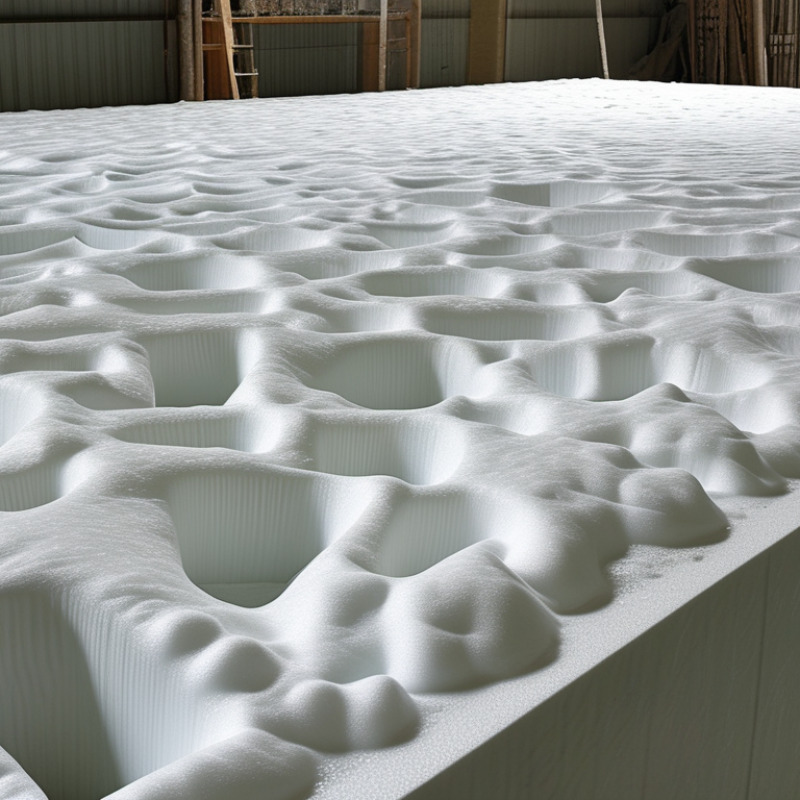
Polyurethane foam filler is a versatile product commonly used in construction and DIY projects. Its unique properties make it an excellent choice for sealing gaps and providing insulation. Made from two primary chemicals, it expands upon application, helping to fill even the tiniest spaces. This expansion allows it to conform to irregular surfaces, ensuring a solid seal. It provides thermal insulation and soundproofing benefits, making it a valuable addition to any project.
Tips: Always wear protective gear when applying this filler. The chemicals can be harmful if inhaled or contacted with skin.
Using polyurethane foam filler can help save energy costs. By sealing drafts, you maintain a consistent temperature indoors. However, it’s essential to remember that this filler can be messy. Clean up any spills immediately, as it can cure quickly and be challenging to remove.
Another point to consider is that the filler can degrade if exposed to UV light. Use caution when applying it outdoors, and consider protective coatings if necessary. The application process can also be tricky for beginners, so practice on scrap materials first.
Key Properties of Pu Foam Filler
Polyurethane (PU) foam filler is a versatile material that offers key benefits for various projects. Its primary property is insulation. This foam prevents heat loss, making buildings energy efficient. By filling gaps, it enhances thermal performance. Additionally, its sound-dampening qualities contribute to a quieter environment. Reducing noise pollution can significantly improve quality of life at home and work.
Another important characteristic is flexibility. PU foam can conform to irregular shapes and sizes. This adaptability makes it a favorite for both construction and automotive applications. However, achieving the perfect application can be challenging. Improper mixing or environmental conditions may affect its performance. It's vital to follow guidelines carefully to avoid mistakes.
Stability is another crucial aspect. PU foam is resistant to moisture, fungi, and pests. It maintains its properties over time, ensuring lasting benefits. Still, it’s important to consider its lifespan in your project planning. Understanding these properties helps in making informed decisions. Embracing imperfections in the process can lead to better results in future projects.
Applications of Pu Foam Filler in Various Projects
Pu foam filler is a versatile material used in various construction and repair projects. It is often chosen for its excellent sealing properties and ease of application. In residential projects, for example, pu foam can effectively insulate gaps around windows and doors, preventing drafts. Many DIY enthusiasts have found that this foam expands to fill spaces, offering a high level of insulation and moisture resistance. This characteristic makes it ideal for sealing cracks in walls and ceilings.
In commercial and industrial settings, pu foam filler plays a crucial role as well. It can be utilized in pipe insulation, ensuring energy efficiency. The foam's soundproofing qualities are also notable. Many builders appreciate its capacity to reduce noise levels in busy environments. However, some professionals warn about the challenge of excess foam. Once applied, it can be difficult to control the amount that expands, sometimes leading to messy applications that require careful trimming later.
For automotive repairs, using pu foam helps fill voids in bodywork, providing structural integrity. Craftspeople often utilize it in creative projects as well, enhancing both form and function. Despite its many benefits, users must be cautious. Proper ventilation is essential during usage to avoid inhalation of harmful chemicals. Building familiarity with the application method often leads to better results. Each project offers a chance to reflect on techniques and improve the final outcome.
Application Areas of PU Foam Filler in Various Projects
Advantages of Using Pu Foam Filler
Pu foam filler is increasingly recognized for its versatility and effectiveness in various projects. This material boasts outstanding insulation properties, significantly enhancing energy efficiency. According to industry reports, buildings insulated with polyurethane foam can achieve up to a 30% reduction in energy costs. This efficiency reduces both heating and cooling needs, making it an attractive choice for homeowners and builders alike.
The application of pu foam filler is not limited to insulation. Its ability to expand and fill gaps makes it ideal for soundproofing and air sealing. A recent survey showed that over 60% of contractors favor pu foam for sealing irregular spaces due to its superior adhesion. This reduces drafts and vibrations, resulting in quieter interiors. Its moisture resistance prevents mold growth as well, contributing to healthier living environments.
Tips: When using pu foam filler, ensure proper surface preparation. Clean and dry surfaces enhance adhesion and performance. Apply evenly and avoid overfilling to maintain a neat finish. Proper ventilation during application is key to safety and effectiveness.
What is Pu Foam Filler and How Can It Benefit Your Projects? - Advantages of Using Pu Foam Filler
| Feature | Description | Benefit |
| Insulation | PU foam provides excellent thermal insulation properties | Reduces energy costs by maintaining temperature |
| Flexibility | Easily shaped to fit various project requirements | Versatile for different applications |
| Soundproofing | Helps in reducing noise transmission | Creates quieter environments |
| Moisture Resistance | Resistant to moisture and humidity | Prevents mold and decay |
| Application Speed | Quick to apply and cure | Saves time on projects |
| Cost-Effectiveness | Affordable compared to comparable insulation materials | Provides great value for money |
Installation Tips for Effective Use of Pu Foam Filler
When installing PU foam filler, attention to detail is crucial. This material expands and adheres to surfaces, filling gaps effectively. A recent industry report suggests that improper application can lead to over-expansion, causing damage. Make sure to choose the right nozzle for precision during installation. The right angle can help direct the foam where you need it most.
Temperature plays an important role in the effectiveness of PU foam. The ideal range is between 60°F to 100°F. If it’s too cold, the foam might not cure properly. If indoors, maintaining temperature can be easier. Outdoor projects can be trickier, especially in winter. Contractors often recommend using a heat gun for curing in cooler conditions.
Always wear protective gear. This prevents skin contact, which can be harmful. Despite its many uses, PU foam can create a mess if not applied carefully. If overspray occurs, be prepared to clean it quickly. Regular maintenance checks ensure the filler is intact and performing as expected. Over time, check for any signs of deterioration or gaps that may need addressing.