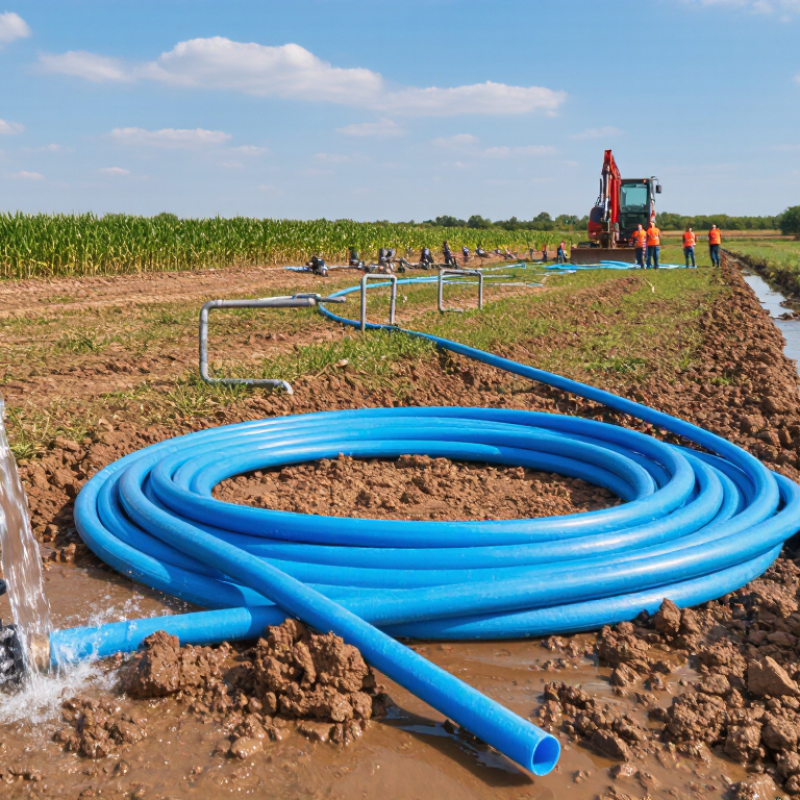
PVC layflat hose offers practical benefits when water needs to move across fields, worksites, or temporary drainage points. Its flat profile makes storage easier than rigid pipe, and a coil can fit beside a pump in a service vehicle. When filled, the hose expands to carry water; after draining, it can be rolled up again. It is also relatively light, so one person can reposition shorter lengths without special lifting equipment.
For water transfer, flexibility helps route the line around gates, equipment, and uneven ground. The smooth interior supports steady flow, while PVC handles moisture and many common outdoor conditions. Couplings can connect the hose to pumps or extend a run. Still, flow depends on diameter, length, pump capacity, and bends. A long, narrow line may reduce delivery, even when the hose is in good condition. PVC can stiffen in cold weather or wear where it drags over sharp gravel, so it is not maintenance-free.
Tips: Match the hose diameter to the pump outlet and expected flow. Check clamps before starting, then inspect for bulges, cuts, or leaks. Keep the line clear of hot surfaces and sharp edges. Drain it before storage. Small setup details matter. If pressure or water quality is uncertain, confirm the hose specification with the supplier rather than guessing.