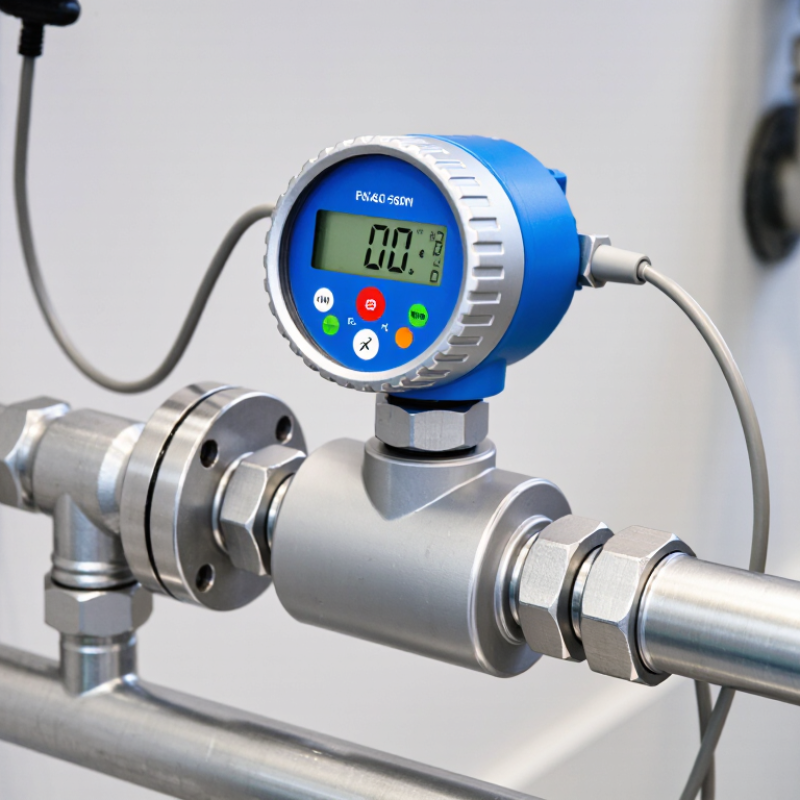
| 1. Match the meter to the application | Water quality, pipe size, flow range, pressure, temperature, and whether the installation is for billing, monitoring, or process control. | Record expected minimum, normal, and peak flow; pipe material; available straight-run length; and installation environment before requesting quotes. | A low purchase price may not offset extra adapters, pipe modifications, commissioning, or a meter that performs poorly at the actual flow range. | Confirm that the meter’s stated operating limits and intended use are documented in its technical data sheet. |
| 2. Compare measurement technology | Mechanical meters use moving parts; electromagnetic meters measure conductive liquids; ultrasonic meters use sound signals and may be inline or clamp-on. | Check whether the water’s conductivity suits an electromagnetic meter. For clamp-on ultrasonic meters, verify pipe material, wall thickness, lining, and surface condition requirements. | Consider installation labor, potential pressure loss, maintenance needs, and whether pipe cutting or shutdown is required. | Ask for application-specific accuracy information and installation instructions rather than relying on technology labels alone. |
| 3. Evaluate performance across the flow range | Accuracy specification, minimum measurable flow, repeatability, and performance at both low and peak demand. | Compare specifications under similar reference conditions and check whether the meter’s flow range covers the site’s measured or estimated demand. | Undersizing can restrict peak flow; oversizing can make low-flow measurement less suitable. Either can create avoidable operating or replacement costs. | Request calibration documentation and clarify how performance is verified after installation. |
| 4. Check approvals for the intended market | Local legal-metrology requirements, potable-water contact requirements, and any project or utility specifications. | For regulated measurement, confirm which approvals are accepted by the authority responsible for the installation. For drinking-water use, check applicable material and health-effect requirements. | Non-compliant equipment may require replacement or additional approval work. Confirm requirements before purchase, not after delivery. | Depending on the market and use, relevant references may include OIML R 49 or ISO 4064 for water meters, and NSF/ANSI/CAN 61 or NSF/ANSI/CAN 372 for applicable drinking-water system components. Verify the exact scope and current local requirements. |
| 5. Calculate the complete installed cost | Meter price plus fittings, wiring, power supply, communications, installation, commissioning, calibration, and any required shutdown. | Request an itemized quote and confirm which accessories, configuration, testing, and site work are included. | Compare the same scope across quotes. Include expected maintenance, battery or power needs, and replacement parts over the planned service period. | Ask whether setup assistance, configuration tools, and commissioning support are included or charged separately. |
| 6. Verify data and system compatibility | Output options, pulse scaling, communication protocols, data logging, power requirements, and compatibility with existing monitoring systems. | Confirm electrical ratings, wiring details, signal format, and required integration hardware with the controls or utility team. | Integration gateways, cabling, software, and ongoing connectivity can add costs beyond the meter itself. | Request interface documentation and confirm availability of configuration help, firmware information, and compatible replacement components. |
| 7. Assess warranty and ongoing support | Warranty coverage, service response, repair or replacement process, spare-part availability, and technical support access. | Check warranty exclusions, required maintenance, return procedures, and whether support is available in the required language and time zone. | A longer warranty is useful only if its terms, service logistics, and replacement arrangements suit the site’s operating needs. | Request written warranty terms, support contact details, maintenance guidance, and a clear process for troubleshooting or service. |