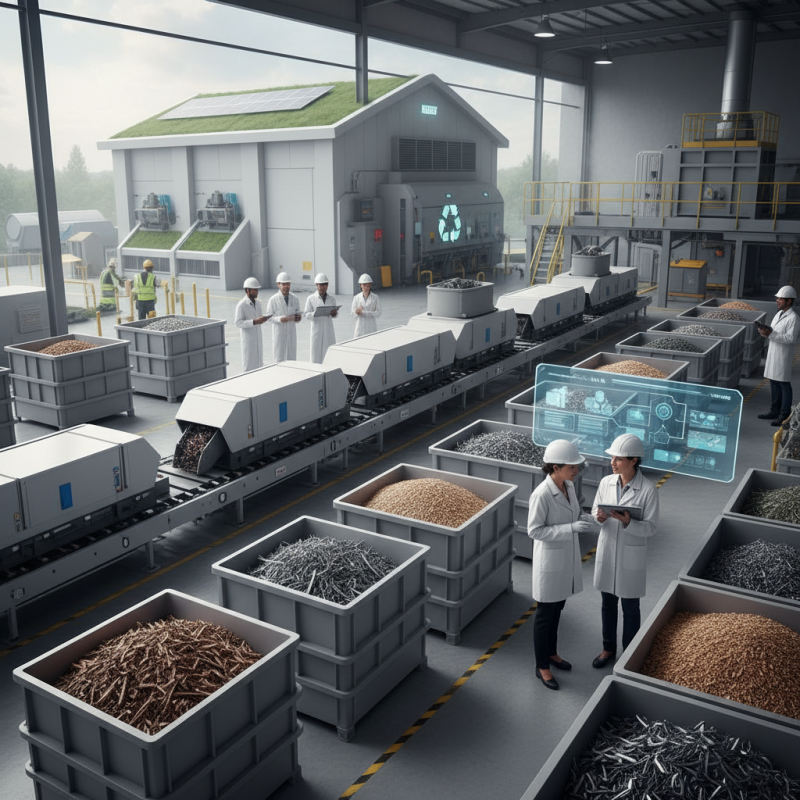
| Recycling Programs | Implementing recycling initiatives for plastics, metals, and paper. | Reduces landfill use and conserves resources. | High long-term savings. |
| Waste-to-Energy Technologies | Conversion of waste materials into usable energy. | Reduces the volume of waste sent to landfills. | Capital intensive but sustainable. |
| Composting | Biological decomposition of organic waste. | Improves soil health and reduces methane emissions. | Low-cost and beneficial. |
| Hazardous Waste Management | Specialized processes for managing hazardous materials. | Minimizes risks to human health and the environment. | Critical investment for safety. |
| Product Design for Sustainability | Designing products with end-of-life in mind. | Facilitates easier recycling and reduces waste. | May increase initial costs but enhances marketability. |
| Education & Training Programs | Training workers on waste management best practices. | Encourages responsible waste handling. | Cost of training is generally low. |
| Extended Producer Responsibility (EPR) | Holding manufacturers accountable for end-of-life products. | Promotes recycling and reduces landfill waste. | Financially burdensome for producers initially. |
| Optimizing Waste Collection | Efficient scheduling and routing of waste collection. | Reduces fuel consumption and emissions. | Cost savings in operation. |
| Collaboration with Local Authorities | Partnering with local agencies for coordinated waste efforts. | Increases overall waste diversion rates. | Shared costs lead to better resource management. |