What Is SPC Stone Flooring and Is It Waterproof?

SPC flooring is a rigid-core form of luxury vinyl flooring, commonly made with limestone powder, polyvinyl chloride, and stabilizers. The stone-based core gives the plank a firm feel underfoot, while a printed film creates wood, stone, or concrete patterns. The name can sound almost indestructible. It is not.

Market reports help explain why shoppers encounter these products so often. Grand View Research estimated the global luxury vinyl tile market at USD 24.69 billion in 2023 and projected continued growth through 2030. That figure covers LVT broadly, not SPC alone, so it should not be treated as an SPC sales estimate. Still, it signals strong demand for resilient flooring in homes and commercial spaces. Spc Flooring Stone is one search phrase buyers use while comparing these rigid-core options.

Is SPC waterproof? In most products, the core itself resists water and will not swell like untreated wood when exposed to ordinary spills. That distinction matters. Water can still seep through joints, edges, or damaged transitions and reach the subfloor. A leaking dishwasher left overnight is different from a wiped-up splash near the sink. Installation quality, room conditions, and the product’s warranty all affect real-world performance. Check the manufacturer’s instructions before installation, especially in bathrooms or laundry rooms. A waterproof label is useful, but it does not make every floor assembly waterproof. That part is easy to overlook.

What Is SPC Stone Flooring and Is It Waterproof?

What Is SPC Stone Flooring?

What Is SPC Stone Flooring?

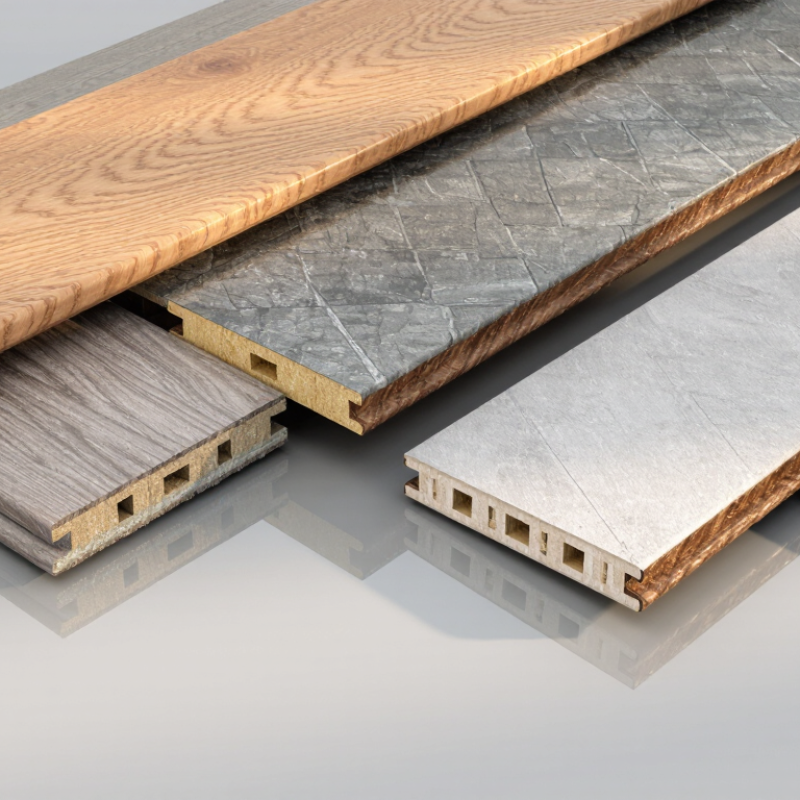
SPC stands for stone plastic composite, though some suppliers call it stone polymer composite. It describes a rigid flooring core made mainly from calcium carbonate and PVC, with added stabilizers. The mineral filler gives the core density and stiffness; PVC helps bind the material. A typical plank also has a printed decorative film, a clear wear layer, and sometimes an attached underlay. The surface may imitate oak grain or pale limestone, but the pattern is printed, not solid stone. Check the plank edges and product specifications.

SPC is usually sold as a floating floor with click-lock joints. Its rigid core can feel firm underfoot and may tolerate minor surface variations, but it cannot correct an uneven subfloor. That distinction matters. A small ridge can cause movement or stress the joints over time.

Many SPC products are described as waterproof because their cores do not readily swell when exposed to water. Yet the complete floor is not automatically watertight: liquid may pass through joints or perimeter gaps and reach the subfloor. Follow the installation instructions and wipe spills promptly. “Waterproof” is useful shorthand, not a promise against every leak. Also check wear-layer details and warranty terms; the label alone says little about long-term durability.

What Materials Make Up an SPC Floor?

SPC stands for stone plastic composite, though “stone” can sound more solid than the product really is. Its rigid core typically combines calcium carbonate, often limestone powder, with polyvinyl chloride and stabilizing additives. The mineral content gives the core density, while the polymer helps bind the ingredients. Recipes vary, so the label alone does not reveal every detail.

Above the core, a printed décor film creates the visible wood or stone pattern. A transparent wear layer protects it from everyday scuffs, and some floors also have a surface coating for added protection. An attached underlayment may sit beneath the core, but not every product includes one. In practice, inspect a cut edge: it can show the layered construction more clearly than a photo. That detail matters. SPC’s core resists water, but seams, room edges, and the subfloor still need proper installation and care. “Waterproof” does not mean safe from every leak.

Tips: Ask for the product’s layer specifications and installation guidance. Check whether the underlayment is attached, and prepare the subfloor carefully. Look closely. A small gap at an edge can become a bigger problem if moisture sits there.

How Does SPC Flooring Resist Water?

SPC flooring resists water because its rigid core is made mainly from mineral filler and polymer, rather than water-absorbing wood fibers. The core does not swell like untreated wood when splashed. Its surface wear layer also helps keep spills from reaching the printed design layer. But “waterproof” describes the material, not every installed floor. That distinction matters.

Water can still pass through click-lock joints, cut edges, or gaps around pipes and walls, especially if it sits unnoticed. The ASTM F3261 specification covers resilient flooring with a rigid polymeric core; it helps define the product category, but does not mean every installation is watertight. For practical moisture control, the U.S. EPA advises drying wet materials within 24–48 hours to reduce the chance of mold growth. Wipe up spills promptly, and check the manufacturer’s installation guidance for wet-room limits. A bucket of water left overnight is not a useful waterproofing test. The seams may be the weak point.

What Are the Limits of Its Waterproof Performance?

SPC Stone Flooring and the Limits of Waterproof Performance

SPC flooring has a rigid core made mainly from mineral filler and plastic. The core itself does not readily absorb water. That does not make every installed floor waterproof. Water can pass through joints, cut edges, or gaps around pipes and reach the subfloor. A damp cloth is usually different from a dishwasher leak that goes unnoticed overnight.

The flooring’s limits depend on its locking joints, installation, and room conditions. Water trapped beneath planks may cause odors, staining, or damage to wood-based subfloors, even if the planks remain intact. Uneven floors can stress the joints, while expansion gaps hidden beneath trim may leave routes for spills. Product instructions also vary, so check the stated exposure limits rather than assuming “waterproof” means suitable for every wet area. I would be cautious about treating SPC as a substitute for a sealed shower or floor-drain system.

Tips: Wipe spills promptly. Check seams near sinks and exterior doors. After a leak, lift affected planks if the instructions allow, and dry the subfloor fully. A quick surface check can miss moisture underneath.

Where Is SPC Flooring Commonly Used?

SPC stone flooring is commonly used in kitchens, bathrooms, laundry rooms, and entryways. These spaces often see splashes, damp shoes, or small spills. Its rigid core resists dents better than many soft flooring options. That can matter under chair legs or rolling laundry baskets. Still, the surface is not indestructible.

In living rooms, bedrooms, and hallways, SPC offers a firm, easy-to-clean finish. In busy homes, it handles frequent foot traffic and tracked-in grit reasonably well. A doormat near the entrance helps limit scratches. For commercial settings, it may suit offices, small shops, and waiting areas with moderate traffic. Heavy equipment or constant rolling loads need a closer look at product specifications.

SPC is often described as waterproof, but installation details still matter. Water can seep through poorly sealed edges or around plumbing fixtures. I would not treat it as a substitute for fixing leaks. Some rooms also feel less comfortable underfoot than spaces with softer flooring. Check the subfloor, room conditions, and manufacturer guidance before choosing it. A slightly uneven floor can create problems later, even when the planks look sturdy.

What Is SPC Stone Flooring and Is It Waterproof? - Where Is SPC Flooring Commonly Used?

Topic Details Practical considerations
What SPC flooring is SPC stands for stone plastic composite (also called stone polymer composite). It is a type of rigid-core resilient flooring, usually made with a mineral-filled core, a decorative film, and a protective wear layer. The exact construction and performance vary by product. Check the flooring specifications and installation instructions.
Is the flooring waterproof? The SPC core itself is generally water-resistant and does not swell from water in the same way as many wood-based cores. “Waterproof flooring” does not make the entire floor assembly waterproof. Water can pass through joints, edges, or gaps and affect the subfloor or adjacent materials.
Spills and routine cleaning Many SPC floors can handle ordinary spills when they are cleaned up promptly and maintained according to the manufacturer’s directions. Avoid leaving standing water for extended periods. Use suitable cleaning products and do not flood-mop unless the product instructions permit it.
Common residential uses Living rooms, bedrooms, hallways, kitchens, and other finished interior spaces are common applications. In kitchens and other spill-prone areas, promptly clean spills and follow guidance for cabinets, appliances, expansion gaps, and transitions.
Bathrooms and laundry areas Some SPC products are suitable for bathrooms or laundry rooms, subject to the product’s stated installation requirements. Do not assume the flooring replaces a shower-pan or room waterproofing system. Carefully seal and detail edges where required, and address leaks promptly.
Commercial interiors Depending on its wear-layer rating and installation requirements, SPC may be used in some offices, retail spaces, and other light- to moderate-traffic interiors. Select a product rated for the expected traffic and rolling loads. Commercial suitability is product-specific, not guaranteed by the SPC label alone.
Subfloor and installation A clean, dry, stable, and suitably flat subfloor is important. Many SPC products use a floating click-lock installation, while installation methods vary. Follow the product’s instructions for moisture testing, acclimation if required, expansion space, underlayment, and transitions. Moisture problems beneath the floor may still require separate correction.
Outdoor use and temperature SPC flooring is generally designed for indoor use, not as an exposed outdoor floor. Direct sun, large temperature swings, and unsuitable installation conditions can affect performance. Confirm permitted temperature ranges and locations in the product documentation.

Note: Product specifications and warranties differ. Always verify suitability and installation requirements for the specific flooring and room.

Top