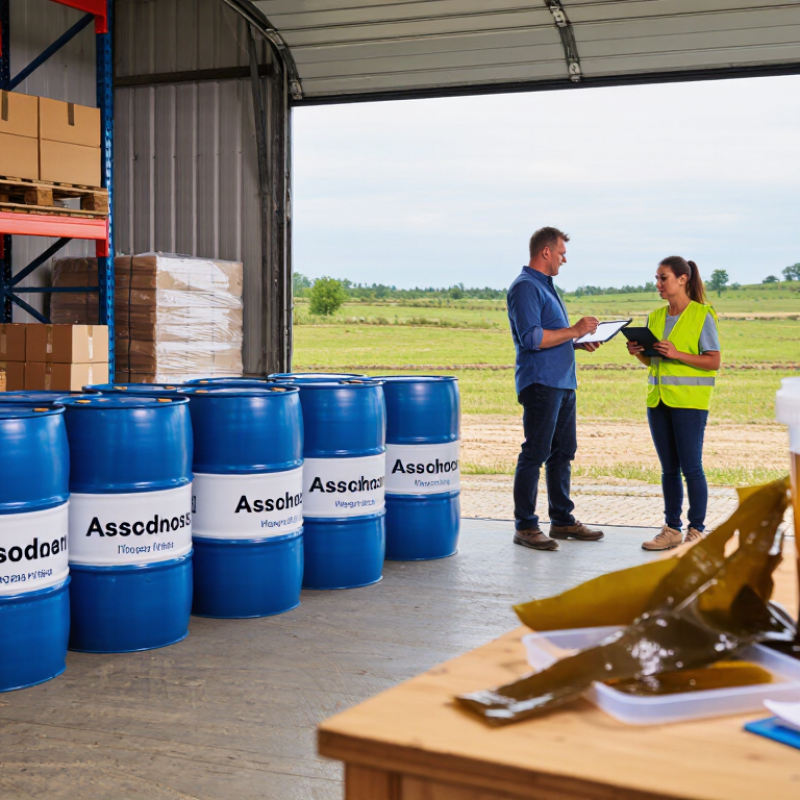
When comparing Ascophyllum nodosum suppliers, look beyond the price per kilogram. A low-cost powder may require a higher field rate or dissolve poorly in a spray tank. Ask for the recommended dose, application method, and batch-specific certificate of analysis. Check that the document identifies the product and includes relevant quality measures, such as moisture and contaminant testing. Details matter.
Certifications can support confidence, but verify their scope. An organic certificate, for example, may cover a particular product or facility, not every input from that supplier. Check the issuing body, expiry date, and whether the product’s intended agricultural use is included. Also ask how the seaweed is sourced and processed. Clear traceability and consistent specifications are more useful than a logo alone. Documentation can still leave questions.
Overall value depends on cost per treated hectare, not just container price. Compare the labeled application rate, usable concentration, storage requirements, and shipping cost. Ask whether recent batches meet the same specifications, especially if you plan to reorder mid-season. A supplier should answer practical questions without promising guaranteed yield increases; crop response varies with soil, weather, and management. I would keep a small trial record, though it is easy to overlook when planting gets busy. That imperfect notebook can help distinguish a product effect from a change in irrigation or timing.