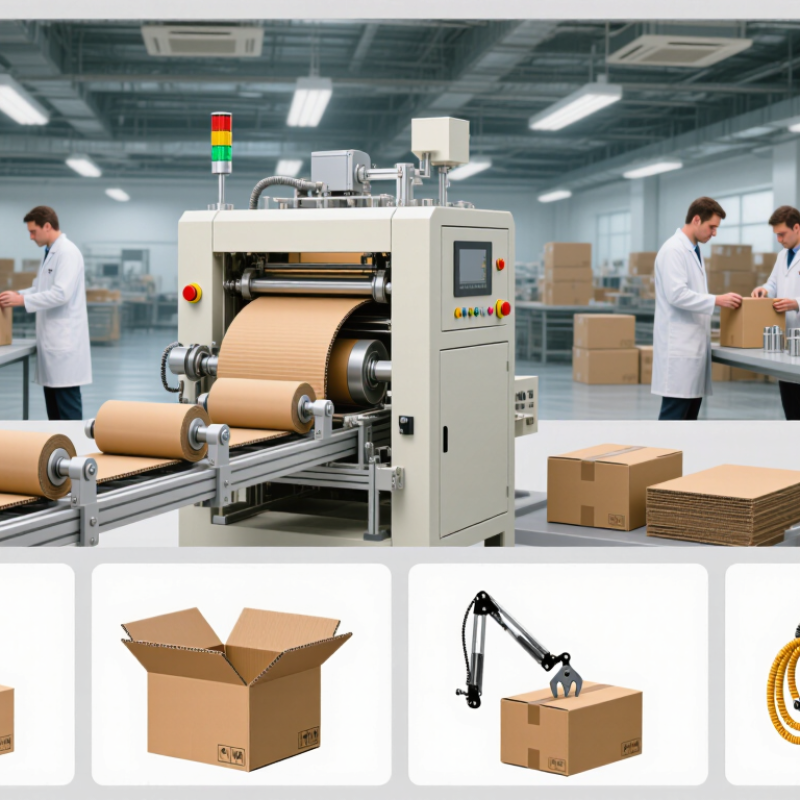
Choosing an automatic feeding gluing machine should begin with the supplier, not the brochure. Ask how quickly technicians respond when feeding becomes uneven or glue pressure fluctuates. Request training, installation guidance, spare-parts availability, and remote troubleshooting details. A clear service agreement matters. So does practical experience.
Ask for references from plants with similar carton sizes, speeds, and shift patterns. Speak with operators, not only sales staff. Their comments often reveal jam frequency and cleaning effort.
Calculate total cost beyond the purchase price.
Include freight, installation, electrical changes, tooling, adhesive consumption, maintenance, spare parts, and operator training. Measure realistic output, not the highest advertised speed. A machine running at 8,000 pieces per hour may deliver less after changeovers and rejects.
Ask for a sample run using your own board and adhesive. Record setup minutes, glue waste, folding accuracy, and recovery time after a stoppage.
Small losses become expensive over twelve months. Spreadsheets help, although early estimates are often too optimistic.
Long-term value depends on flexibility.
Check whether feeders, sensors, and control software support future product sizes. Durable frames and accessible cleaning points can reduce downtime. Ask how upgrades affect warranties and whether replacement parts remain available after several years.
A low initial price can hide dependence on one technician or difficult components. Leave room for uncertainty. Production volumes change, and promised benefits may not appear immediately.
Choose evidence you can verify: test records, service response targets, energy data, and a written ownership-cost estimate.