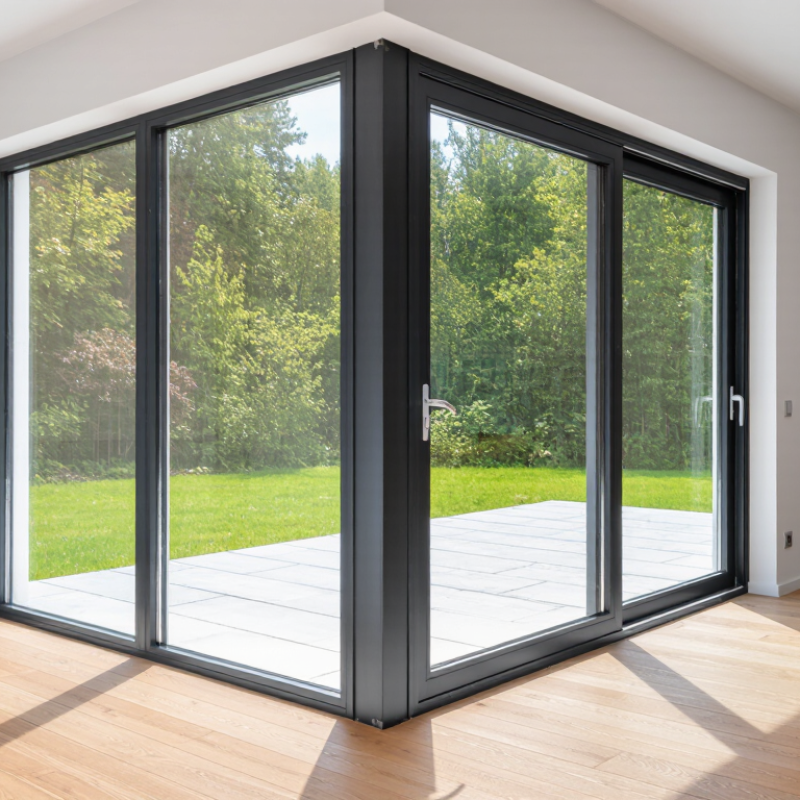
Choosing energy-efficient aluminum windows starts with the frame, not the showroom finish. In my field experience, a narrow profile often looks efficient, but appearance proves little. Check the frame’s thermal performance, air leakage rating, drainage design, and wall connection. A poorly sealed perimeter can waste energy even when the window performs well. Ask for tested U-values under recognized standards, and compare the complete window assembly, not the center glass alone. Numbers need context.
Glass selection changes comfort beside the window. Double glazing can suit moderate climates, while triple glazing may help in colder regions. Low-emissivity coatings reduce radiant heat transfer, but they should match the building’s orientation. Strong solar-control glass may reduce summer heat, yet it can limit useful winter sunlight. Consider visible light, solar heat gain, and condensation risk together. I once focused too heavily on U-value and overlooked glare near a west-facing desk. That mistake changed my checklist.
Thermal breaks separate interior and exterior aluminum with a less conductive material. Look for continuous, well-engineered breaks around the sash and frame. Weak interruptions can create cold spots, damp edges, and uncomfortable drafts. Installation matters just as much. Confirm insulation continuity, sill flashing, and airtight seals before the trim covers them. Request test reports, installation guidance, and warranty terms in writing. If specifications seem vague, pause. Energy savings are not guaranteed by materials or labels alone. Some assumptions deserve another check.