7 Tips for Choosing the Best Carbon Facial Machine
Choosing the right Carbon Facial Machine requires more than comparing prices or polished product photos. The best choice depends on treatment goals, operator training, device specifications, and long-term service support. A machine may promise brighter skin and cleaner pores, yet those claims need careful evaluation. Ask for measurable details, including laser wavelength, energy settings, pulse control, cooling methods, and recommended treatment intervals. Details matter.
Experienced skincare professionals also examine the manufacturer’s documentation and safety guidance. Reliable suppliers should provide clear operating instructions, maintenance procedures, warranty terms, and appropriate training. Independent clinical references can help, although marketing language often sounds stronger than the available evidence. Look closely. A device that feels powerful is not automatically safer or more effective. Skin type, sensitivity, active irritation, and previous treatments can influence results and risks. Professional assessment remains essential.
The seven tips in this guide focus on practical decisions that are easy to overlook. They cover performance, usability, safety features, hygiene, certification, after-sales support, and total ownership cost. A low purchase price may become expensive when replacement parts or technical support are unavailable. Similarly, advanced settings may offer flexibility but create more room for operator error. No machine is perfect. Buyers should compare real treatment needs with realistic expectations, not chase impressive specifications alone. Reviewing these points carefully can support safer decisions and more consistent professional care. The final choice should reflect verified information, qualified use, and the specific needs of the people receiving treatment.
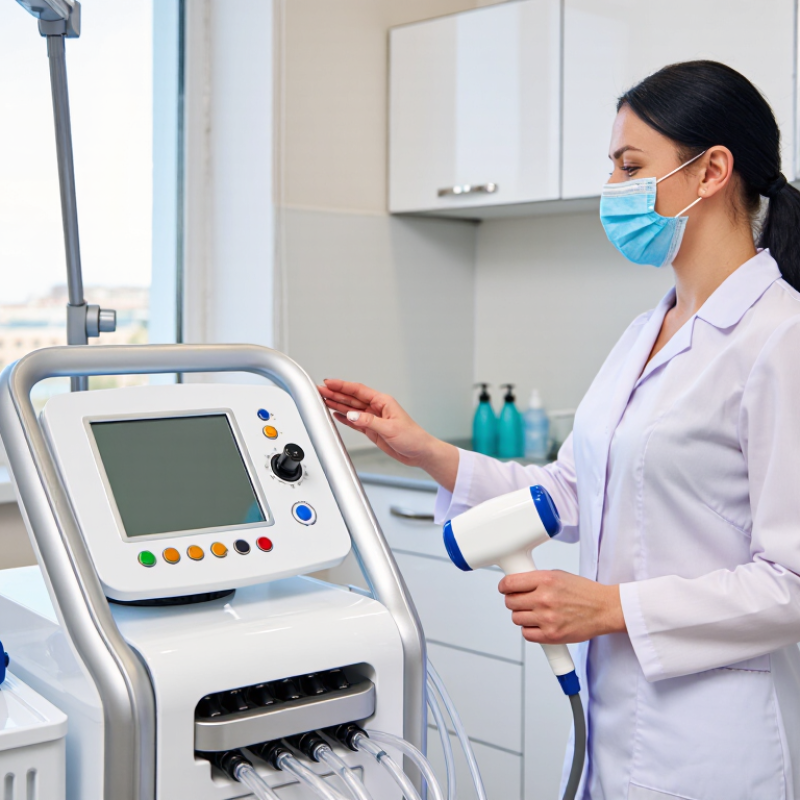
Define Your Carbon Facial Treatment Goals and Client Needs
Choosing a carbon facial machine starts with the treatment goal, not the device’s appearance.
Ask whether clients want reduced surface oil, softer-looking pores, improved texture, or mild pigment correction. These goals require different settings and expectations. ISAPS’s Global Survey 2023 recorded about 19.1 million nonsurgical aesthetic procedures worldwide, showing strong demand for lower-downtime treatments.
Demand alone is not a clinical indication.
Client assessment should guide every purchase. Record Fitzpatrick skin type, recent tanning, active acne, pigment history, medication use, and sensitivity. Darker skin may need conservative fluence and careful spacing to reduce post-inflammatory hyperpigmentation risk.
A 2023 ASPS procedural statistics report lists laser skin resurfacing as a tracked nonsurgical category, but category growth does not prove that every client suits carbon treatment. The consultation remains the real filter.
Check pulse control, fluence adjustment, spot sizes, cooling, calibration records, and protective eyewear requirements. Training matters as much as specifications.
I would not promise pore removal; that claim is too neat. A glossy handpiece is not a treatment plan. Ask for clinical documentation, adverse-event guidance, and service support before buying.
Test how clearly the supplier explains contraindications. If the sales explanation sounds effortless, I become cautious.
Real skin is less predictable.
Check Safety Features, Certifications, and User Protection Systems
Choosing a carbon facial machine requires more than comparing treatment settings or display screens. Safety features should guide the decision. Look for adjustable energy levels, stable temperature control, and an emergency stop button that is easy to reach. A protective eye shield should fit comfortably and remain secure during treatment. Small details matter.
Check whether the machine has recognized electrical and medical-device certifications for your country. Certification marks should be supported by verifiable documents, not only printed on a sales page. Ask for the user manual, risk warnings, maintenance schedule, and test reports. Clear documentation shows that the supplier understands professional responsibility. Vague answers deserve caution.
User protection systems should include skin-contact guidance, treatment timers, cooling controls, and automatic shutdown functions. Before treating a client, inspect cables, handpieces, and cooling surfaces. Perform a patch test when appropriate, and record the client’s skin response. A trained operator should explain possible discomfort and stop immediately when unusual heat or irritation appears. Never rely on automation alone. Machines can fail.
I once underestimated how much safe operation depends on routine checks. That was a useful reminder. Even a certified device needs cleaning, calibration, and proper staff training. A machine may look advanced, yet its protection system can be poorly maintained. Choose equipment with practical safeguards, readable instructions, and responsive technical support. Safety should be visible in daily use, not merely promised in advertising.