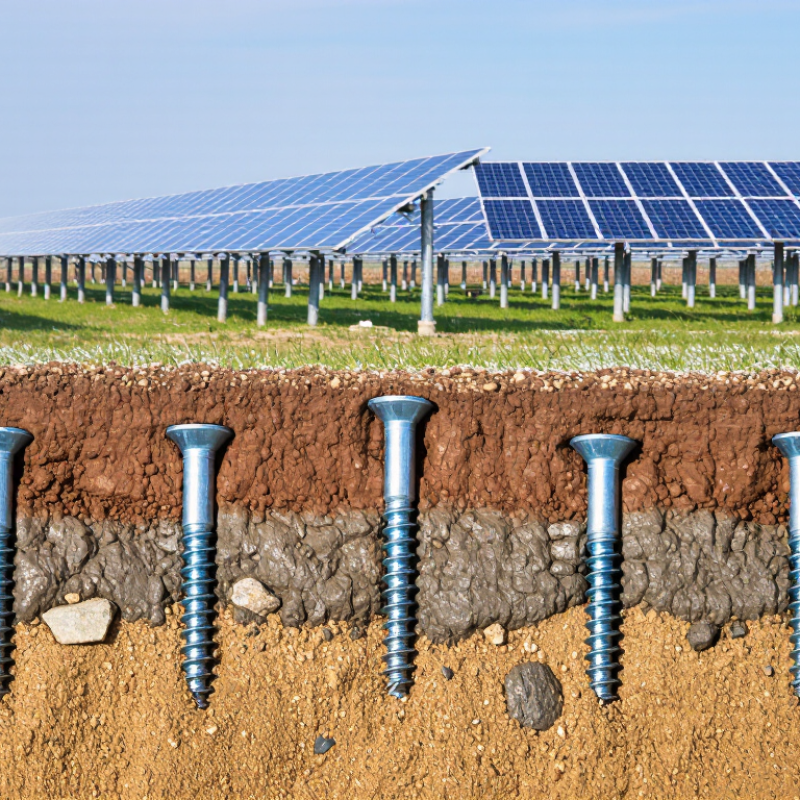
A ground screw is only as dependable as its match to the site. Check the design loads, soil profile, frost depth, drainage, and access for installation equipment before comparing prices.
A geotechnical report can reveal weak fill, dense layers, or groundwater that changes the required embedment.
Soil changes everything.
Where applicable, check whether the system has been evaluated under ICC-ES AC358, and ask for documented axial and lateral capacity. ASTM D1143 and D3689 describe compression and tension testing methods for deep foundations; ask whether relevant test results reflect comparable soil and installation conditions.
Long-term value depends on more than the purchase price.
The 2016 NACE IMPACT study estimated global corrosion costs at $2.5 trillion annually, or 3.4% of global GDP. That figure covers corrosion broadly, not ground screws alone, but it shows why coatings, soil chemistry, and inspection plans deserve attention. Ask for coating specifications, expected service-life assumptions, and clear limits on those estimates.
Small details matter.
Confirm the required installation torque and how it is recorded; torque can help verify installation, but its relationship to capacity depends on the system and soil. A missed field note can make later checks harder. I would compare the full installed cost, maintenance needs, and evidence behind each capacity claim—not just the quoted unit price.