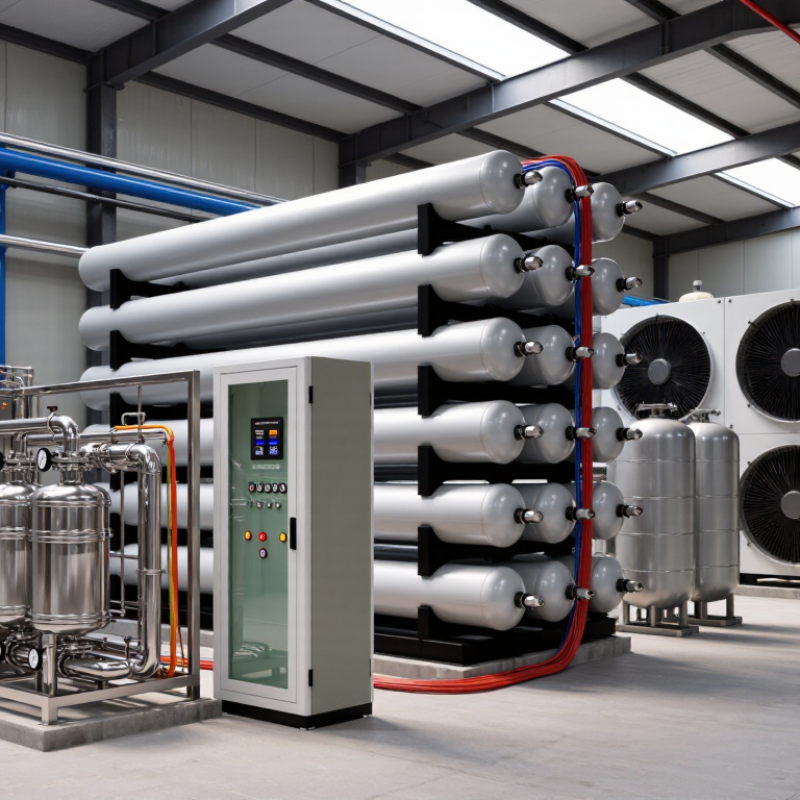
| 1 | Alkaline Electrolyzer Stack | Uses direct current to split water into hydrogen and oxygen in an alkaline electrolyte. | Contains alternating electrodes and diaphragms; commonly operates with a potassium hydroxide solution at elevated temperature. Industrial operating temperatures are often around 60–90 °C, depending on the design. | Assess rated hydrogen output, operating pressure, current density, efficiency, turndown capability, and materials compatibility. |
| 2 | DC Rectifier and Power Supply | Converts incoming AC electricity into controlled DC power for the electrolyzer. | Designed for high-current, low-voltage operation, with electrical protection and adjustable output. | Check power rating, conversion efficiency, current ripple, cooling method, grid compatibility, and control-system integration. |
| 3 | Electrolyte Circulation Pump | Circulates alkaline electrolyte through the stack and associated process equipment. | Must handle hot, caustic liquid and maintain the flow needed for heat and gas management. | Confirm flow and head requirements, seal and material compatibility, temperature limits, and maintenance access. |
| 4 | Electrolyte Preparation and Storage Tank | Stores, mixes, or conditions the alkaline electrolyte used by the system. | Often fitted with level, temperature, and concentration monitoring; tank materials and linings must suit the electrolyte. | Consider working volume, corrosion resistance, safe filling and drainage, ventilation, and spill containment. |
| 5 | Hydrogen-Side Gas-Liquid Separator | Separates hydrogen gas from entrained electrolyte leaving the electrolyzer. | Uses gravity separation and, in some designs, internal demisting features to reduce liquid carryover. | Review pressure and temperature ratings, separation performance, drainage, instrumentation, and safe venting arrangements. |
| 6 | Oxygen-Side Gas-Liquid Separator | Separates oxygen from the electrolyte on the oxygen outlet side of the process. | Provides gas-liquid separation while maintaining separation between the hydrogen and oxygen circuits. | Check oxygen-service suitability, pressure rating, level control, materials compatibility, and safeguards against gas crossover. |
| 7 | Cooling and Heat-Exchange System | Removes process heat and helps keep the electrolyte and equipment within their operating temperature range. | May include heat exchangers, a cooling-water circuit, temperature sensors, and flow-control valves. | Size for the process heat load and site conditions; consider fouling, corrosion, temperature control, and cooling-water availability. |
| 8 | Hydrogen Purification and Drying Unit | Reduces moisture and, where required, removes residual oxygen or other impurities from the hydrogen stream. | May combine a deoxygenation stage with a dryer; the final gas quality depends on the process design and operating conditions. | Specify the required hydrogen purity and dew point, flow range, pressure, regeneration method, and monitoring requirements. |
| 9 | Water Treatment and Feed System | Prepares water to meet the electrolyzer’s feed-water requirements and supplies it to the process. | May include filtration, reverse osmosis, deionization, storage, and feed pumps, depending on incoming water quality. | Set water-quality limits from the electrolyzer design; consider pretreatment, product-water monitoring, and reliable supply. |
| 10 | Process Control, Instrumentation, and Safety System | Monitors and controls operating conditions and initiates alarms or shutdowns when required. | Typically monitors pressure, temperature, flow, liquid level, electrical conditions, and gas composition at relevant points. | Review alarm and trip logic, gas detection, emergency shutdown provisions, instrument suitability, and applicable safety codes. |