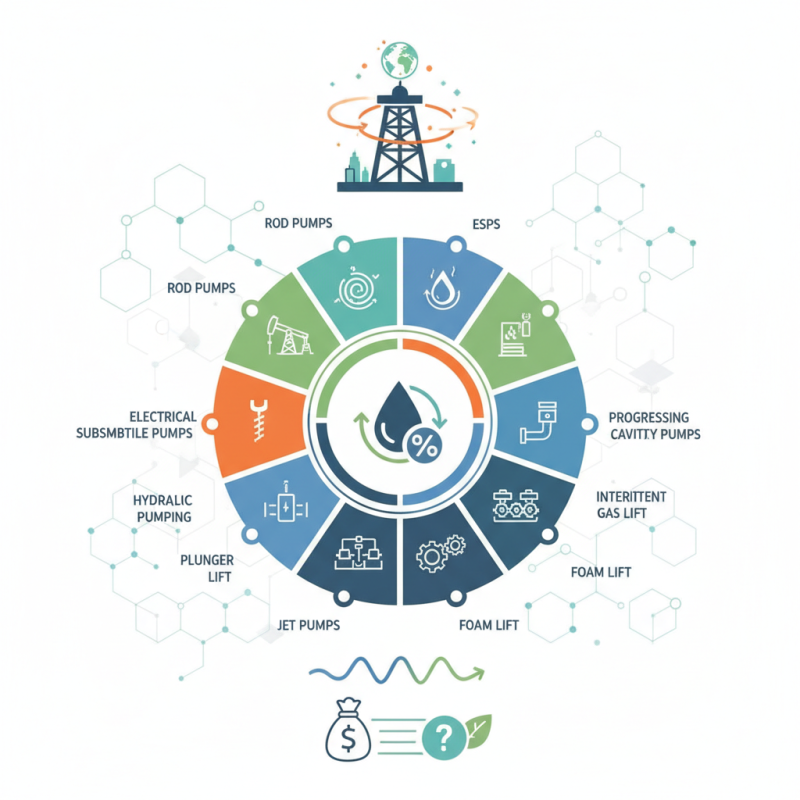
The future of artificial lift technologies is vibrant and filled with innovation. In recent studies, it is projected that the global artificial lift market will reach approximately $26.7 billion by 2027. This growth is driven by advancing technologies and an increasing need for efficient oil extraction methods.
Emerging solutions like electric submersible pumps (ESPs) and progressive cavity pumps (PCPs) are leading the way. ESPs now boast efficiencies exceeding 90%, making them vital for deep-well applications. However, challenges remain. The initial cost of these systems can be high, which discourages investment from smaller operators. Moreover, integration with existing infrastructure can be complex, requiring a careful analysis of the operational environment.
In addition, automation and data analytics are becoming essential. Predictive maintenance using real-time data can reduce downtime by up to 20%. Industry specialists advocate for embracing digital twin technology to model real-time performance. Yet, there are risks too. Heavy reliance on technology may lead to vulnerabilities during disruptions. Balancing innovation with practical implementation will be crucial for the industry.
As we move forward, addressing these challenges will define the success of artificial lift technologies.