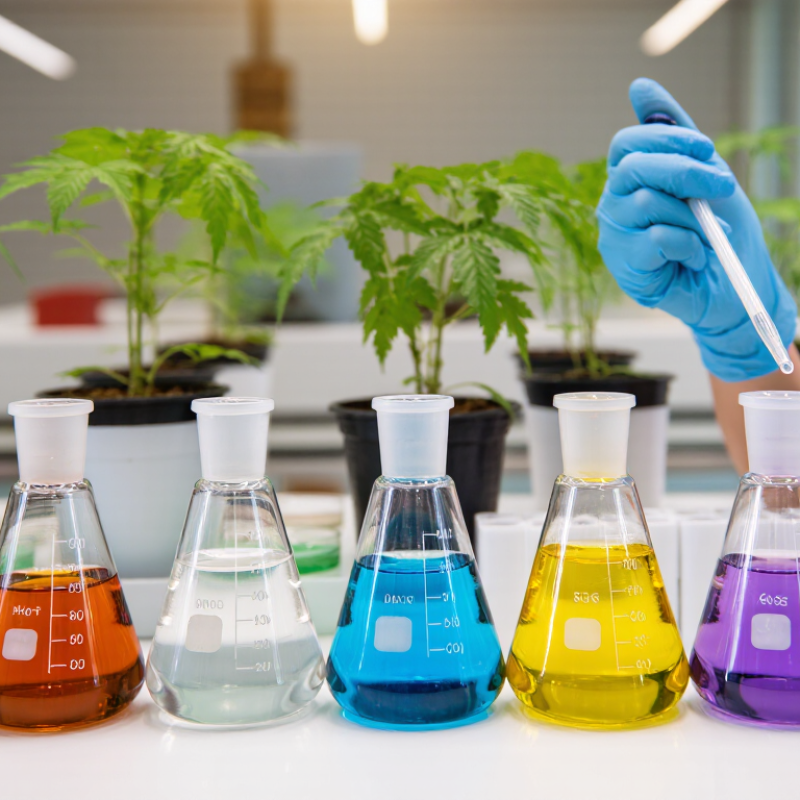
China’s biostimulant sector is attracting attention as growers seek stronger crops, better nutrient use, and more resilience under stress. The global market offers useful context. MarketsandMarkets’ 2022 industry report estimated its value at US$3.1 billion that year and forecast growth to US$4.9 billion by 2027. These are projections, not audited sales figures, and estimates vary by market definition. Still, the direction is clear: suppliers face rising expectations for evidence, consistency, and practical field performance.
China Top 10 Biostimulant Suppliers examines companies serving this evolving market, from product development to manufacturing and export experience. The term itself needs care. In a 2015 paper in Scientia Horticulturae, plant biostimulant researcher Patrick du Jardin defined one as “any substance or microorganism applied to plants with the aim to enhance nutrition efficiency, abiotic stress tolerance and/or crop quality traits, regardless of its nutrients content.” That definition helps distinguish biostimulants from products valued mainly for their nutrient content. A supplier’s claims still need scrutiny. Look for clear ingredient information, credible trial methods, and results tied to specific crops and growing conditions. A laboratory result may not repeat in a dry field or a humid greenhouse. Details matter. No list can capture every local condition, and supplier rankings are imperfect. The companies featured here should therefore be treated as candidates for careful evaluation, not automatic endorsements.
China Top 10 Biostimulant Suppliers?
EU Regulation 2019/1009 defines a plant biostimulant by what it does, not simply by its ingredients. Its sole purpose must be to stimulate plant nutrition processes independently of the product’s nutrient content. The regulation identifies four possible responses. A product needs to support at least one.
The first is nutrient use efficiency: crops may use available nutrients more effectively.
The second is tolerance to abiotic stress, such as drought, heat, or salinity.
The third is improved quality traits, which could include measurable characteristics of harvested produce.
The fourth is greater availability of nutrients already confined in soil or the rhizosphere.
That distinction matters. A biostimulant is not automatically a fertilizer, and visible growth alone does not prove a particular response.
For buyers comparing suppliers, ask which response the product is designed to support and what trial evidence backs that claim. Look for clear methods, crop details, application rates, and results from conditions resembling your own fields. Soil texture, weather, and timing can change outcomes. Even careful trials have limits; one season rarely tells the whole story.
A practical assessment should connect the claimed plant response to measurable observations, not just a promising label.