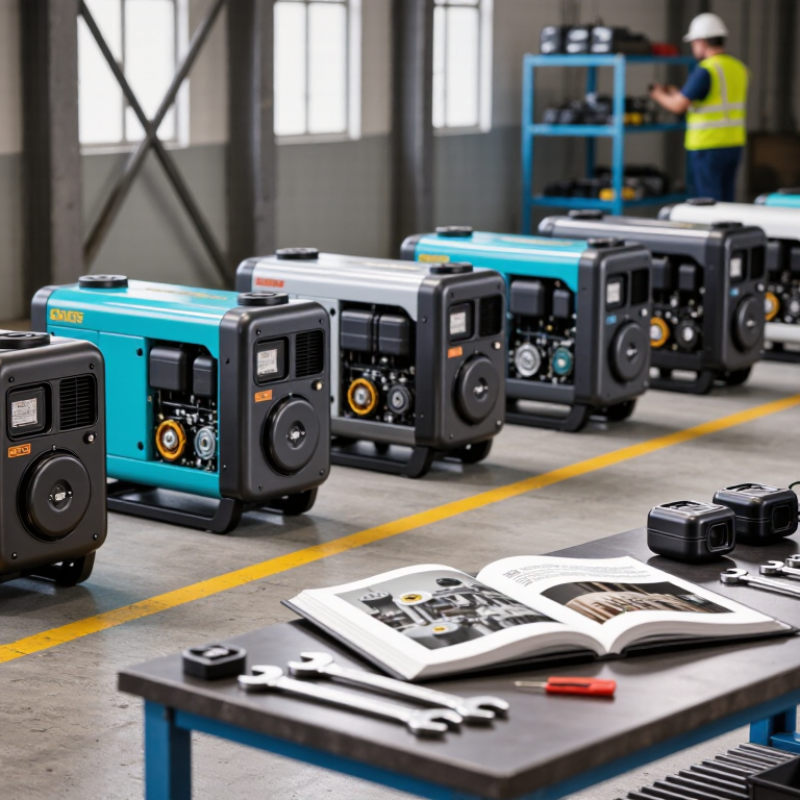
Understanding Two-Cylinder Diesel Generators and Their Main Applications
A two-cylinder diesel generator uses two pistons to drive its alternator. Compared with many single-cylinder units, it can deliver steadier operation and handle sustained loads more comfortably. It still produces vibration and engine noise. Mounting, enclosure design, and regular servicing matter.
These generators are often considered for small farms, remote workshops, irrigation pumps, and backup power at modest facilities. A farm might use one to run lights, a water pump, and essential tools during an outage. In a workshop, it may support selected equipment rather than every machine at once. Actual capacity varies by engine design, so check starting-current demands as well as running wattage. Motors can draw a brief surge when they start.
Installation details are easy to underestimate. Place the generator on a stable, level base, allow clear airflow, and keep exhaust away from occupied spaces. Follow the manual for ventilation, oil checks, and service intervals. Dusty conditions can clog filters sooner than expected. Fuel quality and storage also affect reliability. A two-cylinder model is not automatically the best fit; noise, maintenance access, load profile, and local service availability deserve equal attention. I would verify those details before choosing a unit.