Top 10 Explosion Proof Box Suppliers Worldwide?
Choosing the right Explosion Proof Box supplier requires more than comparing product photos or advertised prices. These enclosures protect electrical connections in demanding environments, including chemical plants, oil terminals, grain-processing facilities, and wastewater stations. A small design weakness can create serious operational risks. Details matter.
This guide examines ten leading suppliers worldwide through practical purchasing criteria. The review considers enclosure materials, ingress protection, hazardous-area certifications, temperature performance, cable entry options, customization, and after-sales support. It also considers manufacturing consistency and documentation quality. A reliable supplier should provide clear test reports, traceable materials, installation guidance, and responsive technical communication. Certifications such as IECEx, ATEX, or relevant regional approvals should match the intended application and local requirements. Compliance must be verified, not assumed.
No ranking is perfectly objective. Supplier strengths can vary by region, project size, and industry. One company may offer excellent stainless-steel fabrication, while another provides faster delivery or stronger engineering support. Some product pages look impressive but provide limited technical evidence. That deserves careful review. Buyers should confirm enclosure dimensions, protection ratings, operating temperatures, gland compatibility, and maintenance access before placing an order. A box installed outdoors may face rain, salt spray, dust, vibration, and direct sunlight. Laboratory performance does not always reflect field conditions.
The following overview is designed to support informed comparison, not replace professional engineering judgment. It highlights suppliers with notable capabilities while acknowledging that product suitability depends on the complete installation. Careful verification remains essential.
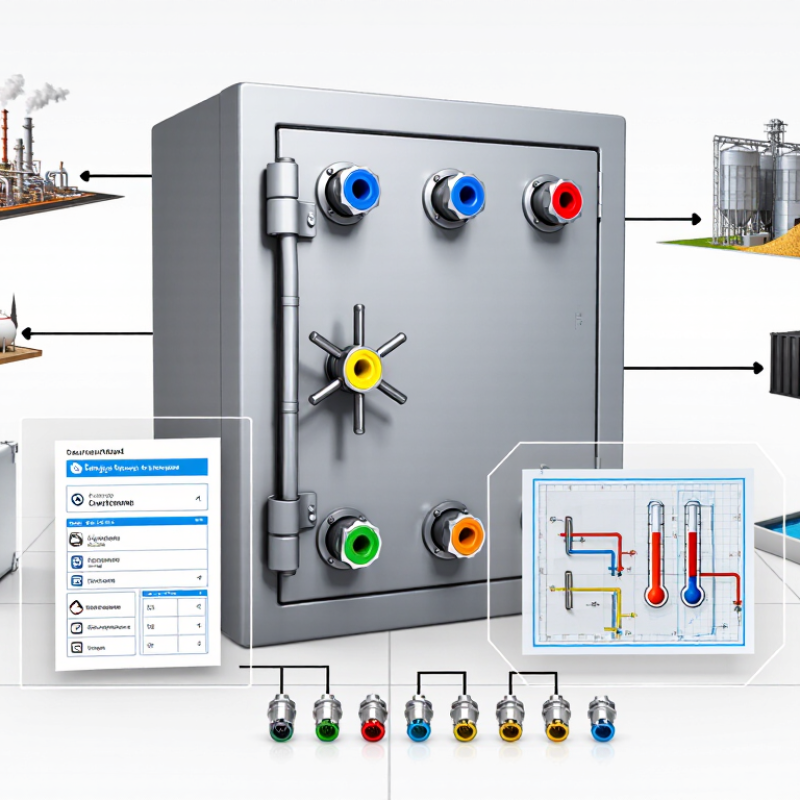
Define Explosion-Proof Boxes Through IEC 60079, ATEX, and NEC 505
An explosion-proof box is not simply a strong metal container. It is engineered to prevent an internal ignition from causing a surrounding atmosphere to ignite.
IEC 60079-0 defines general requirements for equipment used in explosive atmospheres. IEC 60079-1 covers flameproof enclosures, marked “Ex d.” Their joints, threads, and flame paths must control escaping hot gases. Small details matter. A damaged thread can change the protection level. Suppliers should provide valid certificates, marking information, and installation limits.
ATEX applies to equipment placed on the European market. It connects product design with equipment categories, zones, conformity assessment, and essential health requirements. A box for Zone 1 cannot be selected by appearance alone. Its gas group, temperature class, ambient range, and cable entries must match the site conditions. NEC 505 uses Class I zone classifications in North American installations, including Zone 0, Zone 1, and Zone 2. It also requires suitable protection methods, markings, wiring practices, and listed or approved components.
Experienced buyers compare the certificate with the complete assembly. The enclosure may be certified, but an unsuitable gland or blanking plug can weaken the installation. Check impact resistance, corrosion protection, gasket behavior, and maintenance instructions. “Explosion-proof” is often used loosely in product searches. That wording can mislead. The certificate and marking deserve more attention than a polished catalog image. Even experienced teams sometimes overlook ambient temperature derating. That mistake is worth revisiting.
IEC 60079 and ATEX use three gas/vapor zones and three combustible-dust zones. NEC 505 defines three gas/vapor zones; combustible-dust zone classification is addressed separately under NEC 506.
Assess Supplier Coverage Across Zones 0, 1, 2, 20, 21, and 22
Top 10 Explosion Proof Box Suppliers Worldwide?
Assessing the top ten suppliers requires more than comparing catalogs or product prices. Experienced buyers should verify coverage across Zones 0, 1, and 2 for explosive gases. They should also check Zones 20, 21, and 22 for combustible dust. These classifications describe different risks and operating conditions. A box approved for Zone 2 is not automatically suitable for Zone 0. That assumption can create serious selection errors.
Reliable suppliers provide traceable certification, tested enclosure ratings, temperature classes, and suitable cable entries. They should explain whether their boxes support continuous gas exposure in Zone 0 or occasional dust clouds in Zone 21. Look for clear test reports, material specifications, corrosion data, and installation limits. Stainless steel may suit offshore environments, while coated aluminum can reduce weight in controlled areas. Details matter.
Ask each supplier for evidence from independent testing bodies and regional conformity systems. IECEx and ATEX documentation can support international evaluation, but local requirements still need review. Site experience is valuable. Engineers should inspect previous installations, maintenance records, and failure responses. Some catalogs blur gas and dust applications. That needs questioning. I would also challenge vague claims about “universal” protection. No enclosure fits every hazard, climate, or maintenance routine. A careful ranking may feel slower, but it exposes gaps before equipment reaches the field.
Evaluate the Top 10 Suppliers by Certification, Materials, and Customization
Choosing among the top 10 explosion proof box suppliers requires more than comparing prices. Certification should match the installation location, gas or dust risk, and equipment category. Look for valid IECEx, ATEX, UL, or regional certification, with clear certificate numbers and product scope. A supplier should explain temperature classes, ingress protection, and allowable cable entries. A polished certificate file is not enough.
Materials reveal practical engineering quality.
Stainless steel 316L suits coastal platforms and chemical areas, while coated aluminum can reduce weight. GRP may resist corrosion, but its impact performance needs careful review. Check gasket aging, enclosure thickness, fastener material, and surface treatment. Small details matter. I would inspect a sample nameplate and test report before approving large orders.
Customization separates capable suppliers from simple catalog sellers. Useful options include drilled cable-entry layouts, terminal rails, viewing windows, drain plugs, mounting brackets, and thermal management. Ask whether modifications remain covered by certification. Strong suppliers provide drawings, material records, inspection reports, and traceability from production to delivery. Response time also matters when a replacement box is needed offshore or in a dusty plant. No supplier is perfect. Some offer excellent certification support but limited machining flexibility, while others customize quickly but communicate technical limits poorly. A balanced evaluation should score compliance, material suitability, engineering evidence, delivery control, and after-sales support.