Top 10 Fence Post Machine Manufacturers for Global Buyers?
Choosing reliable equipment for rural infrastructure begins with understanding how a Fence Post Machine performs in real production conditions. Global buyers need more than attractive brochures or impressive factory photographs. They must examine forming accuracy, steel compatibility, automation levels, maintenance access, and after-sales support. A dependable machine should produce consistent posts, reduce material waste, and operate safely during long production shifts.
This introduction presents ten notable Fence Post Machine manufacturers serving international markets. The selection considers manufacturing experience, technical specialization, export capability, customer feedback, and documented service resources. It also considers practical details, such as hydraulic stability, mold replacement time, electrical standards, and spare-part availability. Small details matter.
However, no universal ranking can suit every buyer. A compact workshop may value simple controls and affordable maintenance, while a large fencing producer may require automatic feeding, higher output, and remote diagnostics. Some manufacturers communicate clearly about limitations; others leave important specifications unclear. That deserves careful attention. Buyers should verify production capacity, delivery terms, installation support, warranty conditions, and compliance requirements before placing an order.
The manufacturers discussed here represent different strengths, price levels, and application focuses. Their equipment may serve farms, construction suppliers, highway projects, and large-scale fencing operations. Actual performance depends on raw materials, operator training, tooling quality, and factory management. Therefore, this guide should support comparison, not replace technical due diligence. A factory visit, sample test, or independent inspection can reveal weaknesses that online descriptions cannot show. Procurement decisions become stronger when evidence matters more than marketing language.
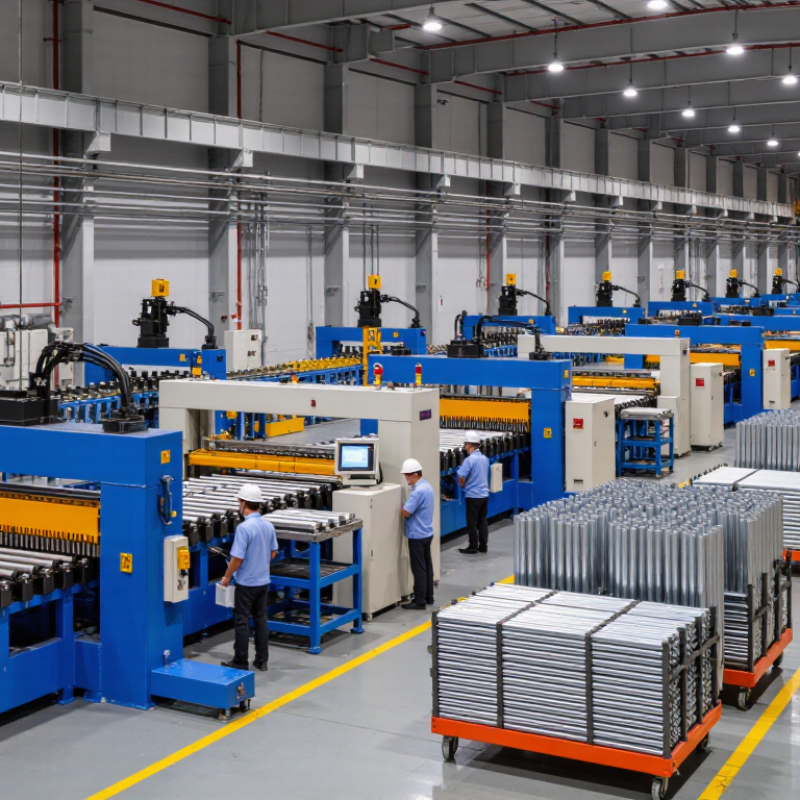
What Is a Fence Post Machine and Why Does It Matter?
A fence post machine is equipment designed to form durable posts for agricultural, residential, and infrastructure fencing. Most models shape concrete through a mold, vibration system, and controlled pressure. Some lines also insert steel reinforcement before curing. The machine determines the post’s length, thickness, surface finish, and production speed. A typical unit may produce several posts in one cycle, depending on mold size and operator skill.
Its importance begins with consistency. A post with uneven dimensions may lean, crack, or create gaps after installation. Accurate molds help maintain regular spacing between fence posts. Controlled vibration reduces air pockets inside fresh concrete. Stronger compaction usually improves durability, although poor material mixing can still cause failures. The machine also reduces repetitive manual work and supports higher daily output. That matters when buyers manage large farms, road boundaries, or construction schedules.
Experienced buyers should examine the frame, hydraulic parts, electrical controls, mold quality, and cleaning access. Ask for measured output, not only advertised capacity. Watch a full production cycle if possible. Noise, vibration, and difficult mold removal may reveal future maintenance costs. No machine is perfect. A faster cycle can produce weaker posts when operators rush curing or overload the mold. I have found that simple controls often help new workers avoid mistakes, but they may limit advanced automation. Proper training, spare parts, and clear operating records matter as much as the machine itself.
