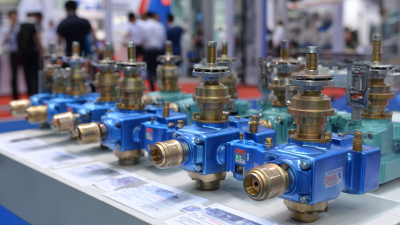
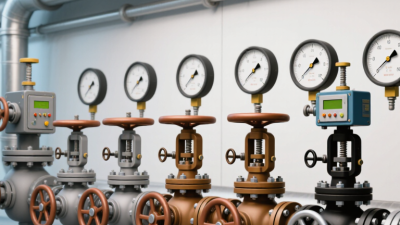
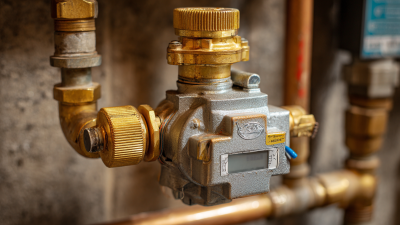
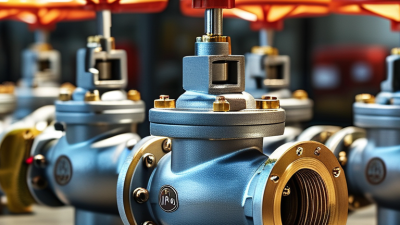
What Are the Top 10 Gas Valve Types for Buyers?
Choosing the right gas valve starts with understanding the system, not picking the most familiar name. A valve used on a residential appliance may not suit a commercial burner or an industrial process. Pressure, gas type, flow rate, pipe connection, operating temperature, and how often the valve cycles all affect the choice. Small details matter.
This guide introduces ten common gas valve types, including ball, plug, gate, globe, butterfly, needle, check, solenoid, pressure-regulating, and safety shutoff valves. Each works differently. A quarter-turn ball valve, for example, opens quickly, while a regulator helps control downstream pressure. The differences are practical, not merely technical.
Buyers should compare published ratings, connection dimensions, materials, and the manufacturer’s stated application. A low purchase price can be tempting. Yet a mismatched valve may create operating problems or require replacement sooner than expected. Even a clear product description cannot settle every question; installation conditions matter, too.
The sections ahead explain typical uses, strengths, and trade-offs for each type. They also highlight questions worth asking suppliers, such as whether a model is suitable for the intended gas and service conditions. Verify specifications against the equipment documentation, and have a qualified professional assess installation requirements. Requirements vary by location and application. A useful shortlist is a start, not a substitute for careful review.
How Gas Valves Control and Regulate Gas Flow
Gas valves control flow by changing the opening available to the gas. A ball valve turns a drilled sphere; gate, plug, and butterfly valves use different moving barriers. Globe and needle valves allow finer throttling, while check valves prevent reverse flow. Pressure-reducing valves use a diaphragm or spring to maintain a lower downstream pressure. Excess-flow valves restrict unusually rapid flow, and solenoid valves switch flow electrically. Small movements matter. A regulator hunting around its setpoint can cause pressure swings in connected equipment.
Choosing a valve means matching its function to pressure, flow rate, gas composition, and operating conditions. The IEA’s Global Methane Tracker 2024 estimated that fossil fuel operations released about 120 million tonnes of methane in 2023. That figure covers the wider industry, not valve leaks alone, but it underscores why sealing and inspection deserve attention. Buyers can review pressure ratings, leakage-test results, materials, and actuator response. A valve that is too large may regulate poorly at low flow; one that is too small may restrict demand. There is no universal “top” type. In practice, selection can still involve trade-offs, and catalog specifications do not replace checking actual operating conditions.
Key Factors Buyers Should Compare Before Selecting a Valve
Choosing among ball, plug, gate, globe, butterfly, needle, check, solenoid, pressure-regulating, and excess-flow valves starts with the gas and operating conditions. Confirm the gas composition, pressure range, temperature, and required flow rate. A valve suited to a low-pressure line may not perform well in a higher-pressure system. Small details matter.
Compare the valve’s body and seal materials with the gas, moisture, and surrounding environment. Check connection type, size, pressure rating, shutoff performance, and actuation method. A ball valve may suit quick isolation, while a regulator controls downstream pressure; these functions are not interchangeable. Ask for test data and documentation that match the intended service, rather than relying on a general product description. Fit matters.
Maintenance deserves equal attention. Consider access for inspection, replacement-part availability, expected cycle frequency, and the consequences of a leak or unwanted flow. Solenoid valves may support automated control, but buyers should verify power requirements and fail position. Check valves also need the correct flow direction and orientation. A tidy specification sheet can still leave out installation constraints, so have a qualified professional review the selection against the actual system. I would not assume the most expensive option is automatically the safest or most durable.
The 10 Main Gas Valve Types and How They Work
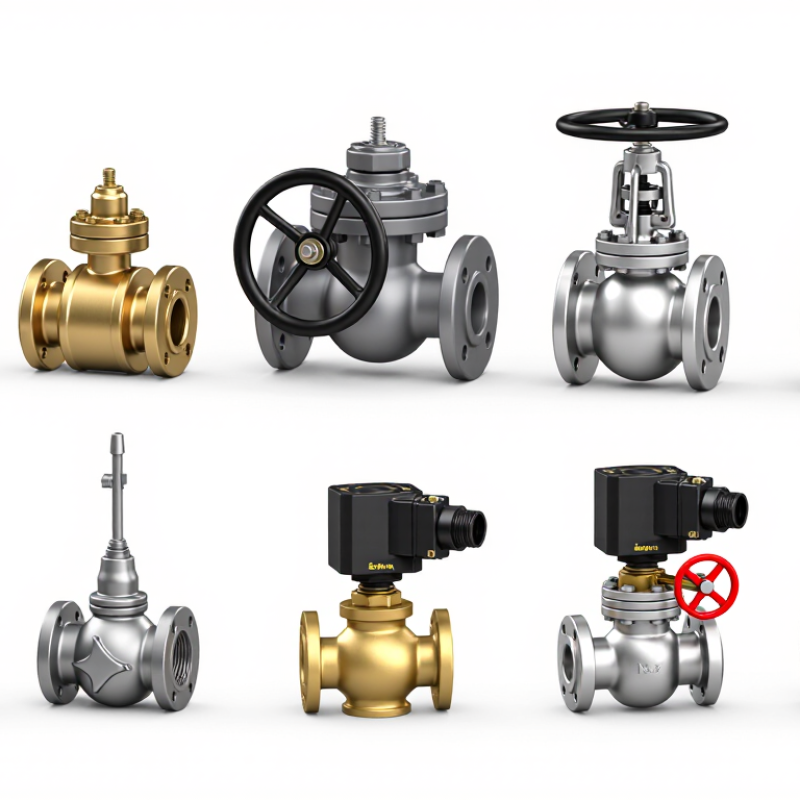
Gas systems use different valves for isolation, throttling, and pressure control. A ball valve turns a bored sphere to open or block flow; it is commonly used for quick shutoff. A gate valve lifts a flat gate from the flow path, while a globe valve moves a plug toward a seat for more controlled adjustment. A butterfly valve rotates a disc inside the pipe, saving space. A plug valve turns a tapered or cylindrical plug to align or block its passage.
A needle valve uses a fine-pointed stem for gradual, precise flow adjustment, often in small lines. A diaphragm valve flexes a membrane against a seat, keeping the moving stem away from the gas path. A solenoid valve uses an electrical coil to move a plunger, opening or closing flow automatically. A check valve allows flow in one direction and closes when flow reverses. A pressure regulator adjusts its internal opening to maintain a set downstream pressure. A safety shutoff valve closes flow when its control system detects a specified fault.
Small details matter. Match the valve to the gas, pressure, temperature, pipe connection, and intended duty; appearance alone proves little. Check its rated specifications and installation instructions, and have qualified personnel verify compatibility. A regulator is not a substitute for an isolation valve, and a check valve does not provide manual shutoff. Selection can still feel uncertain when site conditions are poorly documented, so verify them before ordering.
The 10 Main Gas Valve Types: Typical Functions
A qualitative comparison of typical shutoff and flow-control suitability. Scores are illustrative, not standardized performance ratings; actual capabilities vary by valve design and application.
Check valves prevent reverse flow, while pressure-relief valves protect against overpressure; neither is typically used as a manual isolation valve. Consult the valve manufacturer's specifications and applicable gas codes when selecting a valve.
Typical Applications for Each Gas Valve Type
Gas valve choice depends on flow, pressure, shutoff needs, and operating conditions. Ball valves suit quick isolation in residential gas lines and equipment branches. Their quarter-turn handles are easy to inspect. Gate valves are used where a straight, full-bore path matters, such as larger distribution lines, but they are not ideal for frequent adjustment.
Globe valves help regulate flow in systems that need gradual changes, including some boiler and process-gas circuits. Plug valves provide compact shutoff for service lines and industrial piping. Butterfly valves are common on larger, lower-pressure ducts and gas lines, where space and weight matter. Needle valves allow fine flow control at instrument connections and test points. Small adjustments matter.
Diaphragm valves can handle clean, low-pressure gas in metering or control assemblies, though material compatibility must be checked. Solenoid valves provide automatic on-off control in burners and gas appliances; they need the correct voltage and duty rating. Pressure regulators reduce inlet pressure to a usable downstream level in appliances and distribution equipment. Check valves prevent reverse flow in systems designed for one-way movement. They do not replace an isolation valve. A type name alone is not enough: confirm gas compatibility, pressure range, connection details, and the manufacturer’s installation instructions with a qualified technician. In practice, selection can be less tidy than a chart suggests.
How to Choose a Valve for Safety and System Requirements
Common gas-valve choices include ball, plug, gate, globe, butterfly, needle, diaphragm, solenoid, excess-flow, and slam-shut valves. Each serves a different duty: isolation, flow control, automated operation, or emergency shutoff. A quarter-turn ball valve may suit isolation, while a needle valve can provide fine adjustment in systems designed for gas service. Names alone do not decide suitability. Small details matter.
Start by confirming the gas composition, operating and maximum pressure, temperature range, required flow, connection size, and acceptable pressure drop. Check that the valve body and seals are compatible with the gas and expected conditions. Moisture, additives, and temperature can affect material performance. Consider how the valve should behave if power or pressure is lost. For automatic shutoff, match the valve’s response to the system’s safety design and have qualified personnel install and test it.
Check applicable local requirements and product approvals before purchase; requirements vary by location and application. Confirm the valve’s rated pressure and temperature, connection details, and service instructions against the actual system—not just the pipe label. A common mistake is choosing by diameter alone. That shortcut can restrict flow or create poor control. Record the selected valve’s specifications and maintenance needs, then verify them during commissioning.