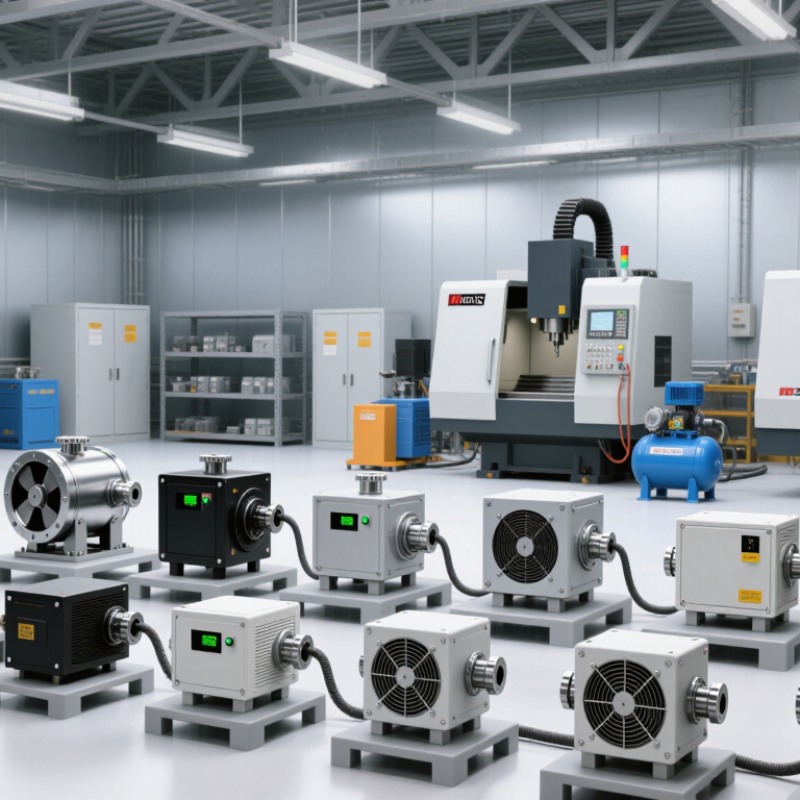
For global buyers, the top 10 power phase converters should be judged by operating conditions, not appearance. Common choices include rotary, static, digital, portable, heavy-duty, low-noise, outdoor-rated, voltage-adjustable, CNC-ready, and custom-engineered models. Each serves a different workload. A small workshop may need a compact static converter, while a 15-kilowatt motor often requires a rotary unit with stronger starting capacity.
Check input voltage, output voltage, frequency, phase balance, rated horsepower, and duty cycle before comparing prices. A converter designed for 60 Hz operation may not suit a 50 Hz facility.
Measure the motor’s starting current, too. It can briefly exceed the nameplate rating by several times. That detail is often missed.
A certified electrician should verify wiring, grounding, enclosure protection, and local installation requirements. Safety documentation matters more than polished product photographs.
Reliable buyers also request test data under load. Look for voltage imbalance below the motor manufacturer’s tolerance, thermal protection, replaceable components, and clear service instructions.
Shipping conditions deserve attention. A unit crossing humid or dusty regions may need stronger packaging and suitable ingress protection.
I would not select the cheapest option automatically. My early comparisons focused too heavily on rated horsepower, and that was incomplete. Noise, spare-part access, harmonic behavior, and restart performance can affect years of operation. Ask for realistic efficiency figures, not only laboratory claims. Performance varies.