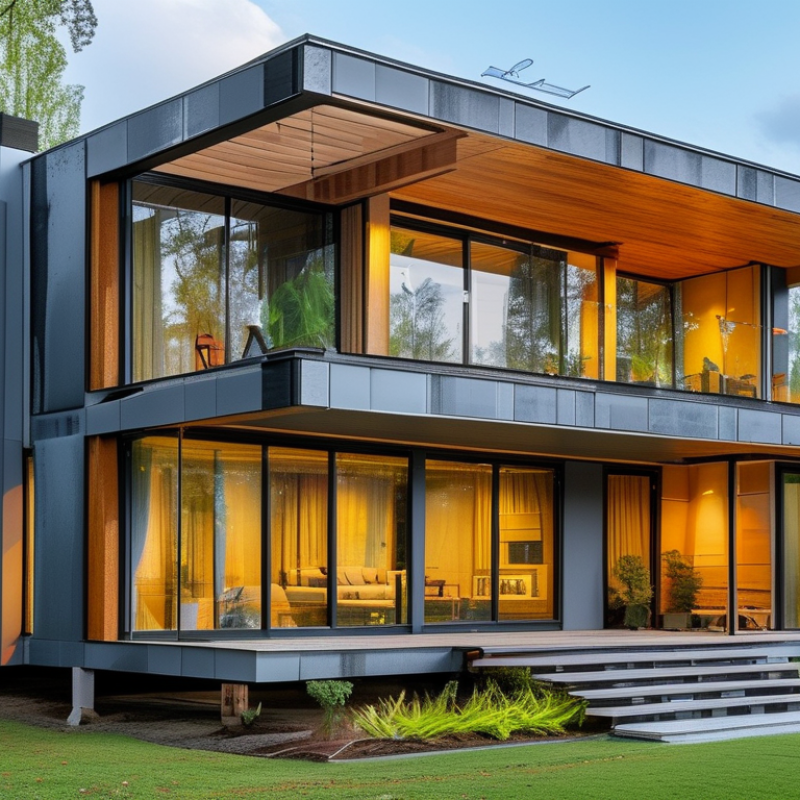
When it comes to prefab home construction, the choice of materials can significantly impact sustainability. One popular option is bamboo. This rapidly renewable resource grows quickly and absorbs a lot of carbon dioxide. Its strength and flexibility make it ideal for various structures. However, sourcing bamboo responsibly is essential to ensure environmental benefits.
Another material gaining traction is recycled steel. It takes less energy to produce than new steel and reduces landfill waste. Using recycled steel means less demand for raw materials. However, it's crucial to ensure that the recycling process itself does not harm the environment. Also, attention to insulation is vital. Materials like cellulose, made from recycled paper, provide excellent thermal performance. However, sourcing cellulose responsibly poses challenges.
Consider natural insulation made from sheep's wool. It is biodegradable and regulates humidity. Despite these benefits, it may be more expensive than synthetic options. Ensuring the sustainability of these materials requires thorough research and verification. The effectiveness of these materials often depends on local availability and proper application techniques. Exploring these sustainable materials can lead to innovative and eco-friendly construction practices.