China Top 10 Soft Lamination Machine Manufacturers?
China’s flexible packaging sector has expanded rapidly, supported by strong machinery manufacturing and export capabilities. A Soft Lamination Machine now serves snack packaging, medical pouches, household products, and industrial films. Yet choosing a supplier is not simply a matter of comparing prices. Coating uniformity, web tension, curing control, adhesive compatibility, and after-sales support can determine whether a production line runs smoothly.
Dr. Kai Zhao, a flexible-packaging process consultant, explains, “Lamination quality is decided long before the web reaches the nip.” This practical observation deserves attention. A machine may look impressive in a showroom, but its real value appears during long production runs. Stable unwinding, accurate metering, clean rollers, and dependable temperature control matter more than polished brochures. Small details matter.
This guide examines China’s top ten Soft Lamination Machine manufacturers through an experience-based and technical lens. It considers machine design, production capacity, customization, export performance, installation support, and user feedback. The list is not absolute. Manufacturer rankings can change with technology, service quality, and market demand. Some companies communicate their strengths clearly; others leave important data difficult to verify.
That uncertainty should not be ignored. Buyers should request trial reports, reference installations, component specifications, and maintenance records before signing contracts. A lower purchase price may create higher costs through waste, downtime, or difficult troubleshooting. The strongest supplier is not always the largest one. It is often the company that understands your film structure, adhesive system, production speed, and local service needs.
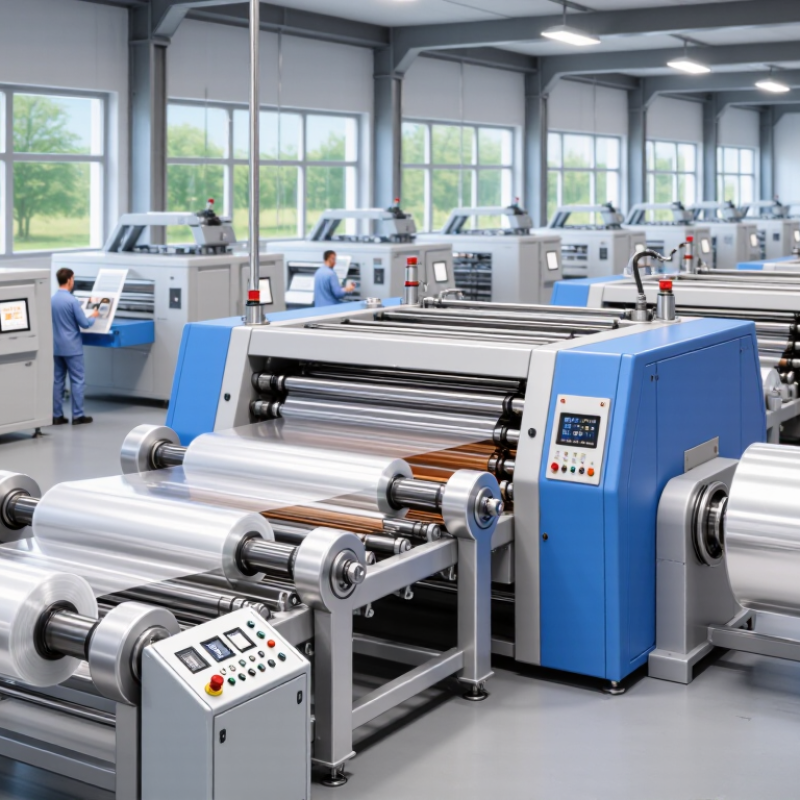
Definition and Applications of Soft Lamination Machines
A soft lamination machine bonds flexible substrates into a multilayer web. Common materials include polyethylene film, polyester, foil, paper, and coated films. The machine applies adhesive, controls web tension, and presses layers through heated or unheated nip rollers. Some systems use solventless, water-based, or solvent-based adhesives. Curing follows before final slitting or pouch production.
Applications are broad. Food producers use laminated webs for stand-up pouches, sachets, and retort packaging. Personal-care products need barrier layers that resist moisture and fragrance loss. Pharmaceutical packaging requires consistent sealing and clean processing. Flexible packaging demand supports this equipment. Smithers’ report, The Future of Global Flexible Packaging to 2028, forecasts continued market growth toward more than 300 billion US dollars by 2028. Grand View Research also identifies barrier performance and lightweight packaging as major market drivers. However, machine output depends heavily on adhesive selection, humidity, operator skill, and curing time. A perfect bond is never automatic.
Tips: Check surface energy before production. Measure coat weight across the web. Keep tension stable near the unwind and rewind sections. Do not judge bond strength immediately. Some structures need several days to cure. In practice, faster production can create more waste when calibration is rushed. This remains an overlooked trade-off. Manufacturers should compare energy use, changeover time, defect rates, and actual output rather than relying only on advertised speed.
Comparison of Technologies, Capacities, and Industry Applications
China’s leading soft lamination machine manufacturers differ greatly in technology, capacity, and application focus. The ten most competitive suppliers commonly offer solventless, solvent-based, and water-based lamination systems. Solventless models reduce drying energy and suit many flexible packaging lines. Solvent-based machines remain useful for demanding barrier structures and high-speed production. Water-based systems support applications where lower emissions are essential.
Machine capacity depends on web width, coating weight, and production speed. Entry-level equipment may handle 600 to 800 millimeters, while industrial lines often exceed 1,300 millimeters. Practical speeds range from 150 to 500 meters per minute. However, maximum speed can hide unstable tension control. Operators should inspect waste rates, curing time, and changeover procedures. A clean unwind station matters more than impressive brochure figures.
Food packaging usually requires precise adhesive application, stable sealing layers, and reliable inspection. Pharmaceutical packaging demands tighter cleanliness and process traceability. Labels and decorative films may prioritize fine coating control over extreme output. In factory visits, buyers should request trial runs using their actual films. Published capacity is not always comparable. Some suppliers measure speed without including setup losses. That weakness deserves attention. A technically advanced machine can still underperform when training, spare parts, or local service are limited. Performance records, safety documentation, and verified customer references provide stronger evidence than rankings alone.
How to Select the Right Soft Lamination Machine Manufacturer
Choosing among China’s top ten soft lamination machine manufacturers requires more than comparing catalog prices. Start with your material, roll width, film thickness, adhesive type, and target speed. A supplier should explain how its machine handles your actual substrate, not an ideal sample. Ask for a live trial using your film and printed stock. Watch tension stability, edge alignment, coating uniformity, and waste during startup. Small defects become expensive at production volume.
Review engineering evidence carefully. Request electrical diagrams, temperature-control ranges, safety documents, and maintenance intervals. Confirm whether critical parts are standard and locally replaceable. Experienced manufacturers can provide test data, reference installations, and clear limits for speed and thickness. Their engineers should answer practical questions without hiding behind vague claims. It matters.
Service quality often decides the purchase. Check commissioning support, operator training, spare-part response time, software updates, and remote troubleshooting procedures. A reliable manufacturer should define warranty coverage in writing and record acceptance criteria before shipment. Compare total ownership cost, including energy use, process compatibility, rollers, and downtime. Do not select the fastest machine automatically; excessive speed may reduce bonding consistency. Production evaluations sometimes reveal failures after impressive demonstrations. Operators may need more training than expected. That risk deserves attention. Leave room for doubt, and test again.
How to Select the Right Soft Lamination Machine Manufacturer
Practical buyer-side evaluation weighting for comparing manufacturers in China
The chart presents a structured 100-point evaluation model rather than company-specific market data. Buyers can prioritize machine performance, lamination quality, after-sales support, compliance, total cost, and delivery capability according to their production requirements. A manufacturer with the highest score should also demonstrate relevant application experience, stable testing results, and clear warranty terms.
