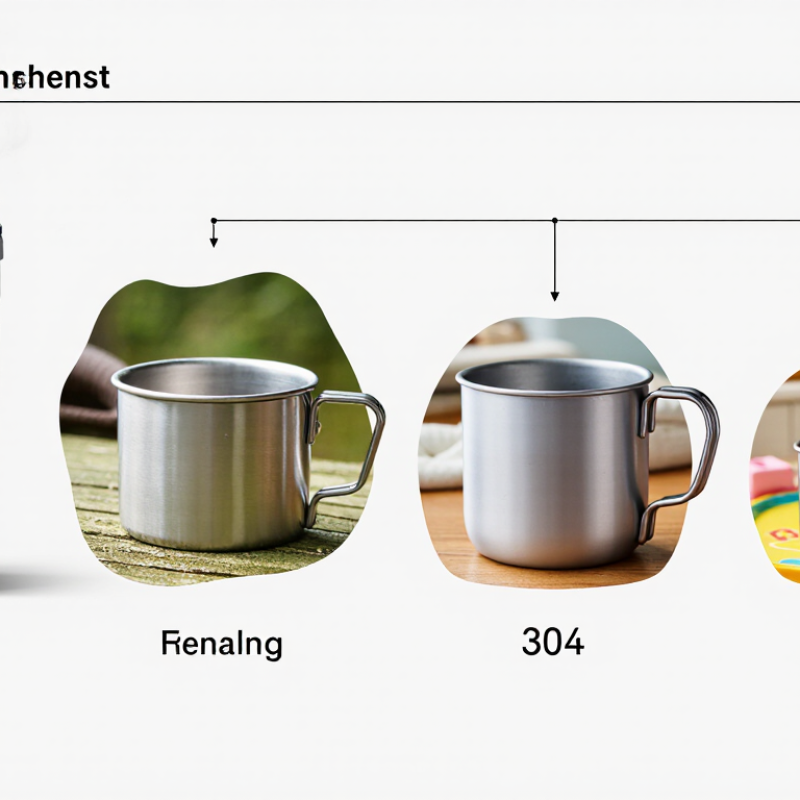
| Single-wall tumbler | One layer of 304 stainless steel; no sealed insulating cavity. | Little insulation. The drink temperature transfers readily through the steel. | Lightweight, simple construction, and generally easy to clean. | The exterior can become hot or cold to the touch; condensation may form with cold drinks. | Short-term serving and everyday use when temperature retention is not important. |
| Double-wall, non-vacuum tumbler | Two steel walls with an air space between them; the space is not evacuated. | Usually better than a single wall, but typically less effective than a vacuum-insulated design. | Provides a more comfortable exterior and some separation from the drink’s temperature. | Performance depends on the gap, materials, lid, and overall design; it should not be assumed to match a vacuum tumbler. | Casual use where moderate temperature buffering is sufficient. |
| Double-wall vacuum tumbler | Two walls enclose an evacuated space that reduces heat transfer through conduction and convection. | Generally strong temperature retention when the vacuum seal and lid design are effective. | Helps keep drinks hot or cold while the exterior remains more comfortable to hold. | Actual performance varies with wall design, lid fit, fill level, and use; the lid can be a significant path for heat loss. | Travel, commuting, and keeping drinks at temperature for longer periods. |
| Vacuum tumbler with a copper-coated layer | Double-wall vacuum construction with a thin reflective copper layer on a surface within the wall assembly. | The vacuum limits conduction and convection; the reflective layer can reduce radiant heat transfer. | Adds a design measure intended to improve thermal efficiency without changing the basic vacuum principle. | A copper layer does not replace the vacuum space, and its presence alone does not establish a specific retention time. | Users comparing enhanced vacuum-wall designs, subject to verified product testing. |
| Vacuum tumbler with a coated interior | Double-wall vacuum body with a food-contact coating applied to the inside surface. | Insulation comes primarily from the vacuum wall construction, not the interior coating. | The coating may change the drinking surface or make certain stains easier to remove, depending on its material and care instructions. | Coating durability and cleaning requirements vary; follow the product’s care guidance and avoid abrasive cleaning if advised. | Users who prefer a coated drinking surface while retaining vacuum-insulated construction. |