Top 10 Aeration Processes in Wastewater Treatment Explained?
The importance of the Aeration Process In Wastewater Treatment cannot be underestimated. With the growing concerns over environmental sustainability, effective aeration methods have gained immense attention. These processes play a crucial role in removing pollutants from wastewater.
Aeration involves introducing air into the treatment system. This encourages the growth of aerobic bacteria, which break down organic matter. Various techniques have been developed, each with unique benefits and challenges. Understanding these processes is essential for optimizing treatment efficiency and meeting regulatory standards.
Despite advancements, many facilities struggle to select the best method. Factors such as cost, efficiency, and maintenance requirements create complexities. An informed decision can greatly influence overall water quality. Exploring the top 10 aeration processes will shed light on these essential techniques, revealing their strengths and weaknesses. This knowledge is vital for professionals in the field.
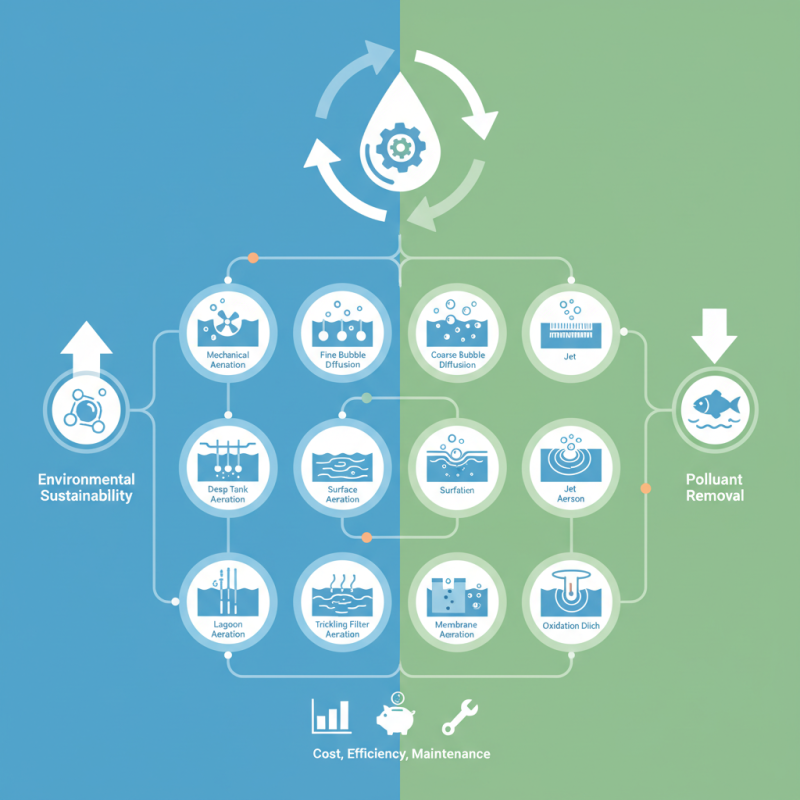
Overview of Aeration Processes in Wastewater Treatment
Aeration processes play a crucial role in wastewater treatment. They enhance biological activity by increasing the contact between microorganisms and organic matter. This promotes the breakdown of pollutants. Various aeration methods exist, each with unique strengths and challenges.
The most common types include surface aerators, diffused aeration, and mechanical aeration. Surface aerators involve large blades that mix water, exposing it to air. Diffused aeration injects air through fine bubbles. This method is efficient but can lead to maintenance issues over time. Mechanical aeration uses rotating devices to stir the wastewater and introduce oxygen. Each method varies in cost and operational complexity, requiring careful consideration when implemented.
A significant aspect of these processes is energy consumption. Inefficient systems can lead to higher operational costs. Additionally, understanding local water quality is vital. It influences the effectiveness of aeration methods. Regular monitoring and adaptation are necessary for optimal performance. While progress has been made, there is always room for improvement. Integrating more sustainable practices could enhance overall efficiency.
Importance of Aeration in Enhancing Wastewater Quality
Aeration is a critical process in wastewater treatment. It enhances the quality of water by promoting the growth of beneficial microorganisms. These microorganisms break down organic matter, improving overall water clarity and safety. This is especially important in urban areas, where wastewater is generated in large quantities. The presence of oxygen aids in the degradation of pollutants, transforming them into harmless substances.
When designing aeration systems, it's essential to consider factors like oxygen transfer efficiency. Not all aeration methods provide the same results. For example, diffused aeration and surface aeration offer different benefits and limitations. Operators must regularly monitor these systems for optimal performance. Adjustments may be necessary based on seasonal changes and varying wastewater characteristics.
Tips for effective aeration include ensuring proper airflow. An adequate supply of air can significantly affect the biological treatment process. Operators should also consider periodic maintenance checks. This prevents failures that could compromise water treatment. Keeping aerators clean enhances efficiency, ensuring the desired water quality is consistently achieved. It's crucial to reflect on the limitations of existing systems and invest in improvements when necessary.
Top 10 Aeration Processes in Wastewater Treatment
Aeration is a crucial process in wastewater treatment as it enhances the removal of impurities by promoting the biological degradation of organic materials. Below are the top 10 aeration processes along with their effectiveness in reducing BOD (Biochemical Oxygen Demand):
Top Techniques for Aeration: A Comparative Analysis
Aeration is crucial for effective wastewater treatment. Various techniques exist, each with its own strengths. Understanding these options helps in selecting the right process. The best methods include activated sludge, trickling filters, and membrane aerated biofilm reactors.
Activated sludge systems are widely used. They promote microbial growth through aeration. This method effectively breaks down organic matter. However, it can be energy-intensive. Tricking filters, on the other hand, use a stationary surface for biofilm growth. This can be less energy demanding. Yet, they may require more space and can be less efficient in colder conditions.
Membrane aerated biofilm reactors are emerging technologies. They provide high oxygen transfer rates. These devices are compact and efficient. Nevertheless, the initial setup costs can be high. Each aeration method has its pros and cons. Knowing them allows for better decision-making in wastewater treatment strategies.
Factors Influencing the Efficiency of Aeration Processes
Aeration processes are crucial in wastewater treatment. Effectiveness varies with several factors. The design of aeration systems must consider the type of wastewater. Organic load greatly influences oxygen demand. High levels of biodegradable material can increase the required aeration time.
Another important aspect is aeration techniques. Different methods, such as surface aerators or diffused aeration, each have unique efficiencies. For instance, surface aerators are effective in smaller ponds but may struggle with deeper water. Meanwhile, diffused aeration systems can provide more uniform air distribution. However, they require careful maintenance to prevent clogging.
The temperature of the wastewater also plays a vital role. Warm water holds less oxygen, impacting microbial activity. Additionally, the retention time in aeration tanks affects treatment efficiency. Too short a time can limit contact with microorganisms. Balancing these factors is essential for optimal aeration and treatment performance.
Future Trends in Aeration Technologies for Wastewater Management
Aeration technologies are evolving to enhance wastewater management effectively. Innovations aim to optimize oxygen transfer rates while minimizing energy consumption. Recent studies indicate that advanced aeration systems can reduce energy use by 30% compared to traditional methods. The global wastewater treatment market projected growth to USD 450 billion by 2027 underscores the increasing demand for innovative technologies.
One notable trend is the integration of artificial intelligence (AI) in aeration systems. AI helps monitor and adjust aeration processes in real time, ensuring optimal conditions for microbial activity. This technology not only enhances treatment efficiency but also contributes to operational cost savings. Reports show that facilities using AI-enabled systems observe a significant reduction in chemical usage and better treatment outcomes.
Tips: Regular maintenance of aeration systems is crucial. It can prevent efficiency losses and costly repairs. Additionally, consider pilot testing new technologies before full-scale implementation. Testing new solutions can help identify potential issues and ensure smooth transitions. Innovation in aeration is critical, but challenges remain. Adapting to these changes requires careful planning and ongoing evaluation. Balancing cost and performance will impact the future of wastewater management.
