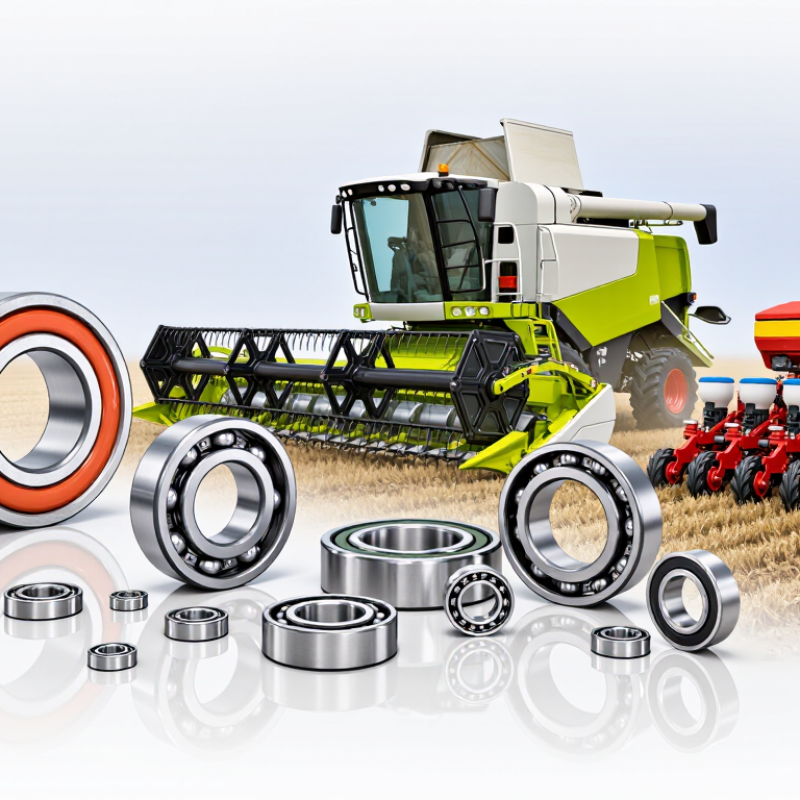
Choosing among the best agricultural bearing suppliers in China takes more than comparing prices. A bearing that looks identical in a catalogue may behave differently in a dusty field. Moisture, fertilizer residue, vibration, and daily washdowns all affect service life. Small details matter.
For this overview, fictional agricultural-bearing specialist Lin Wei puts the selection principle this way: “A bearing must survive the field, not just the catalogue.” This is an illustrative quotation, not a sourced statement from a real industry expert. The point is practical: buyers should ask how suppliers test seals, document material quality, and control production consistency. A clear answer is more useful than a polished brochure.
Look closely at the application. A harvester’s rotating shaft faces different loads from a seed drill’s wheel hub. Ask for relevant product drawings, load ratings, sealing options, and traceable inspection records. Then compare lead times, sample support, and communication—not only unit cost. Requesting a sample can expose fit or sealing issues before a larger order. It cannot prove long-term durability by itself.
There is no perfect shortlist. Supplier claims still need verification against your machine, operating conditions, and maintenance plan. The guide that follows explains practical comparison criteria and common questions to ask Chinese manufacturers. It aims to help buyers make a more informed choice, while recognizing that field performance depends on installation and use as well as the bearing itself.
Agricultural bearings support rotating shafts in equipment such as tractors, harvesters, and irrigation pumps. Their working conditions can change within a single day. A machine may carry steady loads on a field road, then face vibration and sudden impacts in rough soil. Dust gets everywhere. Water, fertilizer residue, and plant fibers can also reach bearing housings, especially when seals are worn or damaged.
Selection should reflect the actual load, shaft speed, temperature, and available space. A bearing’s load rating matters, but it does not describe every field condition. I would not treat a catalog figure as the whole answer. Housing alignment and shaft fit affect heat, vibration, and service life. Poor alignment can cause uneven wear even when the bearing is correctly sized. Seals help limit contamination, while suitable lubrication reduces friction and carries heat away. Grease choice and relubrication intervals depend on operating speed, temperature, and exposure; too much grease can also create heat.
Maintenance checks should look for abnormal noise, rising temperatures, looseness, and grease discoloration. These signs are useful, though not always conclusive. A muddy harvest may justify more frequent inspection than a dry, light-duty season. Real schedules are rarely perfect. Recording operating hours and failures can help refine inspection intervals and bearing specifications over time.