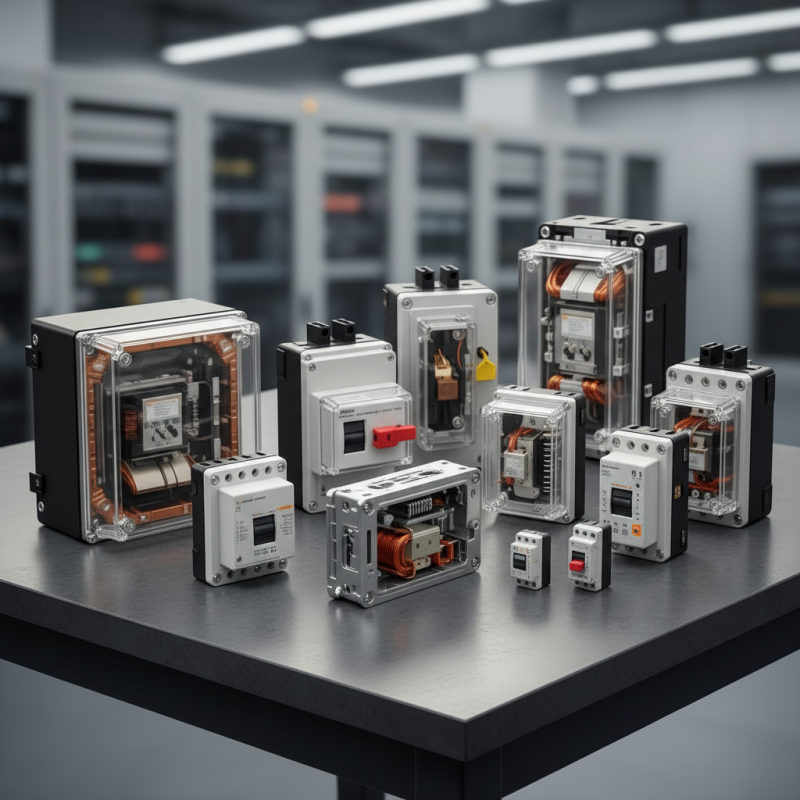
| Miniature Circuit Breakers (MCB) | Compact, lightweight, designed for low voltage applications. | Cost-effective, easy installation. | Limited to low current applications. | Regular testing; ensure proper voltage ratings. |
| Earth Leakage Circuit Breakers (ELCB) | Detects earth faults and disconnects supply. | Increases safety; prevents electrical shock. | Sensitivity to nuisance trips. | Monthly tests; clear debris around terminals. |
| Residual Current Devices (RCD) | Protects against electric shock by disconnecting circuits. | High level of protection; sensitive. | Prone to false tripping on wet conditions. | Test every 6 months; check for water ingress. |
| Air Breaker | Uses air to extinguish the arc during interruption. | High current capacity; reliable. | Requires maintenance to ensure air quality. | Inspect air filters regularly; maintain proper sealing. |
| Oil Circuit Breaker (OCB) | Utilizes oil for insulation and arc extinction. | Excellent insulation; reliable performance. | Environmental concerns relating to oil. | Monitor oil levels; ensure no leaks. |
| Vacuum Circuit Breaker (VCB) | Operates within a vacuum environment to interrupt current. | High reliability; low maintenance. | Higher initial installation costs. | Check vacuum integrity; inspect contacts regularly. |
| Sulfur Hexafluoride (SF6) Breaker | Uses SF6 gas for insulation and arc extinction. | Excellent insulating properties; compact design. | High cost; environmental concerns. | Regular leak testing; monitor gas levels. |
| Smart Circuit Breakers | Integrates IoT technology for monitoring and control. | Remote monitoring; energy management. | Dependency on technology; potential connectivity issues. | Regular software updates; ensure network stability. |
| Hydraulic Circuit Breaker | Utilizes hydraulic pressure for operation. | Strong performance; suitable for high current. | Complex mechanics; possible maintenance issues. | Inspect hydraulic fluid levels regularly; check seals for leaks. |
| Thermal Circuit Breakers | Uses heat to trigger the circuit interruption. | Affordable; reliable for overload protection. | Slower response time for short circuits. | Routine testing; ensure proper ambient conditions. |