| Industry scale | China produced approximately 1,019.1 million metric tonnes of crude steel in 2023. | This indicates the scale of China’s overall steelmaking base, but it is not a measure of alloy steel production alone. | World Steel Association, 2023 crude steel production statistics. |
| Industry scope | Alloy steel contains intentionally added alloying elements—such as chromium, nickel, molybdenum, vanadium, or silicon—to achieve specified properties. Classification can vary by standard and product category. | Confirm the applicable grade standard and product specification rather than relying on the general term “alloy steel.” | Definitions and classifications depend on the relevant material standard. |
| Common product families | Alloy structural steel, high-strength low-alloy structural steel, bearing steel, and tool and die steel are important product families. Stainless steel is also alloyed steel in the broad metallurgical sense, but is commonly treated as a separate product category. | Identify the product family first, since each has different performance requirements, processing routes, and inspection criteria. | General steel-industry product classifications. |
| Chinese alloy structural steel standard | GB/T 3077-2015 is the Chinese national standard titled “Alloy Structure Steels.” | Use the required standard edition when specifying grade, chemical composition, heat treatment, and acceptance criteria. | GB/T 3077-2015. |
| Chinese structural steel standard | GB/T 1591-2018 is the Chinese national standard titled “High Strength Low Alloy Structural Steels.” | Relevant to specified structural-steel applications; verify the required grade and delivery condition against the project specification. | GB/T 1591-2018. |
| Examples of alloy structural grades | Examples found in Chinese alloy-structural-steel specifications include 20Cr, 40Cr, 20CrMnTi, and 42CrMo. | Grade names alone do not define all requirements. Confirm the standard, size, heat-treatment condition, and inspection requirements. | Grade examples associated with GB/T 3077. |
| Typical applications | Alloy steels are used in components such as gears, shafts, fasteners, bearings, tooling, and machinery parts, depending on the grade and product form. | Match material selection to required strength, wear resistance, toughness, fatigue performance, and operating environment. | Applications vary by grade, design, and service conditions. |
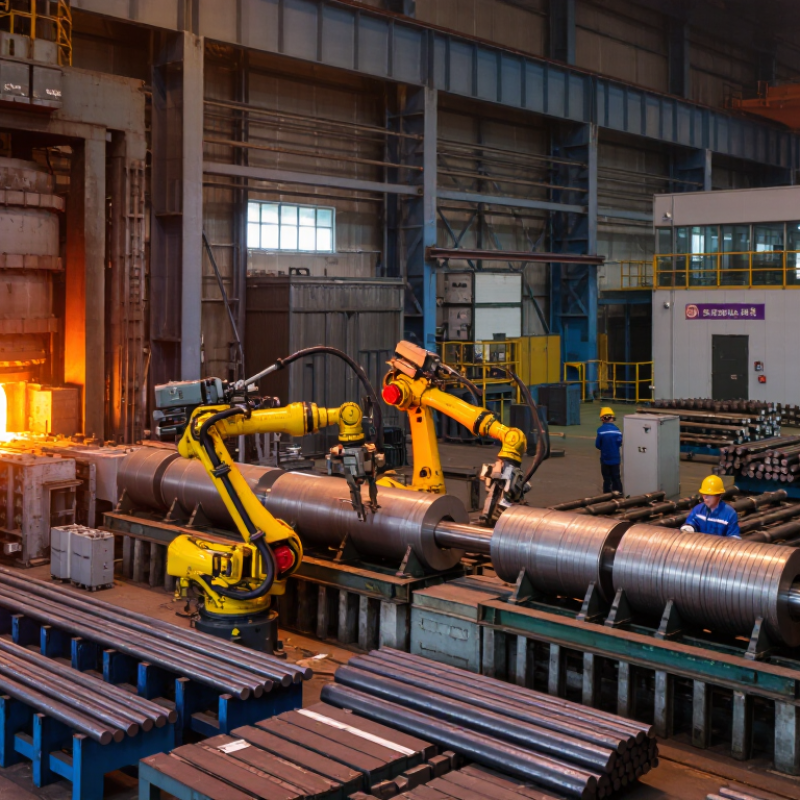
| Production and processing | Steelmaking may use basic oxygen furnace or electric arc furnace routes. Subsequent operations can include secondary refining, continuous casting, rolling, heat treatment, and finishing. | Ask which process and delivery condition apply to the specific product; these influence consistency and final properties. | Common steel-industry process routes; actual routes vary by producer and product. |
| Quality verification | Typical checks may include chemical composition, dimensions, tensile properties, impact properties where specified, hardness, metallography, and non-destructive testing where required. | Define test methods, sampling frequency, acceptance limits, traceability, and certificate requirements in the purchase specification. | Inspection scope should follow the governing standard and buyer’s specification. |
| Procurement considerations | Key specification details include grade, product form, dimensions, standard and edition, heat-treatment condition, quantity, surface condition, and required documentation. | Providing complete requirements helps suppliers quote comparable products and reduces ambiguity during inspection and delivery. | General purchasing guidance; requirements depend on the application. |