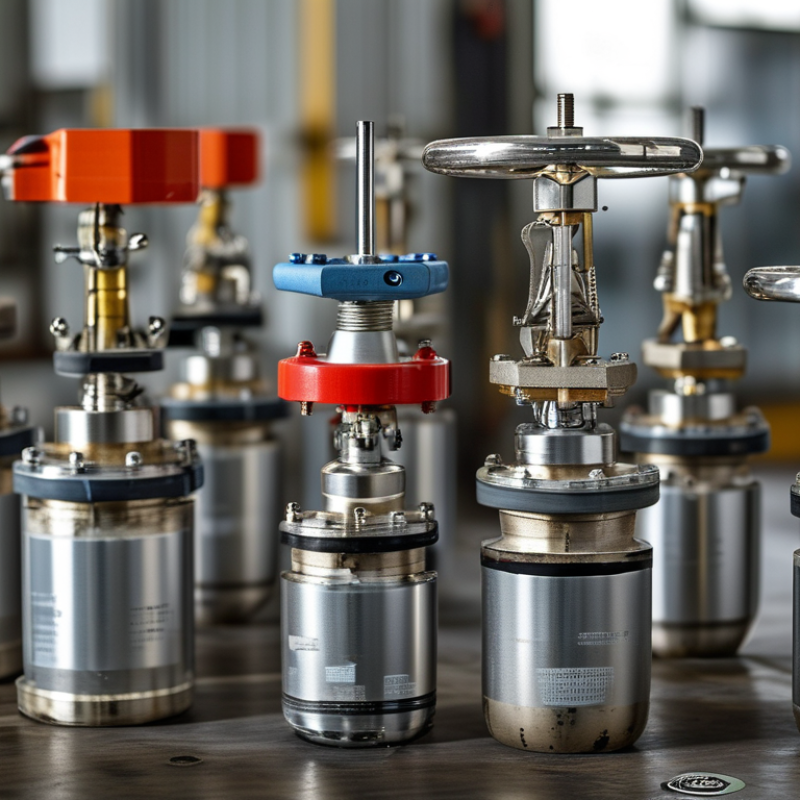
| Valve Definition | A bellows sealed gate valve uses a welded metal bellows around the stem to create a pressure boundary and minimize stem leakage to the atmosphere. | It is suited to processes where fugitive-emission control or protection from toxic, hazardous, radioactive, or high-purity media is important. | Confirm that the design uses a metallic bellows seal rather than only a conventional packing arrangement. |
| Primary Valve Function | Gate valves are primarily isolation valves. The gate normally moves perpendicular to the flow path and is intended for fully open or fully closed service. | Throttling can cause vibration, erosion, and damage to seating surfaces. | Check the operating procedure and confirm that the valve is not being selected for continuous flow regulation. |
| Bellows Construction | Common bellows materials include stainless steel and nickel-based alloys, selected according to pressure, temperature, corrosion, and cycle requirements. | Material compatibility and fatigue resistance directly affect service life. | Request the bellows alloy, number of plies, weld procedure, design life, and corrosion-resistance assessment. |
| Bellows Type | Formed bellows may be used for some applications, while welded bellows are commonly selected when controlled geometry and high cycle reliability are required. | The manufacturing method influences flexibility, fatigue performance, and inspection requirements. | Review bellows drawings, weld inspection records, pressure-test results, and cycle-test documentation. |
| Typical Nominal Size | Commercial product ranges commonly cover small and medium process-piping sizes, with exact availability depending on pressure class and design standard. | Larger sizes can require greater operating torque, larger bellows, and more demanding structural design. | Match nominal size, outside diameter, wall thickness, face-to-face length, and end-connection dimensions to the piping specification. |
| Pressure Classes | Common flanged designs are specified using pressure classes such as ASME Class 150, 300, 600, 900, and higher, subject to the valve design. | Allowable pressure decreases as temperature rises and depends on the pressure-rating material group. | Verify the pressure-temperature rating table, not only the nominal class marking. |
| Temperature Capability | Temperature capability is determined by body, trim, seat, gasket, packing backup, bellows alloy, and pressure-rating limitations; no single temperature range applies to every design. | Cryogenic, high-temperature, and thermal-cycling applications require different materials and qualification methods. | Obtain a certified pressure-temperature curve for the exact material combination and configuration. |
| Body Materials | Typical body options include carbon steel, stainless steel, and selected alloy steels or nickel alloys for corrosive, high-temperature, or low-temperature service. | The body must withstand the process chemistry, pressure, temperature, and external environment. | Confirm material grade, heat-treatment condition, impact-test requirements, and material certificates. |
| Seat and Gate Arrangement | Configurations may include resilient or metal-seated designs, and solid or flexible wedge arrangements, depending on service conditions and applicable standards. | Seat design affects shutoff performance, temperature tolerance, particle tolerance, and maintenance requirements. | Specify leakage acceptance criteria and require seat-material compatibility with the process fluid. |
| Stem Sealing Principle | The bellows provides the primary dynamic stem barrier. A secondary packing arrangement is often retained above the bellows as a backup and for containment if the bellows fails. | Dual containment improves operational safety and supports maintenance planning. | Confirm the secondary seal arrangement and whether the bonnet can be monitored or tested. |
| Fugitive-Emission Performance | Bellows sealing is designed to reduce stem emissions compared with a packing-only stem seal, but performance depends on design, testing, installation, and operating conditions. | This is important for volatile organic compounds, toxic gases, and regulated process plants. | Request an emissions test report to the project-required standard and test class. |
| Applicable Standards | Relevant references may include ASME B16.34 for valve pressure-temperature design and testing requirements, API 600 or EN 13709 for gate-valve design, and MSS SP-117 for bellows-sealed valve guidance. | Standards establish consistent requirements for dimensions, materials, pressure testing, and documentation. | Identify the governing standard and edition in the purchase specification. |
| Pressure Testing | Typical testing includes body or shell testing, seat leakage testing, and, where specified, bellows or bonnet integrity testing. | Testing confirms pressure-boundary integrity and shutoff performance before shipment. | Require test procedures, acceptance criteria, calibrated instrument records, and final test certificates. |
| Bellows Cycle Life | Cycle life is application-specific and depends on bellows geometry, stroke, material, pressure, temperature, alignment, and operating frequency. | Frequent operation can create fatigue damage even when static pressure is within the rating. | Compare the stated cycle rating with the expected operating cycles and thermal transients. |
| Actuation and Torque | Manual handwheels are common for smaller valves; gear operators, electric actuators, or other actuators may be used for larger sizes or remote operation. | Incorrect actuator sizing can prevent full closure or overstress the stem and bellows assembly. | Request breakaway torque, running torque, maximum stem thrust, travel, and actuator-sizing calculations. |
| End Connections | Common options include raised-face flanges, ring-type joint flanges, butt-weld ends, and socket-weld ends, subject to size and pressure class. | Connection selection affects installation, heat input, maintenance access, and leak-tightness. | Verify flange facing, bore, schedule, welding details, dimensions, and applicable piping code. |
| Service Applications | Typical applications include chemical processing, petrochemical systems, power generation, vacuum service, high-purity processes, hazardous-gas handling, and heat-transfer systems. | The bellows design is valuable where external leakage is more critical than the lowest initial purchase cost. | Evaluate media toxicity, volatility, cleanliness, corrosivity, pressure, temperature, and operating frequency. |
| Main Advantages | Reduced stem leakage, improved containment, suitability for hazardous media, and reduced dependence on frequent packing adjustment. | These benefits can lower environmental, safety, and maintenance risks. | Compare total cost of ownership, inspection requirements, replacement parts, and downtime exposure. |
| Main Limitations | Bellows sealed gate valves generally cost more than packing-only valves and require careful control of alignment, stroke, vibration, and operating cycles. | A bellows failure can require bonnet or valve replacement, depending on the design and repair provisions. | Review repairability, spare-bellows availability, inspection intervals, and failure-containment procedures. |
| Manufacturer Qualification Criteria | A qualified manufacturer should demonstrate controlled design, traceable materials, documented welding and inspection procedures, pressure testing, emissions testing when required, and consistent quality records. | Technical capability and documented quality systems are more meaningful than product claims alone. | Use a technical bid evaluation covering standards, drawings, certificates, test reports, quality plans, and after-sales support. |