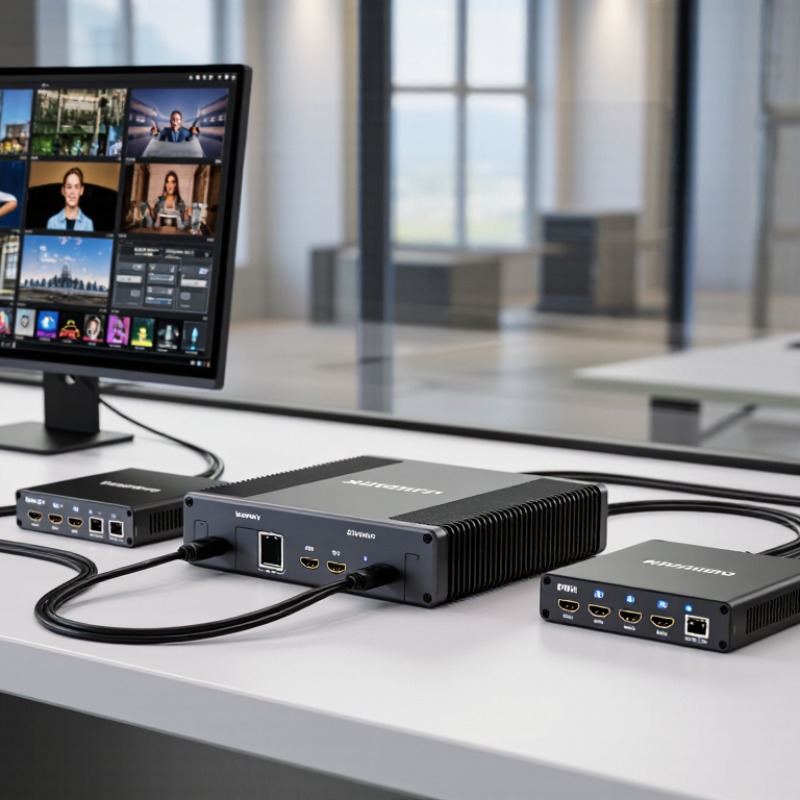
China’s HDMI extender TX supplier landscape includes factories, engineering firms, and export-oriented manufacturers. Many produce transmitter units for education, retail, hospitality, and control-room installations. Experienced suppliers usually explain signal distance, cable categories, EDID handling, HDCP support, and power requirements before quoting. That technical conversation matters more than a low unit price.
A dependable supplier should provide test records for 4K resolution, audio transmission, heat performance, and long operating periods. Ask for samples from the same production line. Inspect the enclosure, connector alignment, labeling, and included power adapters. Some suppliers support OEM housing and firmware adjustments, while others only offer fixed designs. Confirm minimum order quantities, lead times, spare-parts policies, and packaging standards in writing.
Details reveal capability.
Factory audits can check assembly discipline, warehouse humidity, and traceability codes. Request evidence of applicable safety and electromagnetic compatibility testing for your destination market. Certificates alone are not enough; documents may not match the exact model. A practical evaluation uses several TX units across different display devices and cable lengths. Testers should also examine restart behavior after power loss. I have seen impressive samples fail during overnight testing. That weakness deserves discussion, not concealment. Supplier communication can also become uneven after the first order, especially when specifications remain informal. A signed technical sheet, inspection plan, and acceptance criteria reduce that risk.