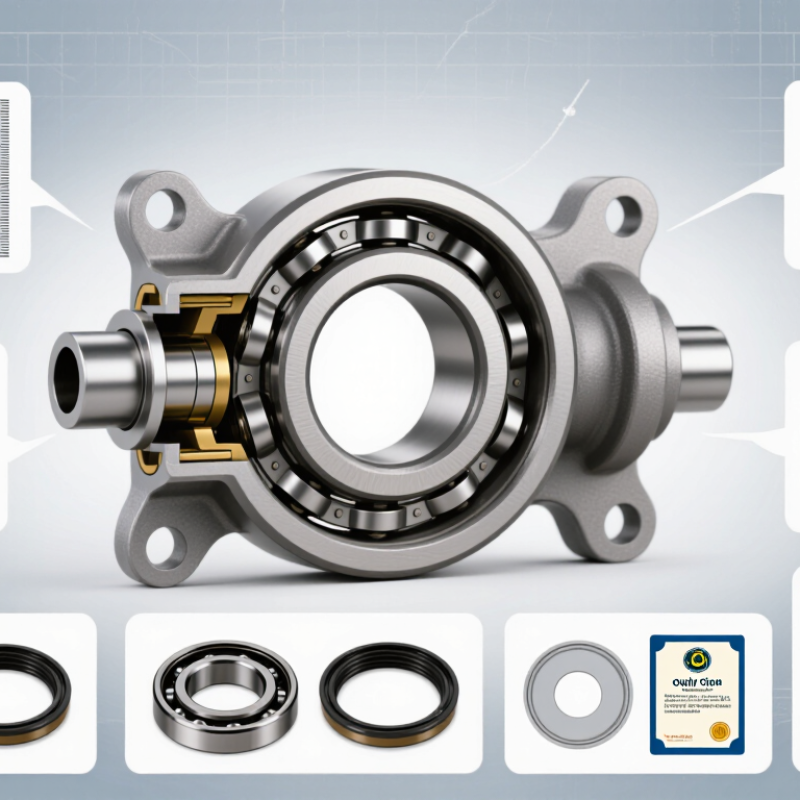
| Product identification | Confirm the offered unit matches the LP207 configuration and the intended application. | Request a dimensioned drawing and product description. LP207 commonly refers to a P207-type housing paired with a UC207 insert; confirm the supplier’s exact construction and drawing. | 10% |
| Shaft and mounting dimensions | Check bore, housing footprint, bolt spacing, mounting slots, and overall height against the machine drawing. | A UC207 insert is commonly specified for a 35 mm nominal shaft. Treat this as a reference only; approve the supplier’s drawing and tolerances before ordering. | 15% |
| Load and speed suitability | Compare dynamic and static load ratings, permissible speed, and operating conditions with the application requirements. | Obtain the rating data for the exact insert and unit configuration. Check load direction, shock, start-stop duty, temperature, and any applicable service factor with the design engineer. | 15% |
| Materials and construction | Verify housing material, insert components, locking method, and suitability for the environment. | Cast iron housings and set-screw locking inserts are common in this product type, but configurations vary. Request material specifications and confirmation of the locking arrangement. | 10% |
| Sealing and lubrication | Check seal design, grease type, relubrication provision, and expected exposure to dust, moisture, or washdown. | Request seal details and lubrication instructions for the offered unit. Confirm whether relubrication is supported and whether the supplied grease is appropriate for the operating temperature and environment. | 10% |
| Inspection and quality control | Review incoming-material checks, dimensional inspection, assembly controls, and final inspection records. | Ask for a sample inspection report tied to the quoted specification, including measured critical dimensions and the supplier’s acceptance criteria. Agree on any required pre-shipment inspection in the purchase order. | 10% |
| Traceability and documentation | Determine whether production batches and shipment records can be identified and traced. | Request batch or lot identification, a commercial packing list, and a certificate of conformity when required. Ensure documents refer to the agreed part description and revision. | 8% |
| Sample and application validation | Test a production-representative sample before committing to volume orders. | Check fit on the intended shaft and mounting surface, locking security, noise, temperature, and performance under representative operating conditions. | 8% |
| Production capacity and delivery | Assess quoted lead time, available production capacity, and the supplier’s process for handling schedule changes. | Obtain a written lead-time estimate for samples and production quantities. Confirm the delivery term, shipment method, packaging details, and how delays will be communicated. | 6% |
| Commercial terms and support | Compare total landed cost, minimum order quantity, payment terms, warranty terms, and response to technical questions. | Evaluate the complete quotation rather than unit price alone. Confirm exclusions, claim procedures, replacement terms, and the contact process for technical or quality issues. | 8% |