Top CNC Accessories You Need for Your Machining Projects?
In the world of machining, the right tools can make all the difference. CNC Accessories are essential for maximizing the performance of your CNC machines. These components not only enhance functionality but also improve precision and efficiency. Investing in quality CNC accessories can elevate your projects to new heights.
Choosing the right accessories can be challenging. With so many options available, it is easy to feel overwhelmed. Some accessories may not fit your specific needs, leading to wasted time and resources. Remember that the best accessories align with your projects’ requirements. Understanding their importance is crucial for your success.
Paying attention to detail is vital. Each accessory plays a role in achieving accurate results. Incorrect accessories can lead to frustration and mistakes. Researching and selecting the right CNC accessories will help your projects run smoothly. Embrace the learning curve and refine your choices for the best outcomes.
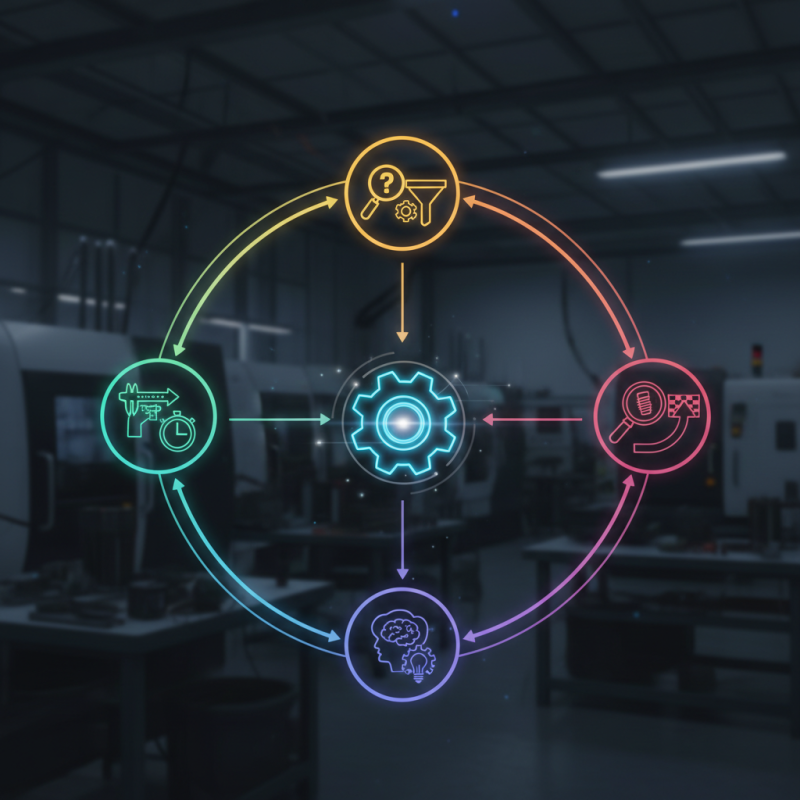
Top CNC Accessories for Enhanced Precision in Machining Projects
CNC machining relies heavily on precision. The right accessories can significantly enhance your outcomes. According to recent industry reports, utilizing high-quality tool holders can improve accuracy by up to 25%. Proper tool holders ensure minimal vibrations and better grip during operation.
Another vital accessory is the coolant system. Effective cooling prevents overheating and maintains consistent cutting speeds. Data suggests that machines equipped with advanced cooling systems extend tool life by about 30%. This longevity leads to reduced downtime and cost savings in the long run. However, many users overlook regular maintenance of these systems.
Lastly, workholding devices are crucial for stability. Securely clamping workpieces provides better precision during machining. Research indicates that improper workholding can result in a 15% increase in errors. Understanding how to select and use these accessories can make a world of difference in your projects. Mistakes often stem from inadequate setups. Reflect on what works and what doesn’t, and continuously strive for improvement.
Essential Cutting Tools: Types and Their Impact on CNC Performance
When it comes to CNC machining, cutting tools play a crucial role in performance. The choice of tool directly affects precision, efficiency, and the overall quality of the final product. According to recent industry reports, around 70% of machining costs stem from cutting tool management. This highlights the need to select the right types of cutting tools for specific applications.
In the realm of CNC performance, various cutting tools can dramatically impact productivity levels. For instance, carbide tools are known for their longevity and resistance to wear, extending tool life significantly. Reports show that switching from high-speed steel to carbide can increase tool life by up to 50%. However, not all projects require high-end materials. Some may benefit from more economical options, even if it means sacrificing certain precision attributes.
Additionally, the geometry of cutting tools matters. Different shapes can yield different effects on machining processes. For example, tools with a higher number of flutes can increase feed rates but may result in chip removal difficulties. An imbalance between tool geometry and machining speed can lead to diminished performance. Ultimately, recognizing these nuances is essential for optimizing CNC operations.
Measuring Instruments: Ensuring Accuracy in CNC Machining Processes
In CNC machining, accuracy is paramount. The role of measuring instruments can't be overstated. They help ensure that each cut and contour is precise. Without accurate measurements, even the best-designed projects can fail. It’s easy to overlook the importance of small gauges or calipers, but they’re vital.
Effective measuring tools include calipers, micrometers, and height gauges. Each tool serves a unique purpose. A caliper can measure internal and external dimensions. A micrometer offers more precision for small measurements. However, operators sometimes rush and misread these instruments. This can lead to errors in dimensions that cost time and materials.
Regular calibration is essential to maintain accuracy. If tools are not calibrated, their reliability decreases. It’s common to find operators relying too much on one tool. Having a variety ensures versatility and minimizes risk. Always check your methods and tools. Reflect on your processes to find areas for improvement. Accurate measurements create a foundation for successful machining.
Workholding Solutions: Maximizing Stability and Efficiency in CNC Operations
When engaging in CNC machining, stability is key. Effective workholding solutions can greatly improve both accuracy and efficiency. Devices like vises and clamps are common choices. However, their effectiveness often depends on the specific project. An ill-fitted clamp can cause misalignments, resulting in costly errors. Precision is lost when parts shift unexpectedly.
Additionally, consider the workspace's layout. A cluttered area can lead to accidents and hinder performance. It’s important to have everything organized and within reach. This can make a significant difference in workflow. Many users overlook how their setup affects the end product. A stable hold is not just about the accessories, but about the overall environment.
Investing in higher-quality materials can pay off. Affordable options might seem tempting, but they often lead to more frequent errors. Reflecting on past projects, it is clear that the cheapest solutions can become the most expensive in the long run. Balancing budget constraints with quality necessities is a continual challenge. Each project offers a lesson in the importance of stability and proper workholding.
Top CNC Accessories for Enhanced Machining Projects
Tool Management Systems: Streamlining Workflow and Reducing Downtime
Effective tool management can significantly enhance machining processes. A well-organized system reduces downtime and keeps projects on track. When tools are easily accessible, operators can switch between tasks smoothly. This streamlining often leads to better productivity. The right accessories play a role here, integrating with management systems effectively.
However, not all systems flawless. Some setups may still lead to confusion or time loss. Regular evaluation of the tool inventory is essential. This includes checking which tools are used frequently and which ones are gathering dust. A proactive approach prevents these pitfalls. Organizing tools by type or function may improve efficiency. The goal is to create a seamless workflow where every tool has its place.
Training staff on the management system is crucial, yet often overlooked. Operators should fully understand how to utilize the tools available. Misunderstandings can create costly delays. Allow room for feedback, refining processes as needed. Optimization is a continuous journey, not a destination. Finely tuned systems help keep operations running smoothly, despite inherent challenges.
Top CNC Accessories You Need for Your Machining Projects
| Accessory | Description | Benefits | Estimated Cost |
| Tool Holder | Secures cutting tools in CNC machines for stable operation. | Improves machining precision and reduces tool wear. | $50 - $300 |
| CNC Router Bits | Specialized bits designed for routing various materials. | Offers cleaner cuts and enhanced finish quality. | $10 - $200 |
| Collet System | Device for gripping cutting tools in CNC machines. | Ensures high accuracy and quick tool changes. | $30 - $150 |
| Workholding Jigs | Devices that hold the workpiece in place during machining. | Enhances accuracy and reduces setup time. | $100 - $500 |
| Cooling Systems | Systems used to cool the cutting tool and workpiece. | Reduces tool wear and avoids overheating. | $200 - $1000 |
