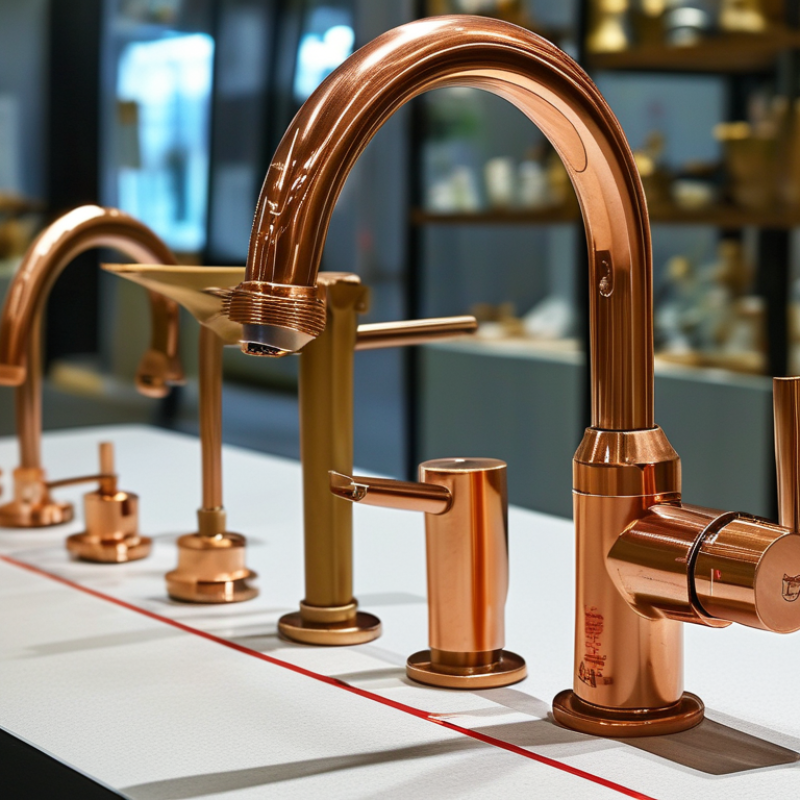
Selecting the right copper tap manufacturer requires more than comparing catalog prices. Start by checking the material specification. Ask whether the tap uses a certified copper alloy, a dezincification-resistant grade, or another approved composition. Request laboratory reports, pressure-test records, and surface-finish samples.
Inspect the factory’s production controls. Reliable manufacturers should show casting, machining, polishing, assembly, and testing procedures. A clear batch number helps buyers trace each tap back to its raw material and inspection record. Ask for samples before placing a large order. Turn the handle repeatedly. Check for uneven plating, rough threads, leaks, and stiff movement. Small defects often become expensive after installation.
Global buyers should match the manufacturer’s documents with the destination market. Confirm water-contact safety reports, dimensional standards, packaging requirements, and available test certificates. Also review minimum order quantities, tooling ownership, lead times, replacement parts, and warranty handling. A supplier may offer an attractive price but provide weak technical support. That risk matters.
I once saw a sample pass a visual inspection but fail after repeated pressure cycles. Appearance is not performance. Buyers should compare at least three manufacturers using the same written checklist. Factory audits are useful, though they cannot reveal everything. Ask difficult questions, record the answers, and verify important claims independently. A dependable supplier communicates limitations clearly instead of promising perfection. That honesty is worth measuring.