Top Flow Valves for Global Buyers in 2026?
As the demand for efficient fluid control grows, the significance of flow valves cannot be overstated. Flow valves are essential in various sectors, including oil and gas, water treatment, and manufacturing. By 2026, global buyers will require innovative solutions to maximize efficiency and reduce costs.
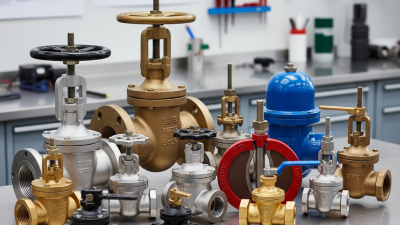
In this evolving market, understanding different types of flow valves is critical. From globe valves to ball valves, each type serves unique purposes. Buyers must consider factors like pressure ratings and material compatibility. Selecting the right flow valve can significantly impact operational success.
Moreover, advancements in technology continue to shape the flow valve landscape. Smart flow valves incorporate sensors and automated systems. While these innovations enhance performance, they also present challenges. Companies need to train staff on new technologies. Ensuring reliability while adapting to changes is essential for lasting success.

Top Flow Valve Types Dominating the Global Market in 2026
The flow valve market is evolving rapidly. In 2026, several valve types are gaining significant traction worldwide. Ball valves, known for their durability and reliability, remain popular. Their simple design allows for quick shut-off. These valves work well in various industries, including oil and gas.
Another rising star is the butterfly valve. This type offers lightweight construction and ease of installation. Its compact design enables efficient flow control. Users often appreciate their ability to handle large volumes with less torque. However, some may question their suitability in high-pressure applications.
Tips: Consider the specific requirements of your application. Understand the flow medium and pressure range. Also, evaluate maintenance needs and potential failures. Each valve type presents unique advantages and challenges. Assess these factors carefully to make informed choices.
Lastly, don't overlook the rising trend of automated flow valves. They enhance control and efficiency. However, integration into existing systems can pose issues. Always seek expert advice when transitioning to automated solutions. This ensures you choose the most suitable valve type for your project.
Top Flow Valves for Global Buyers in 2026
Key Trends Influencing Flow Valve Technology Advancements
The flow valve industry is in a state of transformation. In 2026, advancements in technology will shape the market significantly. A recent report from the Global Valve Market states that the demand for smart flow valves is expected to rise by 25% annually due to increased automation in various sectors. Such growth reflects a shift towards intelligent systems that provide real-time data and enhanced control.
Sustainability is another key trend. The integration of eco-friendly materials has become crucial in manufacturing processes. According to a report by the Environmental Protection Agency, valves made from biodegradable materials can reduce production waste by up to 30%. This pushes companies to rethink their material choices while addressing environmental impacts. There remains a challenge, however: many manufacturers struggle to strike a balance between sustainability and performance.
Digitalization is also influencing the market. Advanced technologies like IoT and AI are becoming commonplace in valve operations. An industry analysis highlights that leveraging these technologies can improve efficiency by nearly 40%. However, not all companies are ready for this transition. The steep learning curve may hinder smaller enterprises from adopting these innovations effectively. Balancing change with current capabilities remains a point of reflection for industry stakeholders.
Market Analysis: Regional Demand for Flow Valves in 2026
The global flow valve market is poised for significant growth by 2026. Various regions exhibit distinct demands driven by industrialization and infrastructure expansion. According to a recent market analysis, North America and Asia Pacific are expected to dominate. North America, showing a CAGR of 5%, is influenced by its robust oil and gas sector. Meanwhile, Asia Pacific, fueled by rapid urbanization, could surpass other regions in demand volume.
Different industries utilize flow valves distinctly. For example, the water treatment sector in Europe emphasizes efficiency. Reports suggest a strong move toward automation in these systems. This transition ensures better performance and operational integrity. Additionally, emerging markets in Latin America present a dual challenge. They seek advancements while grappling with aging infrastructure.
Supply chain disruptions and fluctuating material costs could impact growth. Some regions may struggle with sourcing quality materials. The need for innovation in valve design is clear. Companies must adapt to changing environments and improve sustainability efforts. This reflection on regional dynamics yields insights for buyers considering future investments.
Data-Driven Insights on Flow Valve Performance and Efficiency
In the evolving landscape of flow valves, performance and efficiency are top priorities for global buyers. Data-driven insights reveal how well these valves operate under various conditions. Performance metrics can include flow capacity, response times, and durability. Evaluating these factors helps engineers choose the best options for their specific applications.
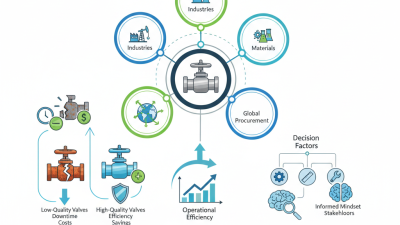
Efficiency is another critical element. It determines how much energy the valve consumes during operation. With rising energy costs, a small difference in efficiency can lead to significant savings. Buyers should look at lifecycle costs rather than just initial prices. This approach provides a clearer picture of long-term benefits.
However, data can sometimes be misleading. Performance ratings in controlled environments might not reflect real-world applications. Users often encounter issues not accounted for in lab tests. This inconsistency highlights the need for careful evaluation of vendor claims and independent assessments. Evaluating actual user experiences is essential before making purchasing decisions.
Top Flow Valves for Global Buyers in 2026
| Valve Type |
Material |
Flow Rate (m³/h) |
Pressure Rating (bar) |
Efficiency (%) |
| Ball Valve |
Stainless Steel |
500 |
20 |
90 |
| Gate Valve |
Cast Iron |
300 |
16 |
85 |
| Globe Valve |
Brass |
200 |
25 |
88 |
| Check Valve |
Plastic |
150 |
10 |
80 |
| Butterfly Valve |
Aluminium |
600 |
15 |
92 |
Future Challenges and Opportunities for Flow Valve Manufacturers
As we approach 2026, flow valve manufacturers face both challenges and opportunities. The global push for sustainable solutions drives demand for more efficient products. Manufacturers must innovate. This includes adopting new materials and technology. The shift towards automation presents both a challenge and an opportunity. Companies need to embrace digitalization to stay competitive.
Moreover, market dynamics are changing rapidly. Geopolitical factors and trade policies can affect supply chains. Companies may need to reconsider where they source materials. Sustainability initiatives from various governments add pressure to improve product lifecycles. Collaboration across industries can help address these sustainability challenges.
Experience is key in navigating this evolving landscape. Established players hold a wealth of knowledge, but younger companies bring fresh ideas. It is vital to cultivate partnerships. However, competition is fierce. Smaller manufacturers must find niches or innovative solutions to survive. Continuous learning and adaptation will define the winners in this space.