Top 10 Mouthpiece Adapter Manufacturers for Global Buyers
Choosing a Mouthpiece Adapter manufacturer is a small-component decision with visible consequences. A loose fit can cause leaks, rattling, or an uneven connection. Buyers need evidence of dimensional control, material consistency, and repeatable inspection—not just attractive product photos.
For musical-instrument applications, Grand View Research valued the global musical instruments market at USD 17.07 billion in 2023 and projected a 6.4% compound annual growth rate from 2024 to 2030. This is a broader market indicator, not a Mouthpiece Adapter market estimate. That distinction matters. W. Edwards Deming, a leading quality expert, wrote, “Quality comes not from inspection, but from improvement of the production process.” His principle offers a useful test for suppliers: ask how they control tolerances during production, not only how they check finished parts.
The manufacturers featured in this guide are assessed through practical buyer concerns: documented specifications, material options, customization capability, quality procedures, and export support. A polished catalog is helpful, but it cannot answer every question. Request drawings, sample parts, and clear inspection records before placing a large order. Check fit in real use.
Some details remain hard to compare across suppliers, especially when specifications use different measurement methods. That makes direct questions essential. This list aims to help global buyers identify credible partners while recognizing that the best choice depends on the adapter’s application, required fit, and production volume.
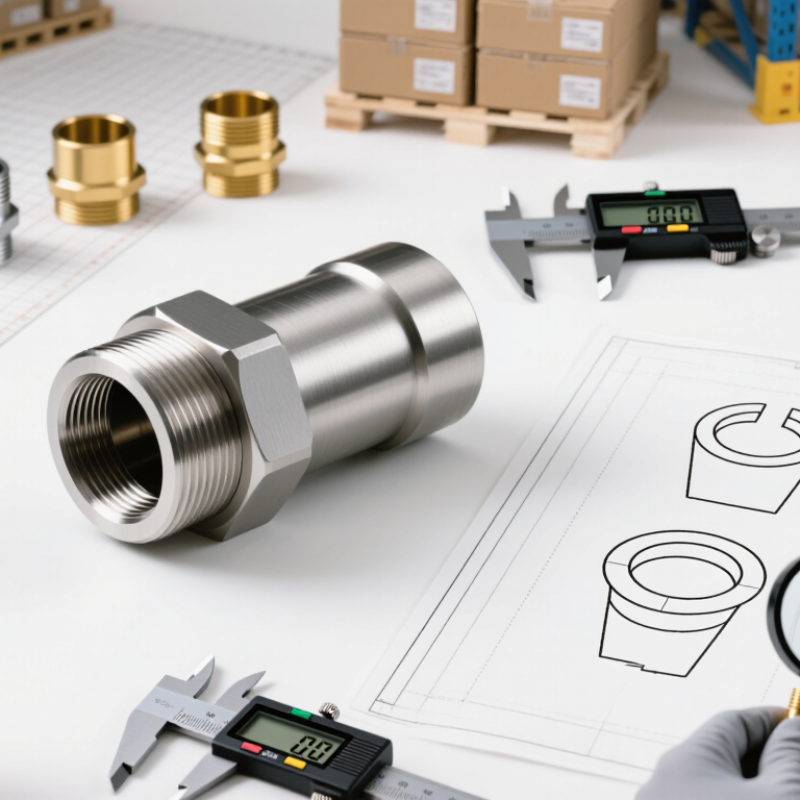
Understanding Mouthpiece Adapters and Their Global Applications
Mouthpiece adapters are small connectors with a practical job: joining a mouthpiece to a respiratory testing or care device. They help bridge different port sizes and tubing layouts. In a clinic, that may mean a snug connection between a disposable mouthpiece and a spirometer; in a lab, it may mean matching a test fixture without changing the main instrument. Fit matters. A loose joint can cause air leakage and undermine a reading. Material choice, internal diameter, and cleaning requirements also affect suitability.
The World Health Organization’s 2024 COPD fact sheet reports 3.5 million COPD deaths worldwide in 2021. That figure does not measure adapter demand, but it underscores the importance of dependable respiratory assessment and care equipment. For global buyers, checking dimensional tolerances, airflow resistance, material documentation, and compatibility with local device configurations is more useful than comparing price alone. Product descriptions can be vague, and a connector that looks right may still restrict airflow. That part deserves scrutiny.
Tips: Request a dimensional drawing and test the adapter with the intended mouthpiece and device before ordering at scale. Confirm cleaning or single-use instructions, too. Small details matter. I would also ask suppliers how they verify fit across production batches; documentation is helpful, but it does not replace a hands-on check.
Top 10 Mouthpiece Adapter Manufacturers for Global Buyers
Global buyers comparing mouthpiece adapter manufacturers should start with fit, not price. Ask for drawings that show connection diameter, insertion depth, and tolerance. A sample should seat firmly without forcing or wobbling. Check the intended material, surface finish, and cleaning requirements for your application. Small differences matter. A neat product photo cannot confirm a precise fit.
Reliable suppliers can explain how they inspect dimensions and manage production changes. Request material specifications, inspection records, and clear packaging details. For repeat orders, confirm whether samples and production units follow the same specifications. Also discuss minimum order quantities, lead times, and how defects are handled. These details can reveal more than a polished catalogue. One point is often missed: adapter compatibility may vary across equipment, even when dimensions look similar.
Tips: Send a physical reference part or a dimensioned drawing before requesting a quote. Test samples with the actual connected components, and record any looseness or resistance. Ask suppliers to label batches clearly. A rushed comparison can overlook small differences, and even a careful checklist may need revision after hands-on testing.
Comparing Product Quality, Customization, and Certifications
Comparing ten mouthpiece adapter manufacturers requires more than reviewing catalogue photos. Product quality shows in measurable details: consistent bore diameter, clean edges, secure fit, and repeatable dimensions across batches. Ask for a drawing with tolerances and inspect samples under ordinary workshop lighting. A smooth finish matters, but it cannot compensate for a loose connection. Small details count.
Customization is most useful when it solves a defined fit or workflow problem. Ask whether suppliers can adjust length, connection geometry, material, or packaging, and request an updated drawing before production. Clarify minimum order quantities, tooling fees, sample lead times, and how design changes are approved. A fast prototype helps, though one good sample does not guarantee every production run will match it.
Certifications should be checked against the product, facility, and destination market, not accepted as decorative logos. Request current certificates, their issuing body, scope, and expiry date; verify that the named site matches the production location. Depending on intended use, material declarations and batch traceability may matter as much as a general quality-system certificate. I would still question any supplier that answers with a certificate alone. The comparison is not perfectly neat: capable small factories may document less clearly, while polished paperwork can hide inconsistent inspection.
How to Choose the Right Manufacturer for Your Market
Choose a manufacturer that understands your destination market, not just your drawing. Ask for material grades, dimensional tolerances, inspection methods, and lot traceability. For an adapter, a small bore mismatch can cause poor fit or unstable airflow. Request a sample and test it with the actual mating mouthpiece. Check whether the supplier can provide consistent measurements across production batches. A polished sample proves little by itself.
Compare quality records and shipping readiness. ISO 9001 certification can indicate a documented quality system, but it does not guarantee that a specific adapter will meet your needs. Review inspection reports and ask how defects are handled. The WTO’s 2015 World Trade Report estimated that fully implementing its Trade Facilitation Agreement could reduce global trade costs by 14.3%. Clear invoices, packing lists, and origin documents matter. Ask who prepares them.
Freight deserves attention, too. UNCTAD’s Review of Maritime Transport 2024 reported that spot rates from Shanghai to Europe rose 256% between December 2023 and July 2024. That volatility makes lead-time buffers and delivery terms worth comparing alongside unit price. A low quote can disappoint. Check minimum order quantities, replacement policies, and communication response times. Then reassess your shortlist: specifications may look comparable, but inspection depth often differs.
