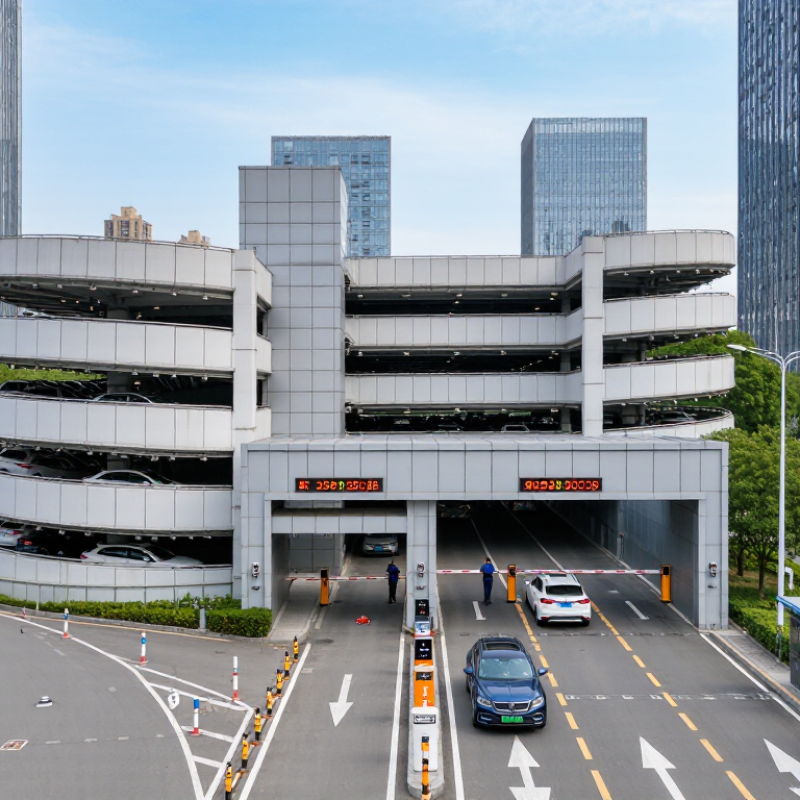
Choosing a smart parking manufacturer begins with the site, not the product brochure. Map entry lanes, peak-hour traffic, payment methods, and the number of spaces. A busy hospital needs different controls from a small office lot. Details matter. Ask how the system handles a blocked camera, a network outage, or a driver who needs help. These moments reveal more than a polished demonstration.
Check the full equipment list, including sensors, cameras, barriers, controllers, and software. Confirm that components can work together and that the dashboard shows useful information, such as occupancy and equipment faults. Request clear installation drawings and a realistic project schedule. Also ask about software updates, spare parts, staff training, and response times for support. Vague answers are a warning. A low quote can become expensive when essential work is excluded.
Ask for references from projects with similar traffic and site conditions. If possible, visit one and watch vehicles move through at a busy time. A short pilot can expose blind spots, confusing signs, or slow barrier response before full deployment. Test it on site. Compare the proposed system with your daily operating needs, not just its feature count. No system is flawless, and some assumptions may prove wrong after installation. Choose a manufacturer that documents limitations and adjusts the plan when real-world results differ from expectations.