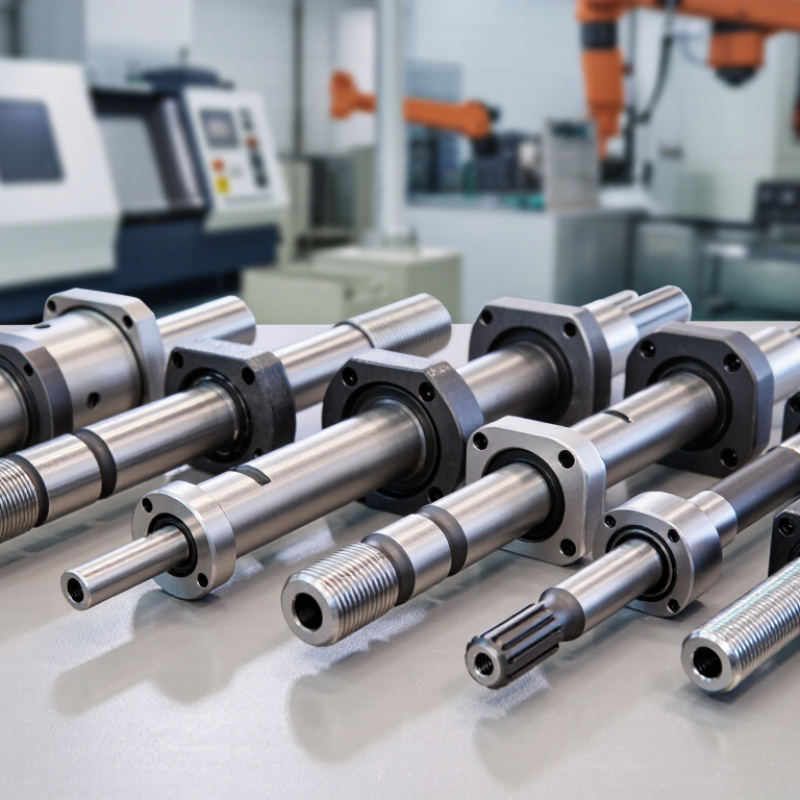
Top 10 Threaded Linear Shaft Types for Global Buyers
Stainless, Alloy-Steel, Coated, and Hollow Shafts: ASTM Material Criteria
Global buyers often compare ten shaft types: 304, 316, precipitation-hardened stainless, carbon steel, alloy steel, chrome-plated, zinc-coated, nitrided, hollow, and precision-ground shafts. Material selection should begin with load, corrosion exposure, thread stress, and required straightness. ASTM references help, but they do not replace a complete purchase specification.
For stainless bars, ASTM A276 can support grade and dimensional requirements, while ASTM A967 helps define chemical passivation practices. Grade 316 suits chloride-rich environments better than 304, although it still requires careful maintenance. Alloy and carbon steel bars may follow ASTM A29, with heat treatment and mechanical properties confirmed separately. For hollow shafts, ASTM A519 may apply to seamless mechanical tubing, but the tube grade, wall thickness, and thread design must match the actual load.
Coatings need independent verification. Salt-spray results under ASTM B117 show comparative corrosion performance, not guaranteed service life. Coating adhesion can be checked through ASTM D3359 methods, when applicable. Surface hardness, runout, and thread gauges should appear on inspection records.
In practice, I have seen excellent materials fail because threads were cut after poor heat treatment. That detail is easy to miss. Buyers should request mill certificates, hardness data, dimensional reports, and traceable lot numbers. ASTM compliance sounds reassuring, but the exact grade, product form, condition, and test method still need review.