Top Valve Types for Global Procurement of Valves?
In the rapidly evolving industrial landscape, the procurement of valves plays a crucial role. Valves are essential components that control fluid flow, ensuring efficiency in various applications. Understanding the different types of valves available globally is vital for industries seeking reliable solutions.
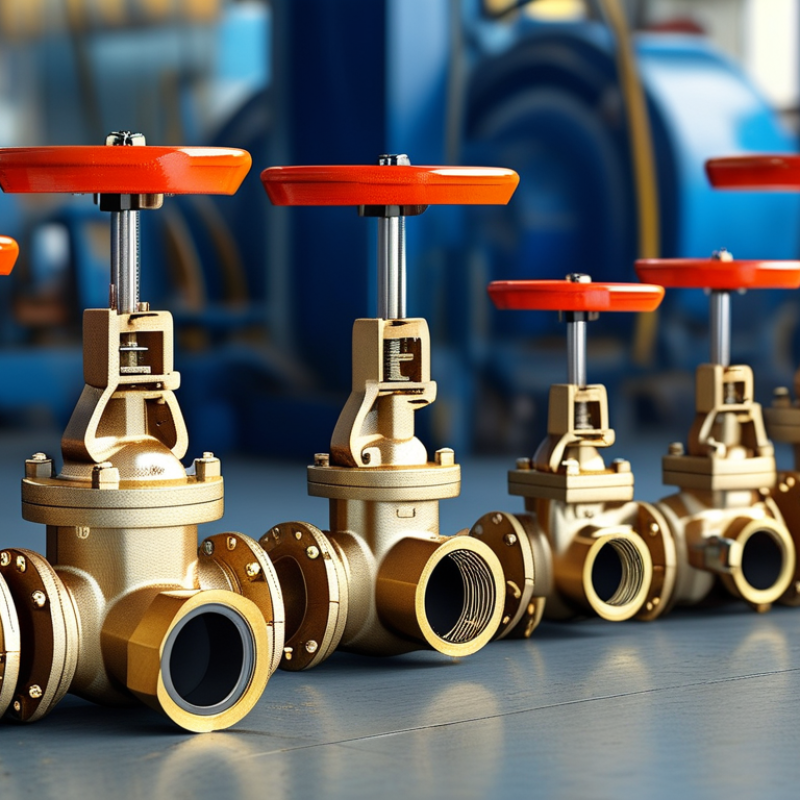
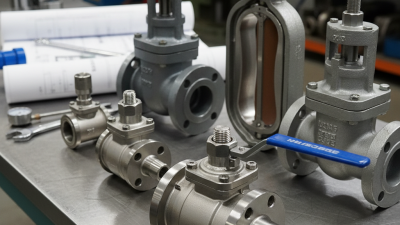
Different valve types serve distinct functions, making their selection critical. Gate valves provide a straight flow path, while globe valves offer better throttling. Butterfly valves are lightweight and easy to operate in large systems. Each valve has its unique advantages and limitations.
Choosing the right valve can be complex. Companies must consider factors like pressure range, temperature, and media type. An informed choice can prevent costly downtime. Inadequate valve selection can lead to performance issues. Exploring the top valve types can guide professionals in making effective procurement decisions.
Overview of Valve Types in Global Procurement Markets
Valves play a crucial role in various industries, making their selection vital in global procurement markets. The American Society of Mechanical Engineers (ASME) notes that the global valve market is expected to grow by over 5% annually, driven by increased demand in sectors like oil and gas. Among the various types, gate, globe, and ball valves are particularly prevalent, each serving unique applications, from regulating flow to isolating systems.
Gate valves, favored for on-off control, are often chosen for their minimal pressure drop. However, they may underperform in throttling applications, leading to inefficiencies. Globe valves, on the other hand, excel at flow regulation but may experience higher pressure drops. This trade-off in performance highlights the complexities involved in valve selection. Moreover, ball valves have gained popularity due to their durability and reliability, yet they require careful alignment to function effectively.
Data from Market Research Future suggests that the Asia-Pacific region represents the largest market share, primarily driven by the expanding oil and gas infrastructure. Despite this growth, a lack of standardization in valve manufacturing poses challenges. Different regions employ varying specifications, complicating procurement. Understanding these dynamics is crucial for professionals in the field to ensure optimal valve selection for their specific needs.
Top Valve Types in Global Procurement Markets
Key Features of Common Valve Types Used Worldwide
Valves play a critical role in various industries, affecting the control of flow and pressure in systems. Among the most common valve types are gate, globe, and ball valves. Each type has unique features that cater to specific applications. Gate valves are ideal for on-off control. However, they are not suitable for throttling. Globe valves, known for their excellent throttling capabilities, allow for precise flow regulation. Yet, their design can lead to higher pressure drops.
Ball valves are widely valued for their durability and low pressure drop. They provide quick and reliable shut-off. This makes them popular in many industries. Still, their moving parts can wear over time. Butterfly valves are lightweight and compact. They are perfect for large pipes and applications with low pressure requirements. Yet, they may not seal as tightly as other types.
Choosing the right valve involves understanding these features and trade-offs. It's essential to consider factors like flow characteristics, pressure, and temperature. Each valve type has its strengths and weaknesses. Making an informed choice helps prevent system failures and inefficiencies. This understanding reflects a solid foundation in valve technology. Knowledge in global procurement can enhance decision-making too.
Factors Influencing Global Procurement Decisions for Valves
When considering global procurement for valves, various factors come into play. One primary aspect is the valve type required for specific applications. Considerations include pressure levels, fluid types, and compatibility with existing systems. Understanding these needs helps streamline decision-making and fosters effective procurement strategies.
Another crucial element is supplier reliability. A trustworthy supplier provides consistent quality and timely delivery. Researching different suppliers' performance histories is essential. This involves evaluating past customer feedback and understanding warranty terms. Trust is foundational when selecting a partner for procurement.
**Tip:** Always request samples before committing to bulk orders. This allows you to assess the quality directly and make informed choices.
Cost is also a significant variable. Balancing quality and price can be challenging. It’s common to compromise on quality for lower prices, but this can result in long-term issues. Analyzing total ownership costs, including maintenance and downtime, is vital for optimal decision-making.
**Tip:** Perform a cost-benefit analysis to ensure all factors are evaluated.
Finally, industry regulations and standards must guide decisions. Compliance is not optional. Neglecting these can lead to legal complications. Always stay updated on changes in regulatory requirements to avoid risks.
Comparative Analysis of Valve Materials and Their Applications
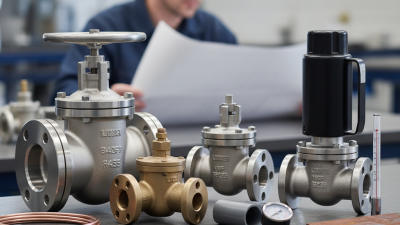
When discussing valve materials, it’s crucial to understand their unique applications. Different materials offer distinct advantages. For example, stainless steel provides excellent corrosion resistance. This makes it ideal for chemical processing. On the other hand, PVC valves are lightweight and cost-effective. They work well in water treatment systems.
Understanding the material properties is essential. For instance, brass improves durability in high-pressure situations. But it may not suit reactive environments. This can lead to unexpected failures, prompting a review of choices.
Tips: Always assess the intended environment. Consider factors like temperature and pressure. This helps eliminate potential issues. Regular evaluations of valve materials can also yield insights. Over time, wear and tear can appear. Reassessing materials can prevent significant operational failures.
Top Valve Types for Global Procurement of Valves
| Valve Type |
Material |
Temperature Range (°C) |
Pressure Rating (bar) |
Common Applications |
| Ball Valve |
Stainless Steel |
-29 to 180 |
16 |
Oil, Gas, Water |
| Gate Valve |
Cast Iron |
-10 to 120 |
10 |
Water Supply, Drainage |
| Globe Valve |
Bronze |
-20 to 150 |
20 |
Hydraulic Systems |
| Check Valve |
PVC |
0 to 60 |
5 |
Chemical Processing |
| Butterfly Valve |
Aluminum |
-30 to 100 |
40 |
HVAC, Gas Pipelines |
Trends and Innovations in Valve Technology for Global Supply Chains
In the world of industrial procurement, valve technology is rapidly evolving. Innovations focus on efficiency and reliability. This shift significantly impacts global supply chains.
Smart valves are gaining popularity. They offer enhanced monitoring and control capabilities. Remote operation reduces downtime and increases productivity.
Tips: Always assess your specific needs before choosing a valve type. Ensure compatibility with existing systems. It’s crucial to consider materials used in valve manufacturing. Corrosion-resistant options can prolong lifespan.
Sustainable practices are also becoming critical. Eco-friendly materials and energy-efficient designs are trending. Suppliers are responding by providing greener alternatives.
Transparency in sourcing promotes trust in supply chains. However, not all suppliers prioritize sustainability equally. Conduct thorough research to find accountable partners. This could make or break procurement strategies.