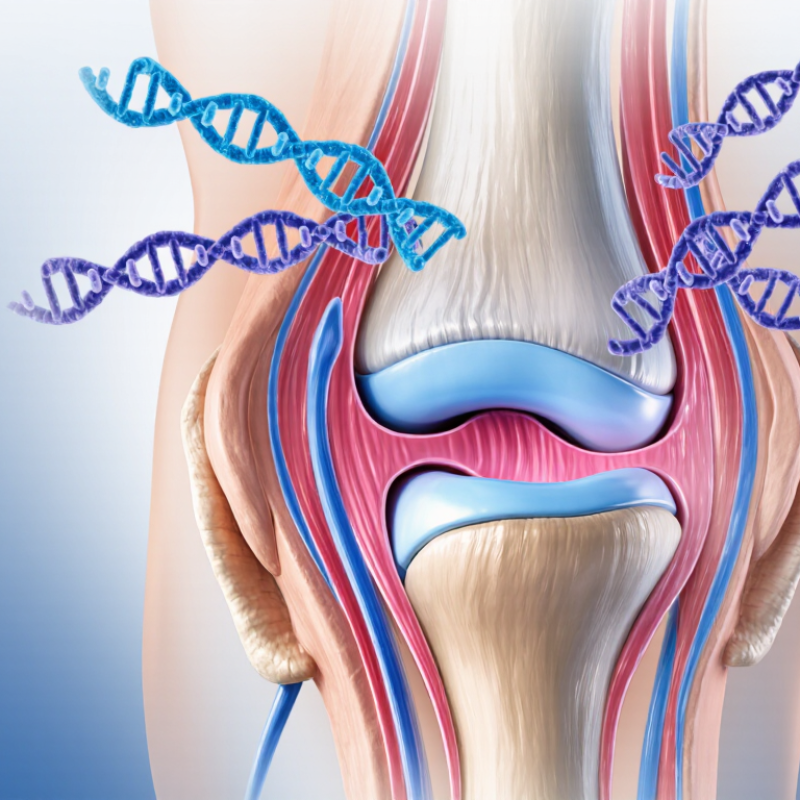
| Definition | Undenatured collagen is collagen that has been processed under relatively mild conditions so that its natural three-dimensional structure and some biological activity are retained. | It differs from hydrolyzed collagen peptides, which are broken down into smaller protein fragments during processing. |
| Common source | Most studied preparations are derived from animal connective tissues, particularly type II collagen from cartilage. | The source should be checked carefully by people with allergies, dietary restrictions, or religious and ethical concerns. |
| Primary collagen type | Undenatured type II collagen is mainly associated with articular cartilage, where it contributes to the tissue’s structural framework. | Its potential relevance is greatest for joint and cartilage-related research, rather than for every collagen-related health outcome. |
| Proposed mechanism | Small amounts may interact with immune tissues in the digestive tract and promote immune tolerance to collagen-related antigens. | The proposed action is regulatory or immune-modulating, not simply the direct replacement of damaged cartilage. |
| Difference from hydrolyzed collagen | Hydrolyzed collagen is enzymatically or chemically broken into peptides and is commonly studied as a source of amino acids and collagen peptides. | Evidence for hydrolyzed collagen cannot automatically be applied to undenatured collagen because the products have different structures and proposed mechanisms. |
| Potential use: osteoarthritis | Clinical studies of undenatured type II collagen have reported possible improvements in joint symptoms and physical function in some adults with osteoarthritis. | It may be considered a complementary option, but it should not replace exercise, weight management, physical therapy, or prescribed treatment. |
| Potential use: exercise-related joint comfort | Some research in physically active adults suggests possible benefits for joint comfort, mobility, or activity-related discomfort, although findings are not uniform. | Results may vary according to the population, product preparation, dose, study duration, and outcome measured. |
| Potential use: rheumatoid arthritis research | Undenatured type II collagen has been investigated in rheumatoid arthritis, but clinical findings remain mixed and it is not an established replacement for disease-modifying therapy. | People with inflammatory arthritis should consult a qualified healthcare professional before using it as a supplement. |
| Skin benefits | Evidence for skin hydration, elasticity, or wrinkle reduction mainly concerns hydrolyzed collagen peptides, not undenatured type II collagen. | Skin-related claims should not be assumed to apply to undenatured collagen unless the specific preparation has been studied. |
| Bone health | Collagen contributes to bone structure, but direct evidence that undenatured collagen improves bone density or prevents fractures is limited. | It should not be treated as a substitute for adequate calcium, vitamin D, resistance exercise, or medical osteoporosis care. |
| Typical research dose | Clinical studies have commonly examined low daily amounts of undenatured type II collagen, often in the range of approximately 10–40 mg per day, depending on the product and protocol. | Dose comparisons are difficult because formulations, extraction methods, and study designs differ. Follow the product label or professional advice. |
| Time to potential effect | Joint-related studies have often assessed outcomes after several weeks to a few months rather than immediately after use. | A lack of immediate improvement does not necessarily predict long-term results, but persistent symptoms require appropriate clinical evaluation. |
| Reported side effects | Clinical studies generally report good short-term tolerability, although mild digestive symptoms, headache, or skin reactions may occur. | Stop use and seek medical advice if a severe or persistent reaction occurs. |
| Allergy and source considerations | Products made from fish, poultry, or other animal tissues may contain source-specific allergens or may not meet vegetarian or vegan requirements. | Review the full ingredient and allergen information, especially when food allergies are present. |
| Pregnancy and breastfeeding | Specific safety evidence for many undenatured collagen supplements during pregnancy and breastfeeding is limited. | Consult a healthcare professional before use during pregnancy or breastfeeding. |
| Evidence limitations | Studies vary in sample size, duration, collagen preparation, participant characteristics, and symptom measurements. Some trials are small or have potential sponsorship bias. | The evidence is promising for selected joint outcomes but is not strong enough to support broad claims for all health conditions. |
| Practical conclusion | Undenatured collagen is a structurally preserved collagen preparation with its strongest research focus on joint-related outcomes. | It may offer modest complementary support for some people, but it is not a guaranteed treatment or a replacement for evidence-based medical care. |