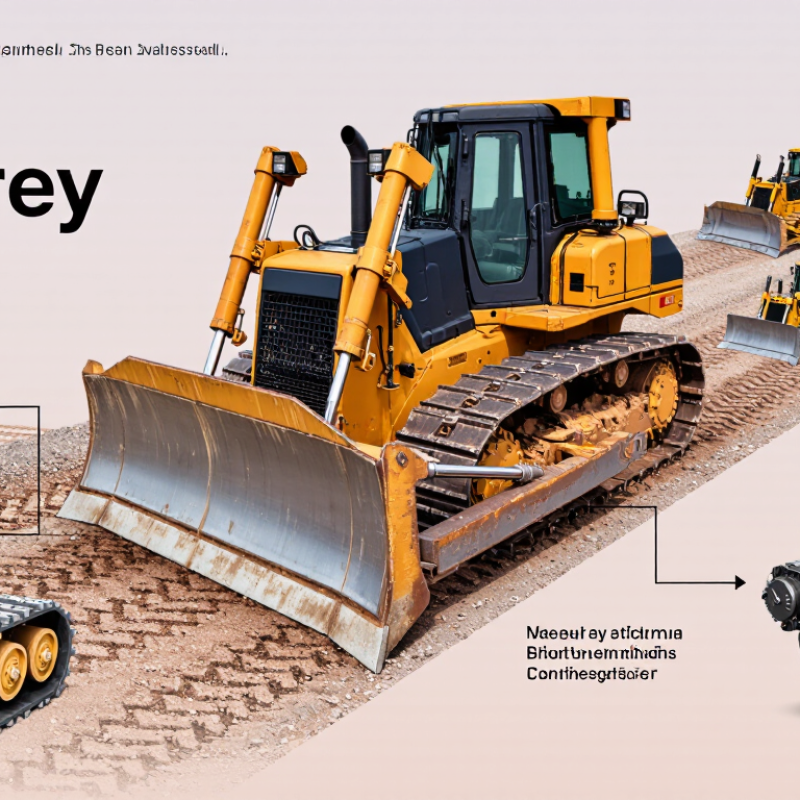
A used bulldozer works through a diesel engine, hydraulic pumps, steel tracks, and a front blade. The engine powers hydraulic cylinders, which raise, lower, tilt, and angle the blade. Tracks spread machine weight across soft ground. This helps the dozer push soil without sinking quickly. Operators use these machines for grading, site preparation, road building, land clearing, and trench backfilling.
Heavy work.
The U.S. Environmental Protection Agency states that Tier 4 Final engines can reduce particulate matter by up to 50% and nitrogen oxides by up to 96% compared with earlier Tier 3 levels. That matters on dusty construction sites. EquipmentWatch’s 2024 used-equipment market analysis also identifies age, operating hours, maintenance records, and auction history as major value factors.
A ten-year-old dozer with 4,000 documented hours may outperform a neglected machine with fewer hours. Hours can mislead. Check the undercarriage closely. Measure track shoe wear, inspect rollers, and look for uneven sprocket teeth. Cold starts reveal more than a polished exterior. Watch for hydraulic drift, excessive smoke, blade movement, and transmission hesitation.
These defects can turn a low purchase price into expensive downtime. I would not trust a quick visual inspection alone. Oil samples, service invoices, and a controlled grading test provide stronger evidence.
A used bulldozer is useful when its working condition matches the job, soil, slope, and daily production target.