What Is a Water Valve and What Types Are There?

A water valve may fit in one hand, yet it can control the flow, pressure, or direction of water across an entire building or distribution line. Open a gate valve, and water moves through a broad passage. Turn a small quarter-turn handle, and a ball valve can shut flow quickly. These differences matter when selecting a valve for a home, factory, or municipal network.

The U.S. Environmental Protection Agency’s 2023 Drinking Water Infrastructure Needs Survey and Assessment estimates that drinking water systems need $625 billion in investment over 20 years. That figure covers many infrastructure needs, not valves alone. Still, it highlights why dependable components and informed maintenance matter. The American Water Works Association’s technical manuals also treat valve selection and operation as core parts of water-system management.

A helpful engineering principle is: “Choose a valve for its duty, not merely its pipe size.” This is an editorial summary, not a verified quotation from a named expert; no source article or attributable expert quote was supplied. I won’t assign those words to a real person without evidence. This guide explains what a water valve does, how common types differ, and where each may be used. It also considers pressure, material, flow control, and maintenance. The details are practical, but not universal: local conditions and manufacturer specifications can change the right choice.

What Is a Water Valve and What Types Are There?

Water Valves Defined: How They Start, Stop, and Regulate Flow

A water valve is a mechanical control point in a pipe. It can start flow, stop it, or adjust how much water passes through. Open a valve, and water moves toward a tap, appliance, or heating loop. Close it, and the flow is interrupted. Simple idea. Small adjustments can still affect pressure and noise.

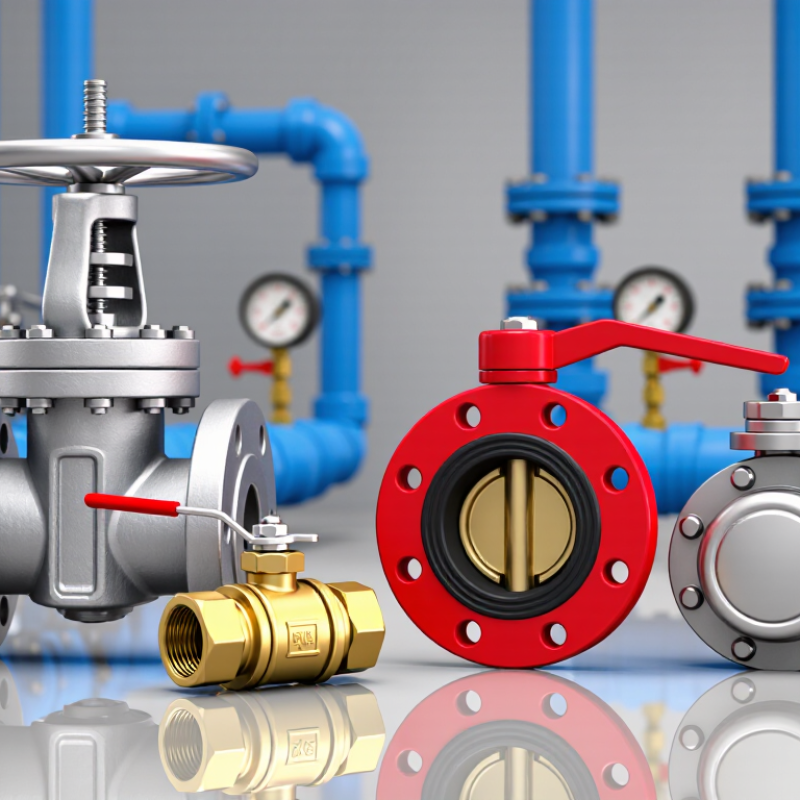
Different designs suit different jobs. A ball valve uses a turning handle and works well for quick shutoff; a quarter-turn often moves it from open to closed. Gate valves lift a barrier from the water’s path, but they are generally better fully open or closed than partly open. Globe valves allow finer flow adjustment, though their internal path creates more resistance. Butterfly valves use a rotating disc and are common on larger pipes. Check valves act without a hand-operated handle, allowing water to travel one way while resisting reverse flow. It is tempting to treat every valve as interchangeable. That assumption can cause trouble: the wrong type may regulate poorly, wear faster, or make servicing harder. Pipe size, pressure, fluid temperature, and the valve’s intended role all matter. A careful match is worth the extra check.

Water Valve Flow Characteristics

How valve travel affects relative flow for three common control-valve trim characteristics.

These curves illustrate inherent flow characteristics, with flow normalized to 100% at full travel. The equal-percentage example uses a modeled 50:1 rangeability ratio. Actual performance varies with valve design and system conditions. Isolation valves such as gate and ball valves are generally used to start or stop flow; control valves are designed to regulate it.

Core Parts and Ratings: DN/NPS, PN, and ASME Classes 150–2500

A water valve’s body contains the pressure, while the bonnet closes its upper opening. Inside, the stem moves a gate, disc, ball, or plug against a seat. These parts matter: a correct size cannot compensate for a trim material poorly suited to the water or operating conditions.

DN means nominal diameter under ISO 6708; NPS is the North American nominal pipe-size system. They are size designations, not precise measurements of a valve’s bore. PN is a nominal pressure designation, commonly expressed in bar, but it does not guarantee the same allowable pressure at every temperature. Check the applicable standard and manufacturer’s pressure-temperature data. A label alone is not enough.

ASME Class is also not a pressure value in psi. ASME B16.5 gives pressure-temperature ratings for flanges: for ASTM A105 carbon steel at 100°F, its tables list 285 psi for Class 150 and 6,170 psi for Class 2500. These are flange ratings, not universal valve limits; ASME B16.34 addresses valve ratings. The gap is substantial. A small mismatch can survive on a drawing, so verify the valve standard, material, temperature, and connection before selection.

Main Water-Valve Types: Gate, Globe, Ball, Butterfly, and Check

Water valves control, isolate, or redirect water, and the right type depends on flow, pressure, and maintenance access. A gate valve is suited to fully open or closed service; throttling it can wear its gate. Not interchangeable. A globe valve offers finer flow adjustment, though its curved passage creates more resistance. Ball valves turn a quarter-turn for quick shutoff, often with a clear handle position. That matters.

Butterfly valves use a rotating disc and take up little space, making them practical on larger pipes. Check valves open with forward flow and close when flow reverses, helping protect pumps and limit backflow. The labels seem clear, but real pipe layouts are rarely perfect. Confirm direction arrows, pressure ratings, and available clearance before installation.

The American Society of Civil Engineers’ 2021 Report Card for America’s Infrastructure estimated that about six billion gallons of treated water are lost daily from U.S. drinking-water systems. That system-wide figure does not mean valves cause the losses. EPA WaterSense also estimates household leaks can waste nearly 10,000 gallons yearly. These figures underline why dependable shutoff and inspection access matter, even when a valve looks simple. A poor match can restrict flow or make servicing awkward.

What Is a Water Valve and What Types Are There? — Main Water-Valve Types: Gate, Globe, Ball, Butterfly, and Check
Valve Type How It Works Typical Function Flow When Fully Open Common Applications Key Consideration
Gate A sliding gate moves up or down across the flow path, typically using a handwheel and stem. Starting or stopping flow. Usually offers a relatively unobstructed passage and low pressure loss when fully open. Water distribution lines and other services where the valve is normally fully open or fully closed. Not generally recommended for throttling; partial opening can cause vibration, wear, or damage.
Globe A plug or disc moves toward or away from a seat inside a shaped body. Flow regulation and shutoff. The flow path changes direction, so pressure loss is generally higher than through a full-bore gate or ball valve. Systems that need frequent adjustment or controlled flow, such as branch lines and process piping. Well suited to throttling, but its higher flow resistance should be considered when selecting a valve.
Ball A drilled ball rotates, usually through a quarter turn, to align its opening with the pipe or block the passage. Quick shutoff and isolation. A full-port design can provide a nearly straight-through flow path with low pressure loss. Building plumbing, equipment isolation, and other services needing quick operation. Standard ball valves are primarily for on/off service; prolonged throttling may damage the seats or ball.
Butterfly A disc mounted on a shaft rotates within the pipe, commonly through about a quarter turn. Isolation and, in suitable designs, flow control. The disc remains in the flow path, creating some resistance even when fully open. Large-diameter water lines, treatment plants, and systems where compact, lightweight valves are useful. Disc position and design affect flow characteristics; confirm material and pressure suitability for the service.
Check A movable disc, flap, or other closure element opens with forward flow and closes when flow stops or reverses. Automatically preventing reverse flow. Pressure loss varies by design and operating conditions; the valve needs sufficient forward pressure to open. Pump discharge lines and piping where backflow could cause damage or disrupt operation. Operates automatically and is not normally used as a manual shutoff valve; installation orientation depends on the design.

How to Select a Valve: Match Flow, Pressure, Temperature, and Service

A water valve controls, directs, or stops water moving through a pipe. Choosing one starts with the job it must do: shut off flow, adjust it, or prevent reverse movement. Ball valves suit quick shutoff, while globe valves allow more controlled adjustment. Check valves help stop water from flowing backward. The right type depends on the system, not just pipe size.

Match the valve’s flow capacity to the required flow rate. A valve that is too small can restrict flow and create pressure loss; an oversized one may be difficult to control. Check the system’s normal and maximum pressure, including possible surges. Do not guess. A valve’s pressure rating can change with temperature, so confirm both ratings for the actual operating conditions.

Consider what the water contains and how often the valve will operate. Drinking-water systems need materials rated for that service, while hot water may require seals that tolerate higher temperatures. For water with sediment, choose a design that can be inspected or cleaned. Fit matters. Confirm connection type, installation space, and access for maintenance before ordering. A common oversight is selecting by diameter alone. It is easy to miss the service details. When conditions are unclear, verify the specifications with the system designer or a qualified installer.

Testing and Maintenance: API 598 Shell Tests at 1.5× Rated Pressure

What Is a Water Valve and What Types Are There?

Testing and Maintenance: API 598 Shell Tests at 1.5× Rated Pressure

A water valve controls, redirects, or stops flow, but its pressure boundary must also withstand service conditions. Under API 598, a shell test checks the valve body and bonnet for visible leakage. The test pressure is generally 1.5 times the applicable pressure rating at the specified reference temperature. It is not a seat-leakage test, and it does not prove the valve will operate correctly in every installation.

During testing, technicians use a suitable test medium, raise pressure in a controlled way, and inspect joints, cast surfaces, and other pressure-retaining areas. A dry spot beside a bonnet joint can reveal a leak that a quick glance misses. Test duration depends on valve size and the applicable procedure. Use a calibrated gauge, secure the valve properly, and keep people clear of potential release paths. Check the current API 598 edition and purchase requirements; ratings and acceptance criteria can vary. A passed test is useful evidence, not a guarantee against later wear or incorrect installation.

Top