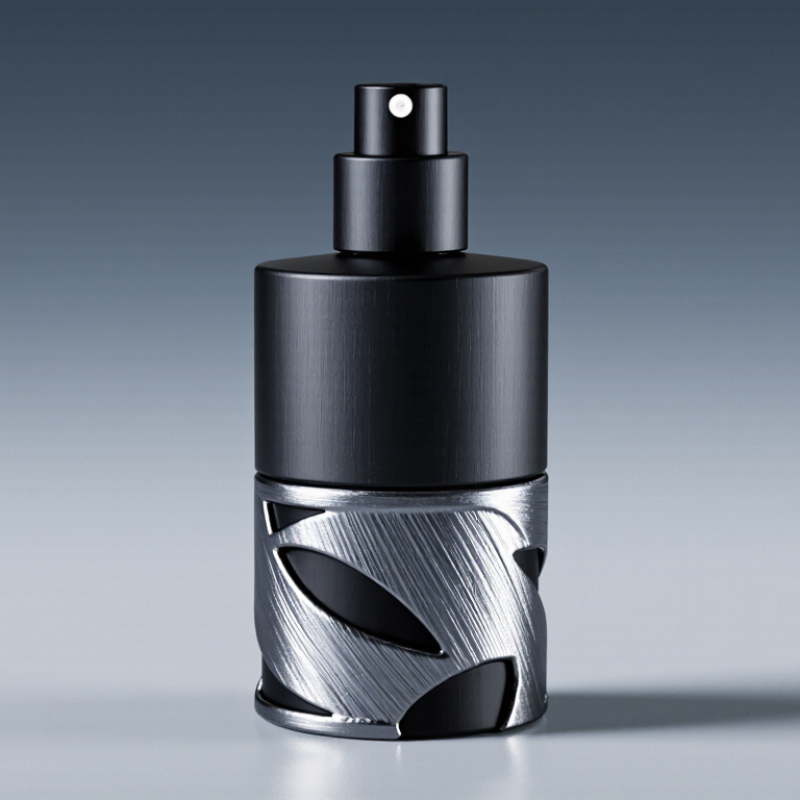
| Definition | An aluminum perfume bottle is a fragrance container made primarily from lightweight aluminum, usually with an internal component that keeps the fragrance separated from the metal. | Aluminum outer shell, inner glass or compatible plastic reservoir, spray pump, and protective cap. | Provides a lightweight and durable package for liquid fragrance. | The internal lining or reservoir should be compatible with alcohol-based fragrance formulas. |
| Common Capacity | Capacity depends on the intended use, filling format, and product category. | Travel sizes: approximately 5–15 mL; personal-use sizes: approximately 30–100 mL; larger formats: over 100 mL. | Small sizes are convenient for handbags and travel, while larger sizes reduce the need for frequent refilling. | Actual fill volume should leave enough headspace for safe closure and dispensing. |
| Bottle Shape | Aluminum bottles can be formed into compact cylindrical, rectangular, oval, or specially shaped designs. | Common forms include slim cylinders, rounded rectangles, pocket-size tubes, and low-profile atomizers. | Shape affects portability, storage efficiency, grip, and visual appearance. | Highly complex shapes may increase manufacturing difficulty and may be less stable when placed upright. |
| Surface Finish | The exterior can be treated to improve appearance, grip, and resistance to surface wear. | Brushed, matte, polished, anodized, painted, printed, or textured finishes. | Finishes provide different visual effects and can help reduce the appearance of minor fingerprints or scratches. | Coatings may wear over time if exposed to abrasion, solvents, or repeated contact with hard surfaces. |
| Dispensing System | Most aluminum perfume bottles use a fine-mist spray pump, while some compact formats use a roll-on or splash application. | Crimped spray pump, screw-fit spray pump, refillable atomizer, roll-on applicator, or removable cap design. | Fine-mist sprayers distribute fragrance evenly and help control the amount applied. | The pump, dip tube, gasket, and valve must resist fragrance ingredients and maintain a reliable seal. |
| Refillable Design | A refillable bottle is designed to be opened or connected to a refill container without replacing the complete outer package. | Top-fill, bottom-fill, screw-neck, removable-cartridge, or refill-through-adapter systems. | Can reduce packaging waste and allow the outer bottle to be reused multiple times. | Not every aluminum bottle is refillable; a permanently crimped or sealed construction may be intended for one-time use. |
| Leak Protection | Leak resistance depends on the closure, valve, gasket, seams, and quality of assembly. | Screw caps, snap caps, locking spray buttons, threaded collars, and elastomeric seals. | Helps protect luggage, clothing, and personal items during transport. | A bottle should be tested in different positions and conditions before being carried in a travel bag. |
| Light and Impact Protection | Aluminum blocks light more effectively than clear packaging and is less likely to shatter than glass. | Opaque outer body with a protective cap or reinforced wall structure. | Reduces exposure to light and provides better resistance to accidental drops than ordinary glass bottles. | The fragrance still needs suitable storage away from excessive heat, direct sunlight, and strong temperature changes. |
| Portability | The low density of aluminum makes it suitable for compact fragrance containers and travel atomizers. | Pocket atomizers, handbag bottles, toiletry-kit containers, and small refillable spray formats. | Offers a lighter alternative to many glass formats and is easy to carry for daily touch-ups. | Air-travel rules may limit the amount of liquid carried in hand luggage, regardless of the bottle material. |
| Typical Uses | Aluminum perfume bottles are used for personal fragrance, travel decants, sample formats, event favors, and reusable fragrance containers. | Daily perfume, eau de toilette, body mist, solid-fragrance accessories, and small-batch fragrance packaging. | Supports both everyday use and portable fragrance applications. | Compatibility should be checked before filling products containing high levels of essential oils or unusual solvents. |
| Cleaning and Maintenance | Reusable bottles should be emptied and cleaned according to the manufacturer’s instructions before changing fragrance formulas. | Use a compatible cleaning method, allow all components to dry completely, and inspect seals before refilling. | Helps minimize fragrance mixing, contamination, and changes in scent profile. | Water or unsuitable cleaners trapped inside the pump or reservoir can dilute the fragrance or affect dispensing. |
| End-of-Life Potential | Aluminum is widely recyclable when separated from incompatible materials and accepted by local recycling systems. | Recyclable metal body, reusable outer shell, or mixed-material construction requiring component separation. | Recycling or reuse can extend the useful life of the packaging and reduce material waste. | Spray pumps, liners, coatings, and mixed-material parts may need to be removed or processed separately. |