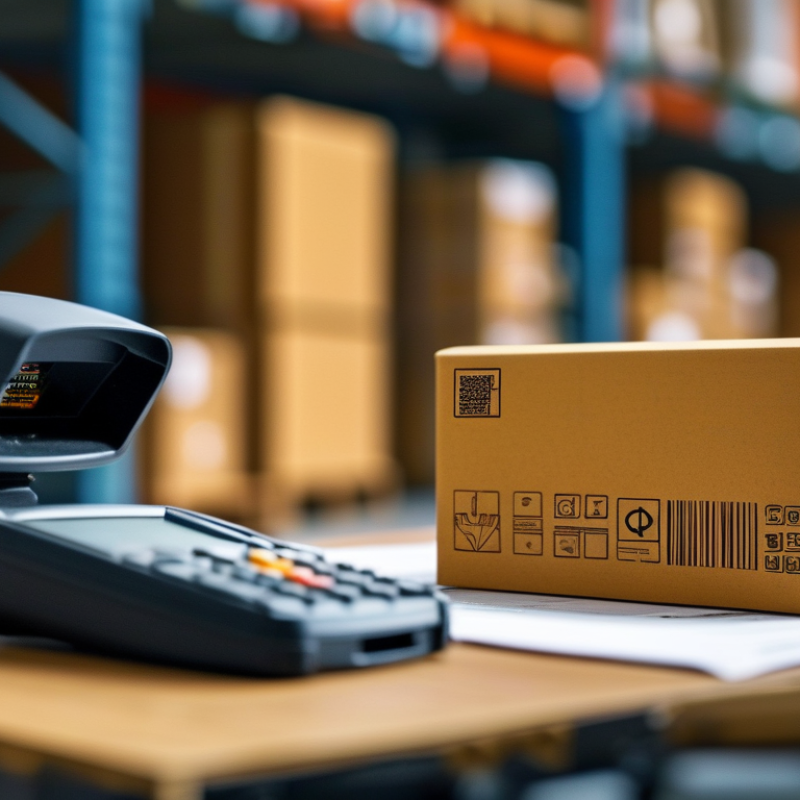
Why Choose a Bar Code Reader for Global Sourcing?
Factors to Consider When Choosing a Bar Code Reader
Global sourcing creates mixed labels, long shipping routes, and demanding warehouse conditions. A suitable bar code reader should handle different symbologies, print quality, and scanning distances. The 2023 Warehousing Study reported that 73% of decision-makers planned to increase modernization efforts by 2028. This trend makes reliable data capture increasingly important.
Start with the application, not the device specification. Choose an imager that reads both one-dimensional and two-dimensional codes when suppliers use varied packaging. Check scanning speed, working distance, field of view, and performance under dim lighting. Test it live. A reader may perform well on clean samples but struggle with glossy cartons, curved labels, or damaged ink.
Environmental protection also matters. Consider dust, moisture, vibration, temperature changes, and frequent drops. Wireless models need stable connectivity, manageable charging cycles, and secure data transfer. A 2023 smart-manufacturing survey found that 86% of executives expected smart factory initiatives to strengthen competitiveness within five years. Ergonomics should not be overlooked; a heavy reader can slow repeated picking and increase fatigue. Total cost includes setup, maintenance, batteries, training, and replacement units. The cheapest option can become expensive. No selection matrix is perfect, so review real scanning errors after deployment and adjust the choice.