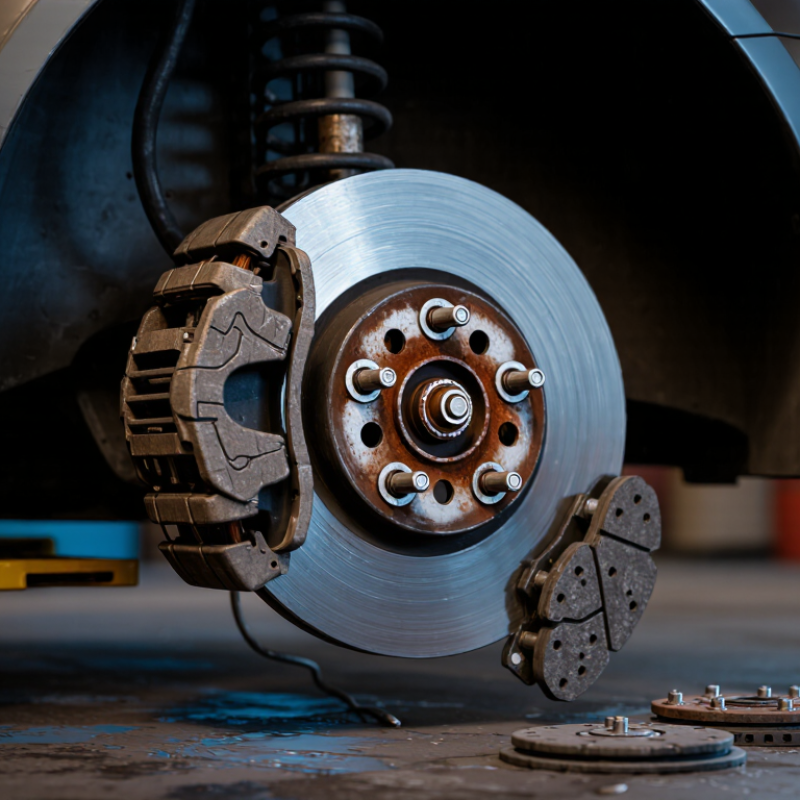
Why Is My Back Brake Caliper Sticking?
Repair Options and Ways to Prevent Recurrence
A sticking rear brake caliper often leaves one wheel unusually hot after a short drive. You may notice a sharp smell, uneven pad wear, or the vehicle pulling slightly. I have found that the cause is not always the caliper piston. Seized guide pins, a damaged rubber boot, or a restricted brake hose can create similar symptoms. Check carefully.
A technician should compare pad thickness, rotor temperature, and piston movement. The guide pins may need cleaning and fresh high-temperature brake lubricant. If the piston moves smoothly, replacing worn seals and dust boots may restore reliable operation. Severe corrosion usually calls for caliper replacement instead of a temporary rebuild. The flexible hose should also be tested, because internal damage can hold pressure after the pedal is released. Brake fluid may need replacement if it is dirty or moisture-contaminated.
Prevention depends on small details. Inspect the caliper during every brake service, especially around the piston boot and guide pins. Keep the sliding surfaces clean. Use lubricant designed for brake components, not general-purpose oil. Petroleum products can damage rubber parts. Confirm that the parking brake mechanism fully releases, including its cable or electronic actuator. Correct wheel torque also matters; uneven tightening can complicate future repairs. I once ignored a slightly torn boot because braking still felt normal. That decision allowed rust to spread. Early inspection is cheaper, safer, and less stressful. Test the repaired brake on a quiet road, checking for heat, noise, and smooth release.