2026 Top Flow Valves for Global Buyers

Choosing the right flow valves in 2026 requires more than comparing prices or browsing attractive product pages. Global buyers must match each valve with the fluid, pressure, temperature, flow rate, and installation environment. A valve handling clean water may fail quickly with abrasive slurry, corrosive chemicals, or high-temperature steam.

As process-control specialist Greg McMillan has stated, “The control valve is the final control element.” That simple observation remains important. A well-designed system can still perform poorly when the selected valve responds slowly, leaks excessively, or lacks suitable actuation. Buyers should examine Cv data, pressure ratings, body materials, seal compatibility, connection standards, and maintenance access before approving a purchase.

Small details matter.

This guide reviews leading flow valves for international applications, including ball, butterfly, globe, check, diaphragm, and control valve designs. It considers practical performance, lifecycle cost, documentation quality, and supplier support. Certifications such as ISO 9001, API, ASME, and relevant regional requirements can strengthen confidence, but certificates alone do not prove field suitability.

Real installations are rarely perfect. A datasheet may omit cycling frequency, water chemistry, or seasonal temperature changes. That gap deserves attention. Buyers should request test records, inspection plans, spare-parts information, and clear warranty terms. They should also confirm whether replacement components will remain available after five or ten years.

The “best” valve is therefore conditional. It depends on process risk, operating habits, local service capability, and the cost of failure. This 2026 selection overview offers a practical starting point, while leaving room for engineering review and honest reconsideration.

2026 Top Flow Valves for Global Buyers

Flow Valves Explained: Functions, Designs, and Industrial Applications

2026 Top Flow Valves for Global Buyers

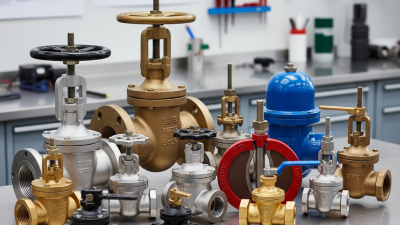
Flow valves regulate, isolate, redirect, or prevent fluid movement inside industrial systems. Their design determines pressure control, maintenance needs, and operating safety. Ball valves provide tight shutoff with a quarter-turn action. Butterfly valves suit large pipelines because they are lighter and require less installation space. Globe valves offer precise throttling, although they can create higher pressure loss. Check valves stop reverse flow without manual operation.

Selection should begin with the medium, temperature, pressure, and flow rate. Water, steam, chemicals, slurry, and compressed air demand different materials and sealing methods. The U.S. Department of Energy reports that compressed-air leaks can waste 20–30% of system output. Poor valve maintenance can contribute to that loss. Small leaks matter.

According to the International Energy Agency, industry consumed about 37% of global final energy in 2022. Efficient flow control can support lower pumping and heating demand. A 2024 industrial valve market report from Grand View Research estimates continued market growth through 2030, driven by water treatment, energy, and process industries. These figures support investment, but they do not replace site testing. A valve that performs well in a catalog may struggle with abrasive solids or unstable pressure. I have seen specifications overlook cycle frequency and access for repair. That shortcut can fail. Global buyers should verify material certificates, pressure testing, leakage class, applicable ISO or API requirements, and local service capacity before ordering.

Key Factors Global Buyers Should Assess Before Choosing Flow Valves

2026 Top Flow Valves for Global Buyers

Choosing a flow valve requires more than comparing catalog prices. Global buyers should match the valve with the fluid, pressure, temperature, and operating cycle. Water, steam, chemicals, and abrasive slurries create different demands. A valve that performs well in clean water may fail quickly in a mining line.

Check the required flow rate and pressure drop before reviewing materials. Confirm body, seat, and seal compatibility with the actual medium. Also examine the actuator, control signal, fail position, and available installation space. Request pressure-test records, material certificates, dimensional drawings, and traceability documents. Regional certification requirements may differ, so verify current requirements with qualified local professionals. This step is often rushed. That can become expensive.

Tips: Ask for real operating data, not estimates. Compare total ownership cost, including energy use, maintenance, spare parts, and delivery time. Review the supplier’s quality controls and technical support history. A clear warranty matters, but response speed matters more. Test reports should identify the valve, test conditions, and acceptance criteria. Do not ignore small details, such as connector standards or replacement seal availability. No choice is perfect. Recheck assumptions before approval.

2026 Top Flow Valves for Global Buyers

Key factors global buyers should assess before choosing flow valves

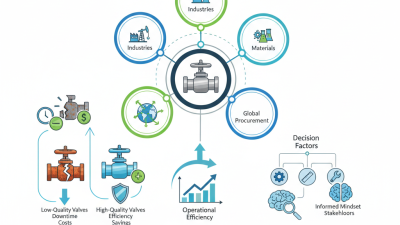
The chart presents a practical evaluation model using a 100-point weighting system. Process compatibility, pressure and temperature capability, flow-control performance, leakage control, material suitability, maintenance requirements, compliance, and delivery considerations should be reviewed together before selecting a valve.

Top Flow Valve Types for Water, Oil, Gas, Chemical, and Process Systems

2026 Top Flow Valves for Global Buyers

Top Flow Valve Types for Water, Oil, Gas, Chemical, and Process Systems

In water systems, gate valves provide clear on-off isolation with low pressure loss. Butterfly valves suit large pipes and limited installation space. Check valves stop reverse flow in pumps, treatment lines, and storage systems. Their compact design helps, but incorrect sizing can create noise, vibration, or poor shutoff.

Oil and gas systems often require ball valves for fast, tight isolation. Globe valves offer more accurate flow regulation, especially around pumps and control stations. Valve materials, pressure ratings, temperature limits, and actuator settings must match the service conditions. A field inspection should confirm pipe size, media behavior, maintenance access, and emergency shutoff needs.

Chemical and process systems demand closer attention to corrosion, concentration, heat, and contamination risks. Diaphragm valves can protect sensitive fluids from internal metal contact. Lined plug valves may handle abrasive or aggressive media when specified correctly. Globe control valves support steady adjustment in heating, dosing, and pressure loops. No valve fits every line. Selection shortcuts still cause costly failures. Engineers should verify compatibility data and operating cycles before approval, because laboratory performance may not reflect real plant conditions.

2026 Valve Technology Trends: Automation, Smart Monitoring, and Efficiency

Global buyers are evaluating flow valves through a wider lens in 2026. Automation now matters as much as pressure rating, material, and connection type. Electric and pneumatic actuators can adjust flow within seconds, reducing manual intervention during unstable operating conditions. Smart positioners add useful signals, including travel deviation, cycle count, and abnormal friction. These details help maintenance teams act before a valve sticks beside a hot pump.

The efficiency case is practical. The U.S. Department of Energy notes that pumping systems can consume roughly 25% of industrial electricity in some facilities. The International Energy Agency’s Energy Efficiency 2023 report also recorded global efficiency improvement near 1% in 2022, showing how difficult savings have become. A well-sized control valve, paired with variable-speed equipment, can reduce throttling losses. But digital features do not guarantee efficiency. Poor tuning still wastes energy.

Field experience suggests starting with measurable data. Compare differential pressure, actuator response time, leakage, and monthly cycle counts. Store readings through open industrial protocols, then protect access using recognized cybersecurity practices such as the NIST Cybersecurity Framework 2.0. Buyers should request calibration records, tested pressure data, and spare-part availability. I remain cautious about “self-diagnosing” claims. Sensors can detect patterns, but technicians still need context from piping conditions, fluid properties, and previous failures. Small installation errors can quietly defeat expensive monitoring systems.

Global Purchasing Guide: Standards, Suppliers, Pricing, and After-Sales Support

Global buyers need more than a flow-valve catalogue. Forecasts from MarketsandMarkets and Fortune Business Insights place the industrial valve market near USD 75–80 billion in the mid-2020s. Their estimates differ, which deserves caution. Demand is strongest in water treatment, energy, chemicals, and manufacturing. A valve that looks inexpensive may create higher costs through leakage, downtime, or difficult maintenance.

Standards should match the destination and service conditions. Buyers commonly request ISO 5208 leakage testing, API 598 inspection, and ASME B16.34 pressure requirements. Confirm material certificates, pressure-class ratings, coating details, and traceability before payment. Supplier audits should examine machining records, test benches, calibration systems, and corrective-action reports. Paperwork is not proof by itself. Witness testing helps.

Pricing depends on body material, size, pressure rating, actuator type, testing scope, and shipping terms. Request comparable quotations with identical specifications. Include spare seals, commissioning support, delivery insurance, and import costs. The uncomfortable truth: published prices rarely reveal total ownership cost. After-sales support should define response times, warranty exclusions, spare-part availability, and technician access. A practical contract can require failure reports within ten working days. Some suppliers promise fast support but lack regional inventory. That weakness matters.

2026 Top Flow Valves for Global Buyers - Global Purchasing Guide: Standards, Suppliers, Pricing, and After-Sales Support

This comparison is designed for international procurement teams evaluating industrial flow valves. Specifications and prices are indicative market ranges for standard configurations and should be confirmed against the final size, pressure class, materials, actuation, testing requirements, destination, and applicable certification.
Valve Type Typical Industrial Applications Common Size Range Typical Pressure Range Common Materials Relevant International Standards Indicative Unit Price (USD) Typical Lead Time Recommended After-Sales Requirements
Floating Ball Valve Water treatment, chemical processing, compressed air, general oil and gas isolation. DN15–DN300
(NPS ½–12)
Class 150–600
PN10–PN100
Carbon steel, stainless steel, duplex stainless steel, PTFE or reinforced-seat materials. ASME B16.34 API 6D ISO 5208 ASME B16.5 $45–$3,500
for standard manual units
4–10 weeks Seat and stem replacement kits, pressure-test records, installation instructions, actuator compatibility data, and remote troubleshooting.
Trunnion-Mounted Ball Valve Transmission pipelines, terminals, natural gas, refined products, and high-pressure process lines. DN100–DN1,200
(NPS 4–48)
Class 300–2,500
PN40–PN420
Carbon steel, low-temperature carbon steel, stainless steel, duplex, nickel-alloy trim. API 6D ISO 14313 ASME B16.34 API 607 $1,500–$45,000+
depending on size and class
10–24 weeks Documented FAT, fire-safe evidence where required, fugitive-emission information, spare sealing systems, field-service support, and repair guidance.
Butterfly Valve Cooling water, HVAC, water distribution, wastewater, fire-water systems, and low-pressure process service. DN50–DN2,400
(NPS 2–96)
PN6–PN25
Class 150–300
Ductile iron, carbon steel, stainless steel, aluminium bronze; EPDM, NBR, or PTFE liners. API 609 ISO 10631 EN 593 EN 1074-2 $35–$12,000+
depending on diameter and actuation
3–8 weeks Seat and disc maintenance instructions, actuator calibration support, replacement liners, corrosion guidance, and service-part availability.
Gate Valve Full-bore isolation in pipelines, water networks, power plants, refineries, and process facilities. DN25–DN1,200
(NPS 1–48)
Class 150–2,500
PN10–PN420
Cast or forged carbon steel, stainless steel, alloy steel, ductile iron; metal or resilient seats. API 600 API 602 API 6D ASME B16.34 $80–$28,000+
depending on size, class, and trim
6–16 weeks Stem and packing kits, bonnet maintenance procedures, torque data, coating information, and warranty coverage for leakage or operation defects.
Globe Valve Throttling and flow regulation for steam, boiler feedwater, cooling systems, and process utilities. DN15–DN500
(NPS ½–20)
Class 150–2,500
PN10–PN420
Carbon steel, stainless steel, alloy steel, bronze, and hard-faced trim materials. BS 1873 ASME B16.34 API 623 IEC 60534 $90–$18,000+
depending on trim and pressure class
6–18 weeks Flow-direction guidance, packing replacement instructions, actuator sizing data, trim inspection criteria, and service training.
Check Valve Backflow prevention in pumps, pipelines, water systems, compressors, and process equipment. DN15–DN1,200
(NPS ½–48)
Class 150–2,500
PN10–PN420
Carbon steel, stainless steel, ductile iron, bronze, duplex stainless steel. API 594 API 6D API 602 ASME B16.34 $40–$15,000+
depending on design and size
4–14 weeks Flow-orientation marking, minimum-flow information, replacement disc or hinge parts, inspection procedures, and vibration troubleshooting.
Plug Valve Slurry, wastewater, chemical, fuel, gas, and applications requiring compact quarter-turn isolation. DN50–DN900
(NPS 2–36)
Class 150–600
PN10–PN100
Carbon steel, stainless steel, ductile iron, nickel alloys; elastomeric, lubricated, or metal seats. API 6D API 599 API 6FA ASME B16.34 $250–$20,000+
depending on lining and size
8–20 weeks Lubrication schedule, seal kits, torque requirements, lining inspection guidance, and technical support for abrasive or corrosive service.
Control Valve Continuous pressure, temperature, level, and flow control in process plants and utility systems. DN25–DN600
(NPS 1–24)
Up to Class 2,500
PN10–PN420
Carbon steel, stainless steel, alloy steel; hardened trim, ceramic trim, or corrosion-resistant alloys. IEC 60534 ISA 75 ASME B16.34 IEC 61508 $800–$35,000+
including standard actuator and positioner
10–24 weeks Valve sizing calculation, characteristic curves, calibration certificates, spare trim, positioner support, commissioning assistance, and preventive-maintenance plans.
Cryogenic Valve Liquefied natural gas, liquid oxygen, liquid nitrogen, hydrogen, and low-temperature storage or transfer. DN15–DN600
(NPS ½–24)
Class 150–600
PN16–PN100
Stainless steel, austenitic alloys, nickel alloys; extended bonnet and low-temperature sealing systems. BS 6364 ISO 28921 API 6D ASME B16.34 $600–$40,000+
depending on size and testing
12–28 weeks Cryogenic test reports, material traceability, cleaning certificates, packing procedures, spare seal kits, and specialist commissioning support.
Sanitary Diaphragm Valve Food and beverage, biotechnology, pharmaceutical, cosmetics, and high-purity fluid systems. DN15–DN200
(NPS ½–8)
Typically PN6–PN16
Vacuum capability depends on design
316L stainless steel, elastomeric diaphragms, PTFE, EPDM, silicone, or other approved hygienic materials. ASME BPE 3-A Sanitary Standards EHEDG guidance ISO 2852 $120–$6,000+
depending on finish and automation
4–12 weeks Surface-finish records, elastomer certificates, cleaning and sterilization limits, diaphragm replacement kits, and hygienic installation guidance.
Purchasing note: Price ranges are indicative 2026 budgeting figures in USD for commonly traded industrial configurations and exclude freight, duties, taxes, automation upgrades, special coatings, inspection services, and project-specific certification. Buyers should request dimensional drawings, pressure-temperature ratings, material certificates, hydrostatic or pneumatic test reports, leakage class, emissions data, and a written warranty before placing an order.
Top