2026 Top Valve Power Types for Global Buyers?
Choosing valve power in 2026 is no longer a simple question of price or motor size. Global buyers now compare electric, pneumatic, hydraulic, manual, and hybrid actuation systems. Each option changes installation effort, response speed, energy use, maintenance, and emergency performance.
“ The control valve is the final control element in most process control loops.” — Dr. Béla G. Lipták, process-control authority
His observation remains practical. A valve power system does more than move a stem. It controls flow, protects equipment, and supports stable production under changing conditions. In a coastal plant, salt may attack electrical enclosures. In a remote pipeline, compressed air may be unavailable. In a food-processing room, cleanability can matter more than peak torque.
Small details matter.
This guide examines the leading valve power types expected to influence global purchasing decisions in 2026. It considers torque demand, control accuracy, fail-safe behavior, operating temperature, available utilities, and lifecycle cost. It also highlights where common buying assumptions become weak. Electric actuation may simplify integration, yet battery backup and enclosure protection need careful review. Pneumatic power can deliver fast movement, but compressors consume energy and require maintenance. Hydraulic systems offer high force, although leaks and service access remain concerns.
No ranking fits every facility. That is the uncomfortable part.
A reliable choice begins with the process, not the product brochure. Buyers should verify duty cycle, media conditions, safety requirements, local service capability, and approved standards before final selection. This practical comparison aims to make those decisions clearer, while admitting that real plants often contain compromises.
Valve Power Types: Definitions, Functions, and Main Categories
2026 Top Valve Power Types for Global Buyers
Valve Power Types: Definitions, Functions, and Main Categories
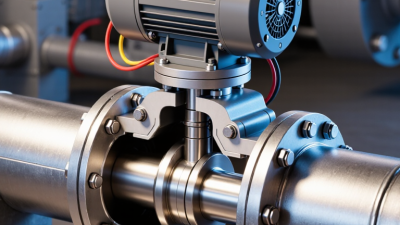
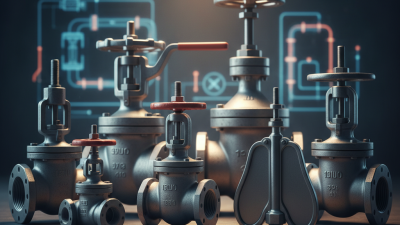
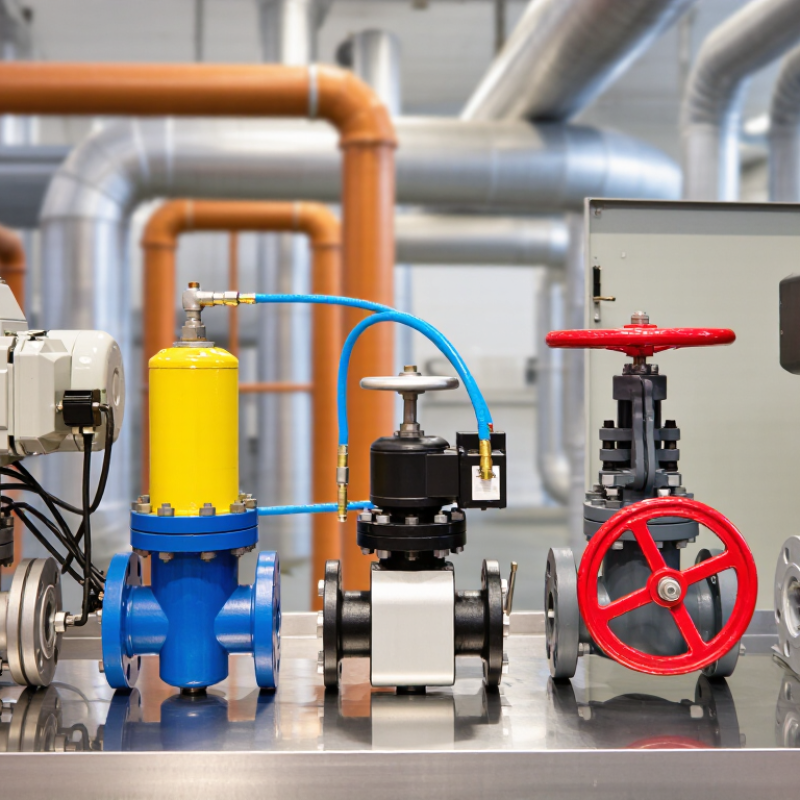
Valve power type describes the energy used to open, close, or position a valve. It directly affects response speed, safety, maintenance, and operating cost. Manual valves use handwheels, levers, or gearboxes. They suit simple lines, isolation points, and locations without power supplies. Pneumatic valves use compressed air for quick, repeatable movement. They are common in processing areas where fast shutdown matters. Electric actuators provide accurate positioning and useful remote control. Hydraulic actuators deliver high force for large valves and demanding pressure systems. Electro-hydraulic units combine electrical signals with hydraulic strength, but they can require more technical support.
Tips: Check the available power first. Confirm torque, pressure, temperature, cycle frequency, and fail-safe needs. A local manual override may be valuable during outages.
Global buyers should also examine enclosure protection, control compatibility, spare-part access, and technician skills. A dusty plant may need better sealing. A cold site may require special materials and heaters. In my experience, buyers sometimes choose electric power for convenience, then discover unstable voltage during commissioning. That mistake is avoidable, but not always. Datasheets help, yet real site conditions can differ. Ask for tested performance data, clear installation instructions, and documented maintenance intervals before approval.
How Electric, Pneumatic, and Hydraulic Valve Actuators Work
2026 Top Valve Power Types for Global Buyers?
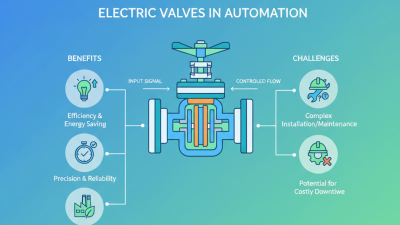
Electric, pneumatic, and hydraulic actuators convert energy into controlled valve movement. Electric actuators use a motor, gearbox, and position controller. They fit precise throttling, frequent positioning, and clean indoor installations. The International Energy Agency reports that electric motor systems consume about 53% of global electricity. This is a system-level figure, not a valve-specific forecast. Still, efficient sizing matters. An oversized motor can waste power during every cycle.
Pneumatic actuators use compressed air to move a diaphragm, piston, or rack-and-pinion mechanism. Air responds quickly. The U.S. Department of Energy states that compressed-air systems may consume around 10% of industrial electricity. Leaks, wet air, and poor pressure settings can quietly increase operating costs. Hydraulic actuators use pressurized fluid to create high torque or linear force. They suit large valves, heavy-duty service, and difficult process conditions. Pumps, hoses, seals, and filtration create additional maintenance points. Buyers often compare purchase prices too early. Field conditions deserve more attention: ambient temperature, cycle frequency, failure position, control accuracy, and available utilities. ISO 5211 mounting dimensions can simplify actuator-to-valve compatibility, but they do not guarantee correct performance. A careful specification should include torque margins, emergency behavior, enclosure protection, and actual energy data. Some assumptions will still need testing during commissioning.
Comparing Valve Power Sources by Performance and Application
2026 Top Valve Power Types for Global Buyers?
Comparing Valve Power Sources by Performance and Application
Valve power selection should begin with operating conditions, not purchase price. Electric actuators suit accurate positioning, repeatable control, and facilities with stable power. They work well in water treatment, process lines, and automated utility systems. Their performance depends on enclosure protection, duty cycle, and heat management. A poorly sized motor may trip during frequent operation.
Pneumatic actuators deliver fast movement and simple control. They fit emergency isolation, packaging lines, and hazardous process areas where compressed air is already available. However, air quality matters. Moisture, pressure drops, and compressor failures can reduce reliability. The hidden cost is often the air system.
Hydraulic actuators provide high torque in compact spaces. They serve large valves, heavy-duty pipelines, and applications requiring strong closing force. Their performance is impressive, but fluid leaks and maintenance deserve serious attention. Manual operation remains practical for remote or rarely adjusted valves. It is slower, yet dependable when power is unavailable. No option wins everywhere. A careful buyer should question assumed advantages, especially when site conditions change seasonally. In real specifications, fail-safe position, response time, maintenance access, and local technical support can matter more than headline torque.
Selecting Valve Power Types for Different Industrial Environments
2026 Top Valve Power Types for Global Buyers
Selecting a valve power type starts with the operating environment, not the purchase price. Electric actuators suit plants with stable power and precise positioning needs. Pneumatic actuators respond quickly and remain practical in wet processing areas. Hydraulic systems deliver high torque for large valves, but they require clean fluid circuits and careful maintenance. Manual operation still works for isolated lines and emergency backup.
Temperature, dust, moisture, and access can change the decision. In a washdown room, sealed electrical enclosures and corrosion-resistant materials matter. In a remote pipeline, pneumatic or hydraulic power may be more dependable than a fragile electrical connection. Hazardous locations also require equipment approved for the site classification and local regulations. Do not assume one power type fits every valve. It rarely does.
Tips:
Check the valve torque at startup, not only during normal movement. Add a safety margin, but avoid excessive sizing. Confirm fail-open or fail-closed action before ordering. Review air quality, voltage stability, cycle frequency, and manual override access. Maintenance teams should test the actuator under real load. A workshop test can miss field problems. Also question the first selection. It may look efficient on paper, yet become expensive when access is poor or spare parts are delayed.
Global Buying Factors: Safety, Standards, Energy, and Maintenance
2026 Top Valve Power Types for Global Buyers?
Global valve buyers now compare electric, pneumatic, hydraulic, and manual actuation by operating conditions. Safety should lead the decision, not purchase price. Electric actuators suit controlled plants with stable power and accurate positioning. Pneumatic units respond quickly, but they require clean, dry air and reliable compressors. Hydraulic systems deliver high torque for large valves, although leaks can increase maintenance risks. Manual valves remain useful for isolation and emergency backup.
Standards must match the installation country and process. Buyers should check pressure ratings, material compatibility, ingress protection, and actuator mounting dimensions. Documents should identify tested performance, inspection methods, and traceable materials. ISO 5211 may guide actuator connections, while other standards can apply to pressure equipment or hazardous areas. Local requirements still matter. A certificate alone does not prove suitability.
Energy use deserves closer attention. An electric actuator may consume little power during steady operation, but frequent cycling changes the calculation. Pneumatic systems can waste energy through compressor losses and air leaks. Maintenance teams should inspect seals, cables, filters, drains, and position feedback. Keep spare parts accessible. Field experience shows that poor access often delays repairs more than technical complexity. I have seen buyers overvalue response speed and overlook service space. That assumption is risky. A practical choice balances safety, standards, energy demand, and the skills available at the site.