Where to Buy the Best Wastewater Valves in China?
Finding the right supplier for wastewater valves in China takes more than comparing prices or browsing polished catalogs. These valves must suit the fluid, operating pressure, temperature, and installation conditions of a specific system. A gate valve selected for a municipal pumping station may not fit an industrial treatment line. Details matter. Buyers should check body and trim materials, connection dimensions, coating requirements, and the supplier’s stated testing procedures before requesting a quotation. Ask for drawings, product data sheets, and traceable inspection records. Clear answers are useful; vague promises are not.
China has manufacturers and trading companies with different strengths, so verify who will actually make and inspect the equipment. Review relevant production experience, quality-control steps, sample test reports, and references for comparable projects. If possible, arrange a factory audit or an independent pre-shipment inspection. Check that claimed certifications are current and apply to the specific product, rather than assuming a logo covers every model. Also confirm lead times, spare-parts support, packaging, and communication arrangements. Small details can cause delays. A low quote may look attractive, but I would pause if it excludes testing, documentation, or clear material specifications. No supplier is the best fit for every project. The following guide explains practical ways to compare options and buy wastewater valves in China with greater confidence.
Understanding Wastewater Valves and Their Applications
Where to Buy the Best Wastewater Valves in China?
Understanding Wastewater Valves and Their Applications
Wastewater valves regulate, isolate, or redirect flow in collection and treatment systems. They work in lift stations, screening channels, sludge lines, and outfalls. The right design depends on solids, pressure, flow direction, and maintenance access. Not glamorous. A valve that handles clean water may clog when wipes, grit, or fibrous debris enter the line.
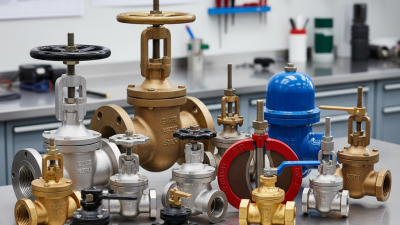
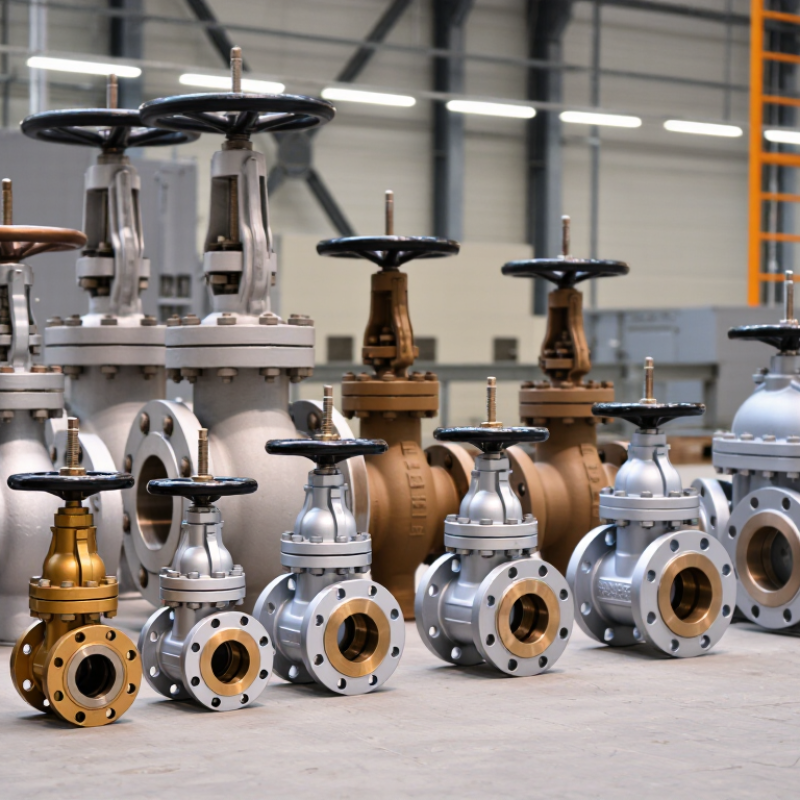
Gate valves are commonly used for isolation, while check valves help limit reverse flow after pumps stop. Knife gate designs can suit sludge or slurry service, though sealing performance varies with the media and installation. Butterfly valves offer compact shutoff in larger pipes. Operators should check body materials, seat compatibility, pressure ratings, and test records. A catalog description is not enough.
For buyers sourcing in China, ask suppliers for drawings, material certificates, pressure-test documentation, and references for comparable wastewater applications. Confirm dimensions and connection standards before ordering; a small mismatch can delay installation. Discuss access for cleaning and replacement, especially where valves sit in wet wells or buried chambers. Messy conditions persist. Solids concentration changes, and maintenance teams may lack ideal access. Even a suitable valve can perform poorly if it is difficult to inspect or operate.
Exploring China’s Main Wastewater Valve Manufacturing Regions
China’s wastewater valve manufacturers are clustered across several industrial regions, each with different strengths. Zhejiang, particularly Wenzhou and Yuhuan, has a dense valve supply chain. Buyers may find gate, butterfly, and check valves alongside machining and casting services. This concentration can shorten sourcing routes. It does not guarantee consistent quality.
Jiangsu is another useful area to explore, especially for suppliers serving industrial water and municipal projects. Some factories can provide larger-diameter equipment and project-specific configurations. Ask for drawings, material specifications, and pressure-test records. A clear answer matters. So does a sample inspection.
Hebei, including the Cangzhou and Botou area, is associated with casting and valve production. It may suit buyers comparing robust bodies for sewage lines, where debris and grit can wear internal parts. Request details on coatings, seat materials, and corrosion protection. Check whether the proposed valve matches the actual wastewater, not just the pipe size. Regional labels can help narrow a search, but factory capability varies. Some catalogs are less precise than they should be, so verify dimensions and test conditions before ordering.
Where to Buy Wastewater Valves in China? Key Manufacturing Regions
Provincial GDP provides economic context for selected valve-manufacturing hubs; it is not a measure of valve production or sales.
Wenzhou in Zhejiang, Suzhou and Wuxi in Jiangsu, Weifang in Shandong, and Cangzhou in Hebei are examples of established industrial areas to explore. Compare suppliers on wastewater-service experience, materials, certifications, and testing—not regional GDP alone.
Source: 2023 provincial statistical communiqués. GDP values are rounded and shown in trillion CNY.
Evaluating Suppliers for Quality, Certification, and Technical Support
Choosing wastewater valves in China starts with matching the design to the service, not comparing quotes alone. Ask suppliers for pressure ratings, flow data, materials, and drawings for the exact valve configuration. Wastewater may carry grit, fibers, and corrosive chemicals. A resilient-seat gate valve or a knife-gate design may suit different solids loads, but the application decides. Details matter.
Review certificates by scope and issuing body, then check that the model, factory, and material records match the quoted product. Request inspection plans, hydrostatic or seat-leakage test reports, and batch traceability where relevant. A certificate image is not enough. Confirm applicable standards against project specifications, since requirements vary by market and operating conditions. If possible, arrange an independent inspection before shipment.
Technical support is equally important. Ask who reviews sizing, actuator torque, installation orientation, and maintenance access. A capable supplier should explain limitations clearly and return marked-up drawings, not just send a catalogue. Test response quality with a practical question about seal replacement or coating damage. Get spare-part lead times and commissioning assistance in writing. Even careful checks leave some uncertainty, so include inspection points in the purchase plan.
Comparing Quotes, Inspection Options, and After-Sales Service
When comparing wastewater valve quotes from Chinese suppliers, put identical specifications in every request: valve type, DN, pressure rating, body material, seat material, coating, actuator, and delivery terms. Otherwise, a cheaper quote may simply omit items. Small details matter. Ask for a line-by-line price, delivery schedule, and the cost of spare seals. UN-Water’s 2017 World Water Development Report estimated that over 80% of wastewater worldwide was discharged without adequate treatment. That figure reinforces why dependable isolation and corrosion resistance matter in treatment systems; it does not identify a preferred supplier.
Inspection should match the risk and order size. Request material certificates, dimensional records, pressure-test results, and clear photographs of the nameplates and finished internals. For critical orders, agree on a factory inspection before production ends, and define acceptance criteria in writing. The U.S. EPA’s 2022 Clean Watersheds Needs Survey estimated $630.1 billion in wastewater and stormwater infrastructure needs over 20 years. It is U.S.-specific, but it shows the scale of investment tied to reliable components. Confirm who pays for rejected goods, how defects are documented, and whether replacement parts are available. Ask for response times and remote troubleshooting in writing. A polished brochure is not after-sales service. I would still verify one detail twice: warranty coverage can sound broad until freight, labor, or seals are excluded.