7 Tips for Buying the Right Tech Valve?
Choosing the right tech valve is rarely as simple as comparing prices and connection sizes. A valve may look suitable on a catalog page, yet fail when exposed to high pressure, corrosive media, or constant cycling. The wrong material can cause leakage, contamination, or premature shutdowns. Small details matter.
This guide presents seven practical tips for evaluating a tech valve with greater confidence. It considers pressure ratings, temperature limits, flow requirements, sealing materials, actuation methods, and installation conditions. These factors should match the equipment’s actual operating environment, not an idealized specification sheet. A stainless-steel valve, for example, may resist moisture well but still perform poorly with certain chemicals. That point is easy to overlook.
Reliable purchasing also requires evidence. Check technical data, testing records, applicable industry standards, warranty terms, and supplier traceability. Speak with qualified engineers when the application involves high pressure, hazardous fluids, or demanding process control. Experienced technicians often notice warning signs that product descriptions hide. They may ask about cycling frequency, maintenance access, or pressure drops across the line.
No selection method is perfect. Even experienced buyers can miss changing site conditions or underestimate future capacity needs. A careful review reduces that risk. The following seven tips offer a practical framework for comparing products, questioning supplier claims, and avoiding expensive assumptions before the tech valve reaches the installation site. Cost matters, but dependable performance matters more over time.
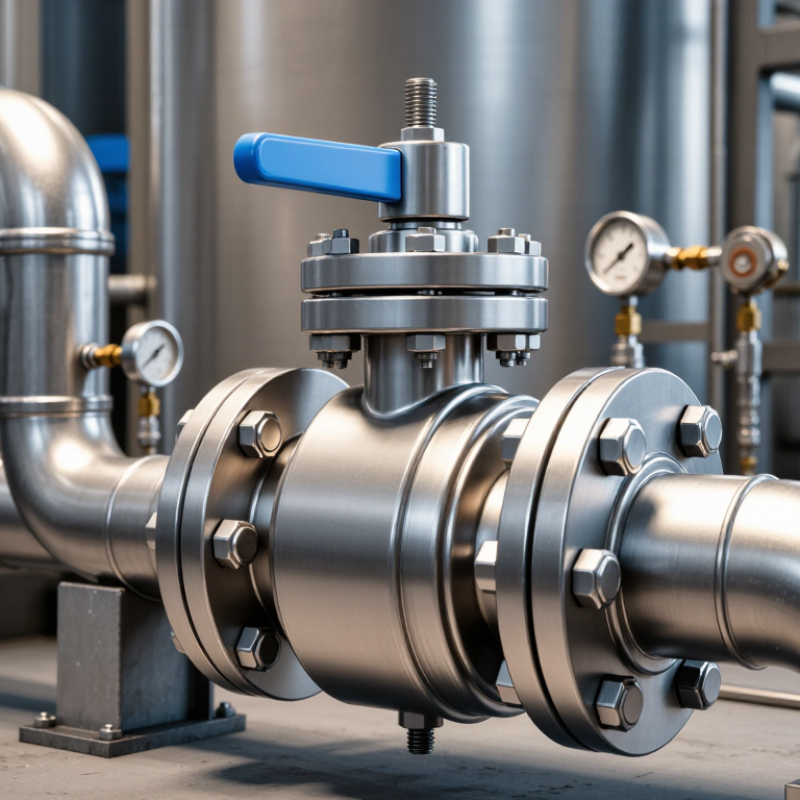
Understanding Tech Valve Types and Their Core Functions
Understanding Tech Valve Types and Their Core Functions
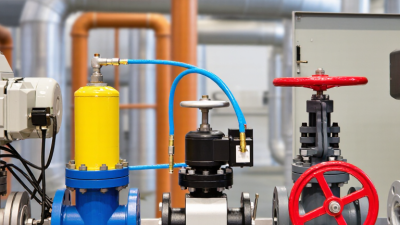
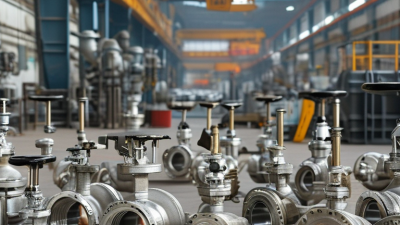
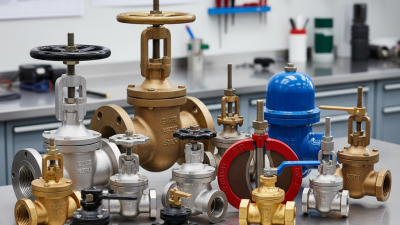
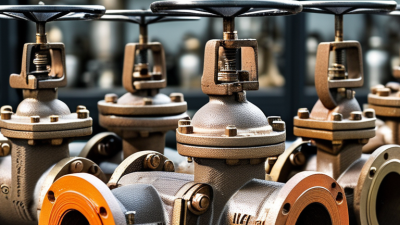
Choosing the right tech valve starts with its job in the system. Ball valves provide fast, tight shutoff, while gate valves suit fully open or closed pipelines. Globe valves offer more precise flow control, although they may create higher pressure loss. Butterfly valves are lighter and practical for large pipes. Check valves stop reverse flow without manual operation.
Tips: Match the valve to the medium, pressure, temperature, and pipe size. A valve handling clean water may fail quickly with abrasive slurry. Confirm the body and seal materials before ordering. Read the flow coefficient, not only the connection size. A small valve can still restrict a high-volume process.
Tips: Decide whether you need isolation, throttling, pressure regulation, or automatic control. Needle valves support fine adjustment, while pressure-control valves respond to changing line conditions. Solenoid valves work well for remote on-off control, but their electrical requirements need careful checking. I once saw a technically correct valve perform poorly because the actuator was undersized.
Tips: Inspect maintenance access and replacement requirements. A compact installation may look efficient, yet it can make seal replacement difficult. Check the installation direction, especially for check and control valves. Request test records, material certificates, and pressure ratings from a qualified supplier. Do not rely on appearance alone. Field conditions often expose details that a catalog misses.
Defining System Requirements Before Choosing a Valve
7 Tips for Buying the Right Tech Valve?
A reliable valve choice starts with clear system requirements. Define the fluid, operating pressure, temperature, and expected flow range. Measure it twice. Do not guess. A water line and a chemical line may require completely different materials. Check fluid compatibility with every wetted component, including seals and body surfaces. Corrosion often begins where specifications were treated as assumptions.
Consider the connection size, pressure class, and available installation space. A compact valve may fit the drawing but fail during maintenance. Leave room for tools, inspection, and actuator movement. Select manual, electric, or pneumatic actuation according to control frequency and site conditions. Record normal and worst-case operating points. Peak pressure can appear during startup, shutdown, or sudden flow changes. Ignoring those moments is a common engineering mistake.
Review leakage requirements, response time, cleaning needs, and replacement access before ordering. Confirm that the valve supports the required flow without creating excessive pressure loss. Ask for test records, material certificates, and clear operating limits from the supplier. Experienced technicians should also inspect the proposed installation, because diagrams rarely show vibration, heat, or awkward access. I have seen a technically correct valve underperform because its actuator lacked enough clearance. Recheck the specification with operations and maintenance staff. Their practical concerns may challenge the original design, and that is useful.
Checking Quality, Safety Standards, Maintenance, and Total Cost
Tip 1: Check the valve’s quality before comparing prices. Inspect the body, stem, seals, and connection surfaces for clean finishing. Ask for material certificates, pressure-test records, and traceable inspection documents. A polished surface alone proves little.
Tip 2: Match safety standards to the actual service. Confirm pressure, temperature, fluid compatibility, and required failure position. Relevant codes may differ by location and application, so independent certification matters. Do not accept vague compliance claims. Review the certificate carefully.
Tip 3: Plan maintenance before installation. Choose a valve that allows inspection, seal replacement, and safe isolation. Check whether spare parts will remain available during its expected service life. Leave enough space around the valve for tools and technicians. Small access mistakes become expensive later.
Tip 4: Calculate total cost, not only purchase price. Include installation, testing, energy loss, replacement parts, labor, and possible production downtime. A cheaper valve may require frequent adjustment or earlier replacement. That calculation is easy to underestimate. Use operating records when available, and challenge optimistic assumptions.
Tip 5: Request a practical maintenance schedule from the supplier. It should state inspection intervals, torque requirements, lubrication limits, and warning signs. Field conditions can change quickly. Dust, vibration, and corrosive fluids may shorten service intervals. No checklist is perfect, so review performance after the first operating cycle.