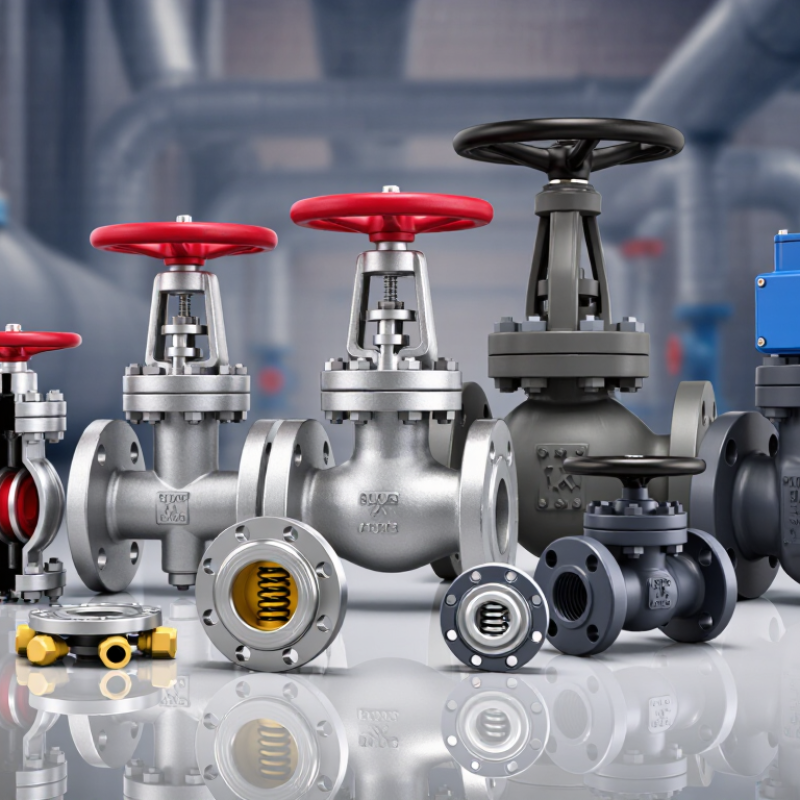
What Are the Top Industrial Diaphragm Valves in 2026?

Industrial diaphragm valves remain a practical choice when process isolation, cleanability, and reliable shutoff matter. In 2026, the “top” option is not necessarily the newest or most expensive model. It is the valve that suits the fluid, operating conditions, and maintenance resources of a specific plant. A valve handling abrasive slurry may need different diaphragm materials and body construction from one used on a clean water line. Small details matter.

This guide compares leading industrial diaphragm valves by the factors buyers can verify: body and diaphragm materials, pressure and temperature limits, connection style, actuation options, and service requirements. It also considers how design affects inspection and replacement. A diaphragm is a wear component, so access to spares and clear maintenance instructions can influence lifetime cost as much as the purchase price. That matters.

Specifications deserve close reading. Published ratings may depend on the exact configuration, and performance can change with fluid chemistry, temperature, or cycling frequency. A shortlist based only on catalog claims can miss those realities. The comparison therefore treats product information as a starting point, not a substitute for checking compatibility with the process and confirming details with the manufacturer. No ranking fits every installation. Some trade-offs remain, especially between material compatibility, operating life, and budget. The aim is to help engineers and buyers ask sharper questions before choosing a valve for a real line.

What Are the Top Industrial Diaphragm Valves in 2026?

Industrial Diaphragm Valves: Definition and Core Components

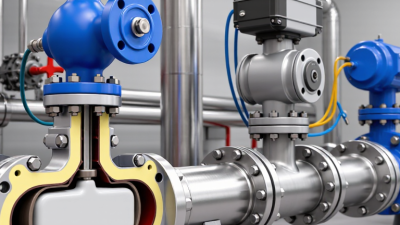
An industrial diaphragm valve regulates or isolates flow with a flexible diaphragm that moves against a seat inside the valve body. The diaphragm separates the process fluid from the stem and bonnet, reducing the number of crevices where residue can collect. That can help in services where cleanliness or corrosion resistance matters. It is not a universal solution. Fluid chemistry, temperature, pressure, and cycling frequency all affect diaphragm life.

The core components are the body, diaphragm, compressor, stem, bonnet, and an operating mechanism. The body guides the flow; common designs use a raised weir or a more open, straight-through passage. The compressor presses the diaphragm onto the seat, while the stem transfers motion from a handwheel or actuator. The bonnet protects these moving parts. Simple arrangement, but material choice matters. A rubber or elastomer diaphragm may suit one duty, while a fluoropolymer lining may be preferred for another; neither is suitable for every condition. In practice, a tidy diagram can hide a real maintenance issue: diaphragms fatigue, swell, or crack over time. Inspection intervals should reflect actual service, not just the valve’s nameplate.

What Are the Top Industrial Diaphragm Valves in 2026?

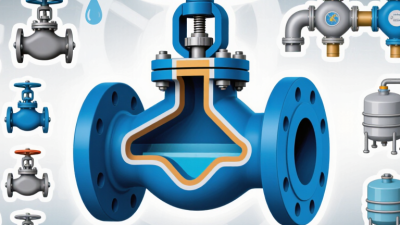
Diaphragm valves use a flexible diaphragm to regulate flow and isolate the operating mechanism from the process fluid. The chart compares typical upper continuous-use temperatures for common diaphragm material families.

These approximate material-family limits are not valve ratings. Actual operating limits depend on the specific compound, diaphragm construction, pressure, and process conditions; consult the valve manufacturer’s specifications.

How Diaphragm Valves Control Flow in Industrial Systems

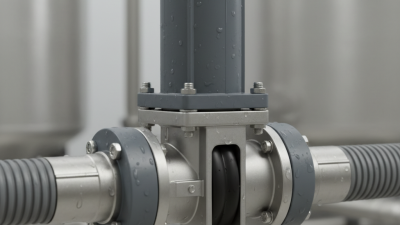
An industrial diaphragm valve controls flow by pressing a flexible membrane against a weir or seat. A handwheel or actuator lifts the membrane to open the passage and lowers it to restrict flow. The process fluid stays separated from the stem and bonnet, which can reduce contamination and help protect moving parts. Small movements matter. Diaphragm valves suit corrosive, abrasive, or hygienic services, but membrane material and pressure limits must match the process.

Flow control affects the whole system, not just the valve. The U.S. Department of Energy’s Improving Pumping System Performance: A Sourcebook for Industry reports that pumping systems use nearly 20% of global electricity and can account for 25–50% of energy use in some industrial operations. That figure describes pumping systems, not savings from a valve; correct sizing and stable control still help avoid unnecessary throttling. Check the curve. A valve’s flow characteristic, actuator response, and pressure drop should be checked against real operating conditions.

Tips: Confirm chemical compatibility and temperature limits before installation. Inspect the diaphragm for wear, especially after frequent cycling. A small but important caveat: oversizing can make fine adjustment difficult.

Main Diaphragm Valve Types and Their Applications

Industrial diaphragm valves are commonly grouped by flow-path design. Weir-type valves have a raised central section that the diaphragm presses against to stop flow. Their compact shutoff area and relatively low fluid retention make them useful in chemical processing, water treatment, and hygienic service. A smooth, drainable design matters when product residue can cause contamination.

Straight-through valves have a nearly unobstructed passage. This makes them a practical choice for viscous fluids, slurries, and services where suspended solids could collect around a weir. They may need more room and a longer diaphragm stroke. Not always ideal. Tank-bottom diaphragm valves are mounted at a vessel’s lowest outlet to support draining and reduce pooled liquid. Vessel shape and outlet position still affect how completely a tank empties.

Selection depends on more than valve type. The diaphragm material must tolerate the process fluid, temperature, and operating pressure; a mismatch can lead to swelling, cracking, or early failure. Operators should also check cleaning requirements, cycle frequency, and available maintenance access. A valve that looks suitable on a drawing may behave differently with a thick, abrasive slurry. That detail is easy to underestimate. Verify the actual process conditions before specifying a design.

What Are the Top Industrial Diaphragm Valves in 2026? - Main Diaphragm Valve Types and Their Applications

Valve Type Design and Flow Path Typical Applications Key Advantages Selection Considerations
Weir-Type Diaphragm Valve A raised weir in the valve body supports the diaphragm, which presses onto the weir to control or stop flow. Water treatment, chemical processing, pharmaceutical utilities, and general-purpose corrosive or clean-fluid services. Requires relatively short diaphragm travel and provides positive shutoff when correctly selected and maintained. The weir restricts the flow path, so check flow capacity and suitability for fluids containing large solids or heavy slurries.
Straight-Through (Full-Bore) Diaphragm Valve The body has a comparatively unobstructed, straight flow path; the diaphragm moves down to close the passage. Slurries, viscous fluids, fluids with suspended solids, and services where minimizing flow restriction is important. The open passage can handle solids more readily and typically offers lower flow resistance than a weir-style body of comparable size. The diaphragm may need greater travel and can be exposed to more flexing; confirm pressure, flow, and diaphragm-life requirements.
Lined-Body Diaphragm Valve A weir or straight-through body is protected by a corrosion-resistant lining, with the diaphragm providing the closing element. Aggressive chemical transfer, corrosive process lines, and selected wastewater or chemical-treatment duties. The lining can isolate the body material from the process fluid and help reduce corrosion of wetted body surfaces. Verify chemical compatibility of both the lining and diaphragm at the actual concentration and temperature; inspect limits for vacuum, pressure, and thermal cycling.
Sanitary Diaphragm Valve A hygienic body and diaphragm arrangement is designed to reduce product traps and support cleaning; weir-style designs are common. Food and beverage production, dairy processing, biopharmaceutical manufacturing, and clean utility systems. The diaphragm separates the process fluid from the operating mechanism, and hygienic designs can support clean-in-place and sterilize-in-place procedures. Check surface finish, drainage, connection standard, elastomer compatibility, and documented cleaning or sterilization limits for the specific application.
High-Purity Diaphragm Valve A precision-finished valve designed to limit contamination and fluid retention; body geometry and materials depend on the process. High-purity water, semiconductor process fluids, and critical pharmaceutical or biotechnology fluid systems. Can offer controlled wetted-surface quality and a diaphragm barrier between the fluid and valve actuator components. Specify required cleanliness, surface finish, material traceability, connection type, and validation documentation; confirm the valve meets the system’s purity requirements.

Selection note: Valve performance depends on body configuration, diaphragm material, process-fluid compatibility, operating temperature and pressure, and maintenance conditions. Specialized designs can overlap—for example, a sanitary or lined valve may also use a weir or straight-through body.

Key Criteria for Ranking Industrial Diaphragm Valves in 2026

What Are the Top Industrial Diaphragm Valves in 2026?

Key Criteria for Ranking Industrial Diaphragm Valves in 2026

A useful 2026 ranking should begin with the process, not a sales claim. Check the fluid, operating temperature, pressure range, and cleaning routine. The wetted body and diaphragm materials must suit the media. A mismatch can cause swelling, leakage, or early wear. Look closely at the diaphragm’s expected service life and how easily it can be replaced. Downtime matters.

Performance data should be specific. Compare shutoff reliability, flow capacity, pressure drop, and cycle life under relevant conditions. For corrosive or abrasive service, ask how testing reflects the actual fluid; generic figures may not tell the whole story. Also assess connection options, actuator compatibility, inspection access, and spare-part availability. A valve that performs well on paper may be awkward to maintain in a cramped line. Rankings should weigh documented test methods and clear technical support, while noting that real-world results still depend on installation and operation.

Leading Industrial Diaphragm Valve Options and Their Differences

What Are the Top Industrial Diaphragm Valves in 2026?

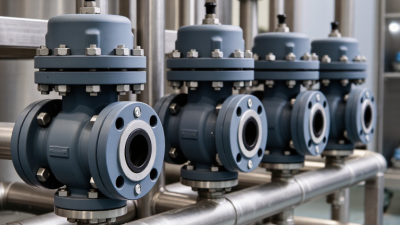
Industrial diaphragm valves are best compared by operating duty, not by a universal ranking. Weir-pattern models suit clean liquids and moderate throttling. Straight-through designs offer less flow restriction for slurries or viscous fluids. High-purity versions prioritize smooth wetted surfaces and cleanability. Lined bodies may resist corrosive media, but compatibility depends on both the lining and diaphragm material.

Tips: Check the fluid, temperature, pressure, and cleaning method against the valve’s published limits. Confirm the diaphragm material, too. A suitable body cannot compensate for an incompatible diaphragm. That detail is easy to miss.

Selection involves trade-offs. A weir valve may control flow well but retain some material near the weir. A straight-through valve can pass solids more easily, though it may not offer the same throttling behavior. For frequent cycling, compare diaphragm life and replacement access, not just purchase cost. In practice, operating data can be incomplete, so verify assumptions with a sample duty cycle before specifying a valve.

Top